Trump turns 'sober' on grim outlook as advisers deliver 'increasingly blunt' warnings: report
Key Takeaways
- •A Washington Post report says President privately recognizes the political trouble facing him and his party ahead of the Nov. 3 midterms, even as he publicly dismisses negative polling as fake.
- •Election Day will determine control of the House and Senate, with all 435 House seats and roughly one-third of Senate seats on the ballot.
- •Trump has pledged to stump for candidates and approved roughly $140 million in spending through aligned super PACs after advisers grew increasingly blunt about the GOP's weak electoral standing.
- •The president faces his lowest approval rating of his second term amid his deeply unpopular war with Iran, rising oil prices, and failure to meaningfully lower prices as he pledged in 2024.
- •Since World War II, the president's party has lost House seats in nearly every midterm election, with 1998 and 2002 the only exceptions.
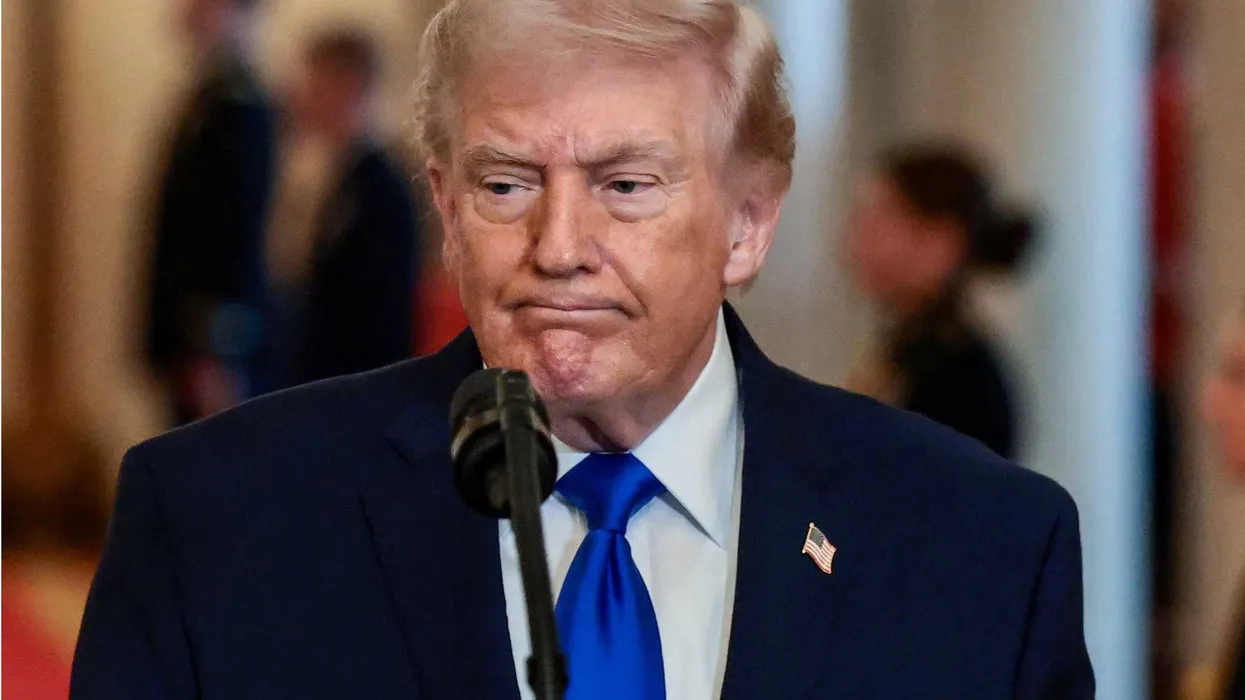
President Donald Trump has projected confidence heading into the midterm elections, but a report in The Washington Post indicates that the president is privately well aware of the political trouble facing him and his party in November. The stakes are structural: Election Day on Nov. 3 will determine control of the House and Senate with all 435 House seats and roughly a third of the Senate on the ballot, setting the legislative environment for the remainder of Trump’s term.
“Trump in recent weeks has become sober about the gravity of the political situation, listening intently as he is presented with often discouraging polling, according to four people with knowledge of his recent comments,” the Post reports. “… That shift has prompted him to take more action on the midterms — pledging to stump for candidates and opening his war chest in competitive races, for example — although it remains to be seen how effectively Republicans can gain ground over the next six weeks.”
“He definitely feels like some of his decisions have led to the dynamics where he’s unpopular and things aren’t looking great for the midterms,” one person in Trump’s circle said, speaking anonymously to the newspaper.
In public, Trump dismisses unfavorable polling, according to the report, instead “fastening his attention on surveys that present him in an artificially positive light. He often says that negative surveys are fake and not to be believed.”
For months, Trump publicly “expressed a lack of concern about political conditions,” remarking that the party in power typically loses midterms regardless of other factors, and insisting that voters’ economic frustration would not affect his decision-making on the war. History lends that expectation some support: in midterm elections since World War II, the president’s party has lost House seats at nearly every turn, with 1998 and 2002 the only exceptions.
“I don’t think about Americans’ financial situation. I don’t think about anybody. I think about one thing,” Trump said in May, when asked whether voters’ concerns would push him to accept a deal to end the war he started with Iran. “We cannot let Iran have a nuclear weapon, that’s all. That’s the only thing that motivates me.”
“Publicly, Trump continues to insist that there’s no reason for voters to be disillusioned with him,” the Post reported. At a recent rally, he acknowledged that Americans are paying higher gas prices because of his unilateral war with Iran, but said the hit to voters’ bank accounts is justified.
In recent weeks, however, Trump has increasingly come to terms with his team’s polling, which reflects the weak standing facing him and Republicans with voters in November, according to his advisers. They told the Post they have grown “increasingly blunt” with him, and say he now appears to be listening to their assessments of the GOP’s harsh electoral reality.
That reality has not always translated into a good mood for the president, the report adds, particularly as he confronts his lowest approval rating of his second term amid his deeply unpopular war with Iran and the rising oil prices that have come with it. Voters have also shown little patience for his various construction projects in Washington, undertaken “to cement his legacy,” according to the report. Discontent shows no sign of fading as Trump has failed to “meaningfully lower prices, which he pledged to do while he campaigned in 2024.”
“The blunt talk from his team coincided with Trump’s approval of spending plans from his aligned super PACs, disbursements that now total roughly $140 million,” the Post reports. “Republican candidates and operatives had grown concerned in recent months that Trump was sitting on his large reserve of campaign cash.” Under federal rules, super PACs can raise unlimited sums from individuals, corporations and unions, but must operate independently of the campaigns they support — a structure that took shape after the Supreme Court’s 2010 Citizens United ruling.

