Trump's 'high and petty' press ban already backfiring, ex-federal prosecutor Harry Litman says
Key Takeaways
- •CNN, MS NOW, and Politico have filed a lawsuit challenging their exclusion from White House access under President Trump.
- •The remaining press pool refused to fill the vacated slots, suspending a shared coverage arrangement that has operated since the Eisenhower administration.
- •Because the pool system was suspended, Trump went roughly a day without proper recordings of his official events.
- •Litman argued the collective press response undermines Trump's reliance on media attention, a factor he views as especially consequential amid voter discontent over the economy.
- •Litman identified two likely resolution paths: the outcome of the lawsuit or the White House voluntarily restoring the outlets' access.
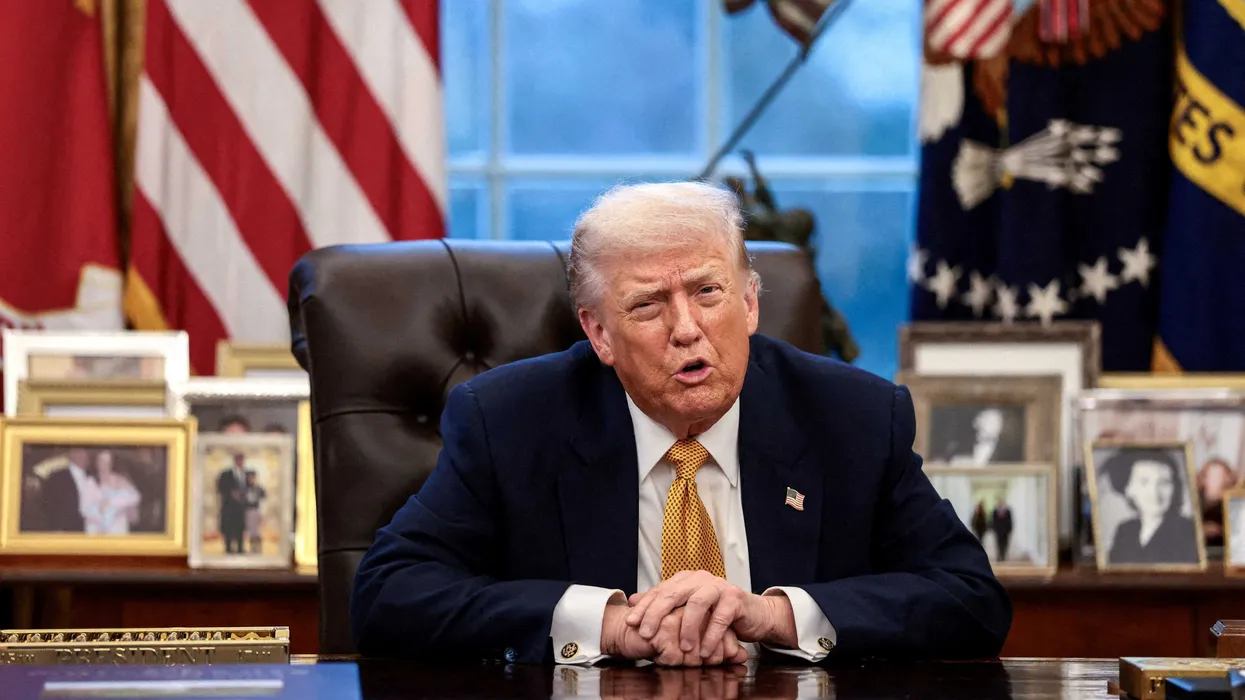
President Donald Trump's "high and petty" exclusion of CNN, MS NOW (formerly MSNBC), and Politico from the White House is already poised to blow up in his face, former federal prosecutor Harry Litman argued in a Tuesday post on his Talking Feds Substack — and the press is fighting back in ways he predicted would only make life harder for the president.
The three barred outlets have filed a lawsuit. Beyond the legal challenge, Litman noted, the rest of the press pool refused to fill the vacant slots, "suspending a shared arrangement that has put an independent camera on every president since Eisenhower." Under the pool system, a small rotating group of journalists covers presidential events on behalf of the wider press corps and shares the resulting video and photos with outlets that were not in the room, ensuring a president's official activities are documented regardless of which outlets are present that day. The result, he wrote, was that Trump had no proper recording of his official events over the past day.
"It was a collective flexing of muscle, and twenty months of Trump 2.0 have taught us that this—institutions acting together, refusing to be picked off one at a time—is exactly the right way to push back against a tyrant," Litman wrote.
That response, he argued, "hit Trump where it hurts him most, cutting off the oxygen of the public's attention to his every move." Trump, in his telling, thrives on press attention and uses it to control the narrative — an advantage that matters especially during a period when voters are turning on him over the economy.
If Trump does not back down quickly, Litman wrote, "the collective action figures to hasten the collapse of Trump's order even faster than the lawsuit will. And if the courts do not quickly reverse him, he will likely find a way to declare victory and undo it himself." He added that observers can "take heart" in the vigor shown by the press and the courts, which he described as among the most stalwart institutions resisting Trump's authoritarian moves throughout the presidency.
Ultimately, Litman concluded, "Thanks largely to the courts and the collective action of the media, we are not yet at the point where everything comes apart; and I believe we will not get there ... But a democracy can be eroded and pushed toward authoritarianism, with current and lasting consequences."
The upshot: Trump needs to feel the consequences of his move — and fast. The near-term markers to watch are the pace of the lawsuit and whether the White House restores the outlets' access on its own — the two resolution paths Litman sketched.

