Trump's Abuses of Power May Outlast His Presidency, Experts Warn
Key Takeaways
- •A Washington Post report explores whether presidential powers expanded under Donald Trump will be curtailed through reform or simply inherited by a future administration.
- •Rahm Emanuel released an ethics proposal that would ban stock trading and prediction-market betting, require blind trusts for individuals worth over $1 million, and prohibit accepting foreign gifts.
- •Sen. Chris Murphy introduced the No Political Enemies Act, which would bar executive branch officials from prosecuting or punishing individuals or groups for their speech.
- •Every Democratic reform proposal faces a structural hurdle, since ordinary legislation must pass both chambers of Congress and receive a president's signature to become law.
- •Brennan Center president Michael Waldman warned that Democrats keeping expanded powers for themselves would be a major mistake, arguing everyone benefits when the rule of law applies across government.
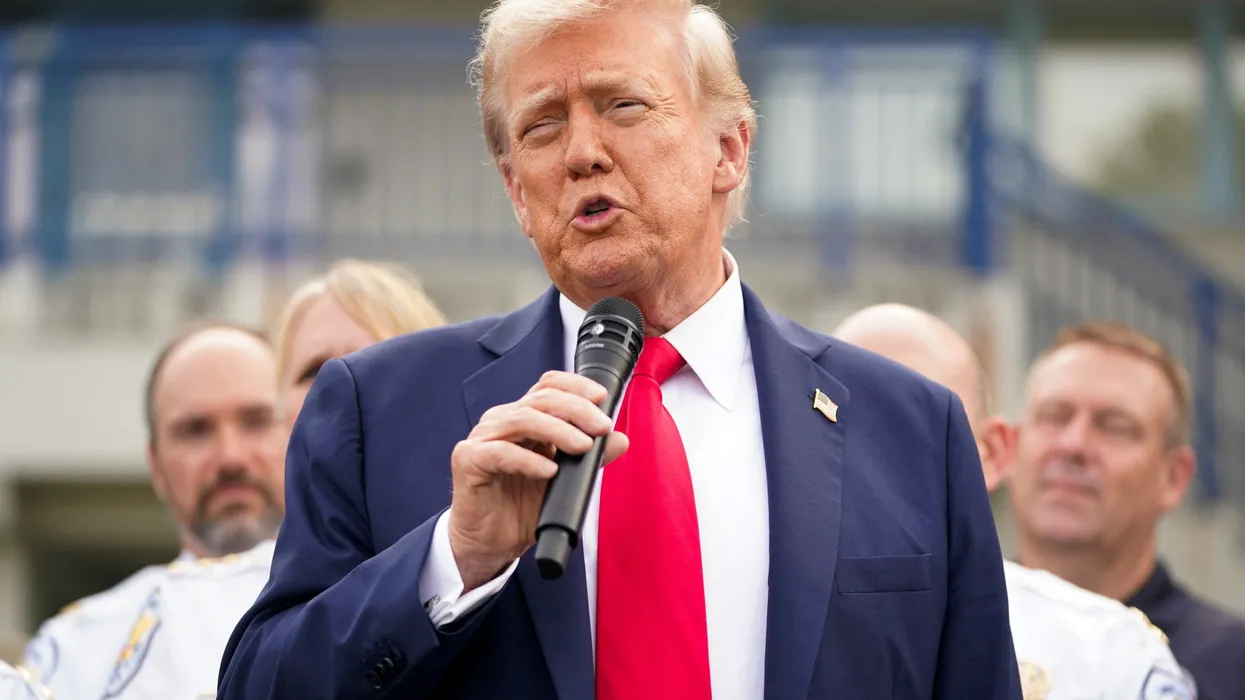
President Donald Trump's abuses of power are likely to outlast his presidency, according to some experts — and the reason, they suggest, is that Democrats may want to keep those expanded powers for themselves.
The assessment comes from reporting by The Washington Post's Naftali Bendavid, published Sunday, examining whether the current administration's conduct will produce lasting reforms — or whether those powers will simply be inherited by a future White House.
Tiffany Justice, executive vice president of the conservative group Heritage Action, pointed to that history to dismiss talk of post-Trump reforms, saying the president has done nothing Democratic presidents have not done and predicting that Democrats' plans will go nowhere.
"They are full of baloney — I don't think Democrats would ever limit the power of a Democratic president. The idea of Democrats saving democracy, it's nonsense," Justice told Bendavid on Sunday.
Michael Waldman, president of the Brennan Center for Justice at New York University, a liberal-leaning think tank, expressed a similar concern in his remarks to The Washington Post.
"Throughout American history, reform follows scandal. It does not always follow scandal, but that's when it happens. I think there will be a real hunger, I hope from both parties, to write into law some of the protections that were assumed to be there before," Waldman said.
"It will be very tempting for Democrats to say, 'Oh, you think we are going to limit our abuse of the Justice Department? We don't want to be suckers),'" Waldman argued. "But I think that would be big mistake. Everybody benefits when the rule of law is in play across the government."
According to Bendavid, Democrats have put forward a range of measures they say would curb future corrupt presidents, although none of them will have a plausible chance of being passed unless a Democrat is also in the White House. The caveat points to the structural hurdle every proposal faces: as standard legislation, each would need to pass both chambers of Congress and win a president's signature — meaning the party seeking to constrain the powers of the presidency would first have to hold it.
"Rahm Emanuel, the former Chicago mayor and potential Democratic presidential candidate, recently released an ethics proposal for all three branches of government that would ban trading stocks and betting in prediction markets, require a blind trust for anyone worth more than $1 million, and forbid individuals from accepting foreign gifts," Bendavid wrote. "Trump has traded millions of dollars worth of individual stocks since taking office and famously accepted the gift of an aircraft from the Qatari government." A blind trust is an arrangement in which an independent manager controls investments, so an officeholder neither knows nor directs how the assets are bought or sold.
Bendavid also reported: "And Sen. Chris Murphy (D-Connecticut) has introduced a No Political Enemies Act, forbidding executive branch officials from prosecuting or punishing individuals or groups for their speech, something Trump has done relatively openly."
Separately, earlier in October, New Republic deputy editor Jason Linkins argued that Trump's recent flurry of advertisements reflects his growing political desperation as Americans become disenchanted with his presidency, including its corruption.
"I also think, if anything, this fusillade of propaganda will likely backfire," Linkins argued. "These ads haven't generated good news for Trump; very few people outside of the administration and its obvious sycophants have tried to defend them. Moreover, the media seems resistant to give this story the 'both sides' treatment. As with Trump's 25-minute prime-time ramble last July, the political press seems wise to what's going on."
Of that prime-time address, New Republic editor Michael Tomasky said the overall reaction to the president's attempt to "shine us on" "tells us that that power he had over people and institutions a year or 15 months ago has evanesced."
"I think these PSAs do little else than advertise that fact," Linkins added.

