Fox News Analyst Juan Williams Calls Out Trump's Poor Attempt at an 'October Surprise'
Key Takeaways
- •Juan Williams argues President Trump is attempting to stage an 'October Surprise' to rally his supporters before the November 3 midterm elections, in which every House seat and about a third of the Senate are at stake.
- •Trump pulled White House press passes from reporters for three media companies, announcing the move on Truth Social and labeling the targeted outlets 'Fake News' organizations.
- •Williams pointed to Pentagon efforts to conceal the true number of U.S. casualties in Iran and Trump's false claim of 107 million views for his midterm convention, when actual viewership was 2.5 million compared with more than 25 million for a competing NFL broadcast.
- •Trump told Reuters the United States 'shouldn't even have an election,' a statement Williams highlighted amid ongoing conspiracy theories about potential election manipulation.
- •Williams warns that Republicans could seek to delay or block the seating of members from closely contested districts using fraud allegations, with Trump likely to blame 'fake news' coverage for any electoral losses.
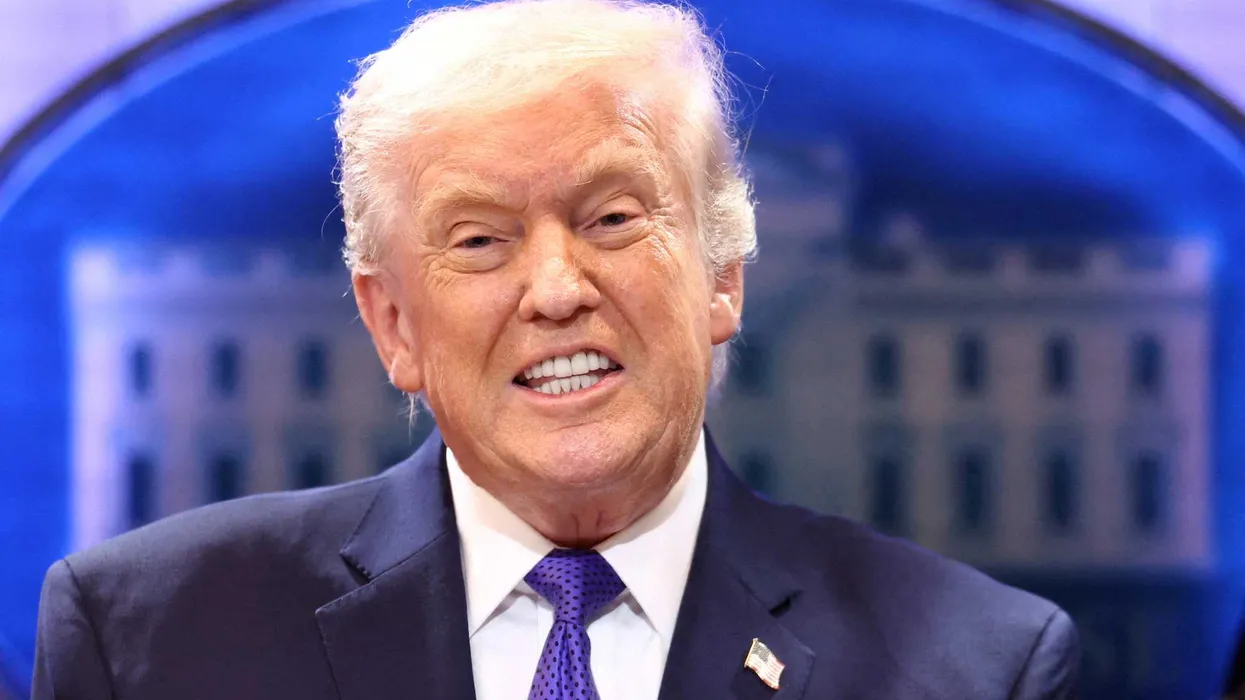
President Donald Trump is desperate to flip the script ahead of an impending midterm wipeout for the GOP, and according to longtime Fox News analyst Juan Williams, the president's latest moves amount to a poor attempt at manufacturing an "October Surprise." Midterm elections, held halfway through a president's term, have historically often gone badly for the party holding the White House, and this year's contests on Tuesday, November 3, will decide every House seat and roughly a third of the Senate.
Williams is a reporter and commentator best known for his many years as a political analyst at Fox News. As one of the rare liberal voices at the network, he has been far more willing than many of his colleagues to speak out against Trump and other figures in the modern Republican Party, including in his recurring columns for The Hill.
In his latest piece for the outlet, Williams recounted the president's renewed war against the free press, including the ban of three networks from entering the White House and the disastrous launch of his "Trump TV" livestreaming YouTube channel. Williams argued that these developments, along with Trump's efforts to blame news outlets for bad polling, amount to him "lashing out" and "getting even" with the press, while attempting to prop up an "October Surprise" to reinvigorate his followers. White House press credentials have traditionally been shared among reporters from a wide range of outlets, and disputes over access between administrations and news organizations have periodically flared.
"Trump wants to energize his voters by demonizing the press. He recently pulled White House passes from reporters for three media companies," Williams wrote. "He announced the punishment on Truth Social and identified the targeted outlets as 'Fake News' organizations."
The "October surprise" is a recurring phenomenon in U.S. elections, especially presidential races, in which a new development in the last month before Election Day changes the momentum of a race to a major degree. One of the most famous recent examples came when former FBI Director James Comey announced an investigation into Hillary Clinton just weeks before the 2016 election, a move widely credited with damaging her image with voters and tipping the race to Trump.
Williams argued that the Pentagon's efforts to seemingly hide the true number of U.S. casualties in Iran, as well as Trump's attempt to brag "that he can get better ratings than independent news organizations," are also part of the broader effort.
"His midterm Republican convention got '107 million views,' he claimed," Williams detailed. "He said that number surpassed the number of viewers for an NFL game that was aired at the same time. Let the record show that he got 2.5 million viewers while the NFL got more than 25 million."
Williams added later: "Trump told Reuters: 'When you think of it, we shouldn't even have an election.' It is hard to believe, but he said it. Maybe that is why conspiracy theories about potential election tricks by Trump continue to circulate. The basic script is clear: Republicans could seek to delay or prevent the seating of members from closely contested districts, citing bogus allegations of voter fraud or unresolved election disputes. Trump is likely to blame 'fake news' for reports about any political maneuvering to weaken any defeat in the elections."
Source: Alternet

