Conservative Analyst Warns Trump's Role in Nvidia CEO Reinstatement Sets Precedent for Presidential Interference
Key Takeaways
- •Jensen Huang resigned as Nvidia's CEO on Nov. 12 after admitting to extramarital affairs, one involving a woman whom U.S. intelligence says was recruited by Chinese intelligence.
- •Nvidia's board said on Nov. 17 it had no plans to reinstate Huang, but reversed course on Nov. 23 after senior administration officials, led by Vice President JD Vance, reportedly lobbied the directors, citing government input and confidence that Huang posed no national security risk.
- •President Trump claimed credit for the reinstatement, telling CNBC he convinced the board, while reportedly owning between $13 million and $62 million in Nvidia stock, and Treasury Secretary Scott Bessent reportedly pushed for an outside leadership search, reflecting division within the administration.
- •Multiple House committees have scheduled closed-door hearings with Huang as part of an investigation into alleged chip smuggling to China, and the board's own inquiry remains open.
- •Myers warns the episode raises whether leadership at strategically vital companies answers to shareholders and boards or to the White House, noting Nvidia's central role in export policy and its weight in index funds and pension plans relied on by millions of Americans.
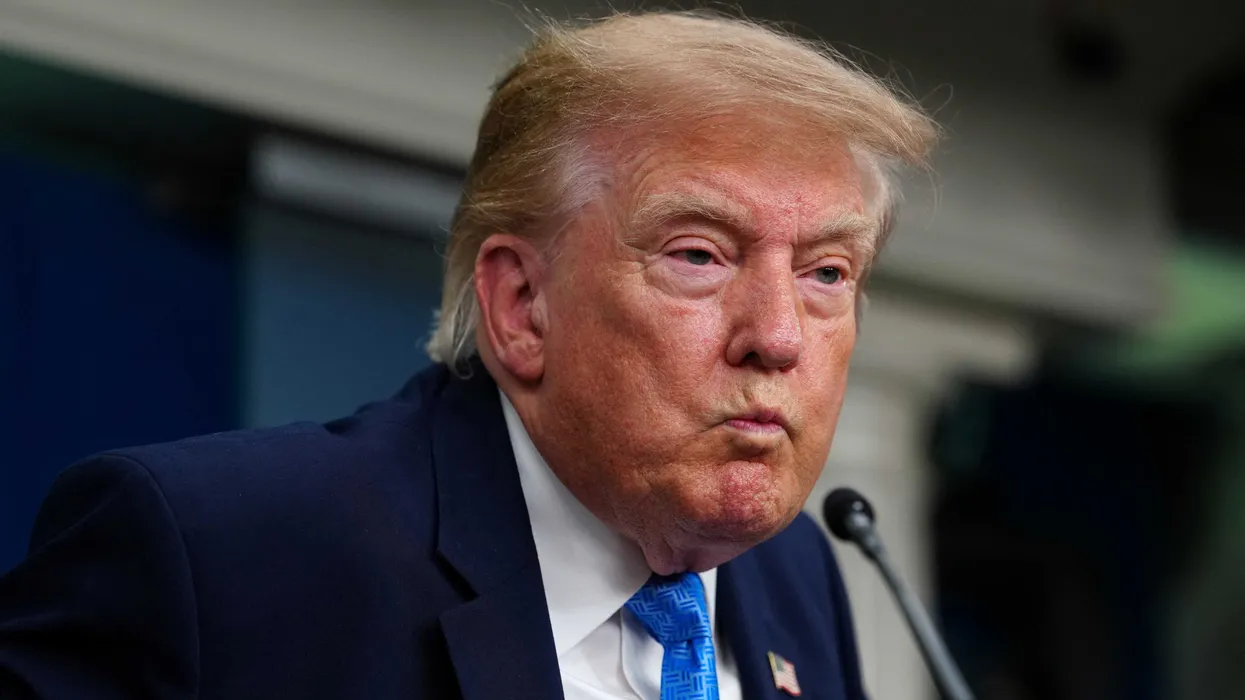
A right-leaning financial policy analyst is warning that President Donald Trump's intervention to restore Jensen Huang as chief executive of Nvidia could establish a precedent allowing future presidents to force out corporate leaders they oppose.
Writing in an analysis published Friday in the Washington Examiner, Brayden Myers of the Reason Foundation argued that Trump's involvement in returning Huang to the helm of the chipmaker should concern anyone who believes corporations are supposed to be controlled by shareholders rather than the president.
"A company whose leadership is contingent on the president's approval is not being held accountable by its shareholders but rather by their proximity to power. While today, the president wants Huang reinstated, another president down the road might want to force a corporate leader out (even Huang himself), and the precedent will already have been set," Myers wrote.
Huang resigned as Nvidia's CEO on Nov. 12 after admitting to extramarital affairs, one of them with a woman whom U.S. intelligence says was recruited by Chinese intelligence. Following his resignation, the company's board of directors hired outside lawyers to conduct an investigation into the matter and announced on Nov. 17 that it had no plans to reinstate him. Separately, multiple committees in the U.S. House of Representatives scheduled closed-door hearings with Huang as part of their own investigation into alleged chip smuggling to China by Nvidia.
According to Myers, the board's decision to remove Huang fell within its own responsibility, since directors are tasked with protecting the company's shareholders from legal and national security liability. The chips manufactured by Nvidia are a central focus of U.S. export policy, making them highly sensitive — a sensitivity heightened by the fact that export controls on advanced semiconductors are written and enforced by the executive branch, the same branch that stepped in to press for Huang's return.
After Huang's ouster, however, the Trump administration did exactly that. Senior administration officials, led by Vice President JD Vance, reportedly lobbied the Nvidia board over the weekend, according to CNN. On Nov. 23, the board said it had received input from senior levels of the U.S. government and was now confident that Huang would not pose a national security risk, adding that its investigation would remain open.
Within hours, Trump took credit for Huang's reinstatement, telling CNBC, "I convinced them." According to the analysis, Nvidia's sliding share price probably figured into Trump's calculation.
Myers noted that the administration itself has been divided over the situation. Treasury Secretary Scott Bessent has reportedly pushed for an outside leadership search at Nvidia. Additionally, according to a report in the Washington Post, Trump owns between $13 million and $62 million worth of Nvidia stock.
Myers acknowledged that Huang is probably the best person to serve as Nvidia's CEO, having been at the helm of the company for 33 years and having been one of the first to bet on the success of artificial intelligence. Even so, he argued, that does not make Huang irreplaceable, pointing to Apple's success under CEO Tim Cook as an example.
The surge in Nvidia's share price following Huang's return may stem in part from the perception that he has access to the administration, Myers said. That perception matters, he added, because Nvidia is one of the largest holdings in index funds and pension plans that millions of ordinary Americans rely on — which, in his telling, makes the episode about more than one executive's fate: a question of whether leadership at a strategically vital public company answers to the boardroom or the White House. The unresolved threads — the board's still-open investigation and the closed-door hearings House committees have scheduled with Huang — mean the questions Myers raises about presidential reach into corporate governance will remain in play.

