Trump Amplifies Attack on Nobel Peace Prize Winner Navi Pillay After 2026 Snub
Key Takeaways
- •The Norwegian Nobel Committee awarded the 2026 Nobel Peace Prize to Navi Pillay, an 85-year-old South African lawyer honored for her work promoting international justice and accountability for war crimes, crimes against humanity, and genocide.
- •Trump responded to the decision by reposting former impeachment attorney David Schoen's Truth Social post accusing the committee of shaming itself and labeling Pillay a hater of America and Israel, without evidence for claims that she celebrated terrorists and rewarded Hamas.
- •Schoen argued Trump should have received the prize, citing the Abraham Accords, efforts to secure the release of hostages, and attempts to end Russia's war in Ukraine.
- •Trump had publicly campaigned for the nomination and, less than two days before the announcement, repeated his false claim that he had settled eight wars.
- •Pillay, who served as UN high commissioner for human rights and chaired the UN inquiry that concluded Israel committed genocide in Gaza—a finding Israel rejects—joked while celebrating that she might share the prize with Trump.
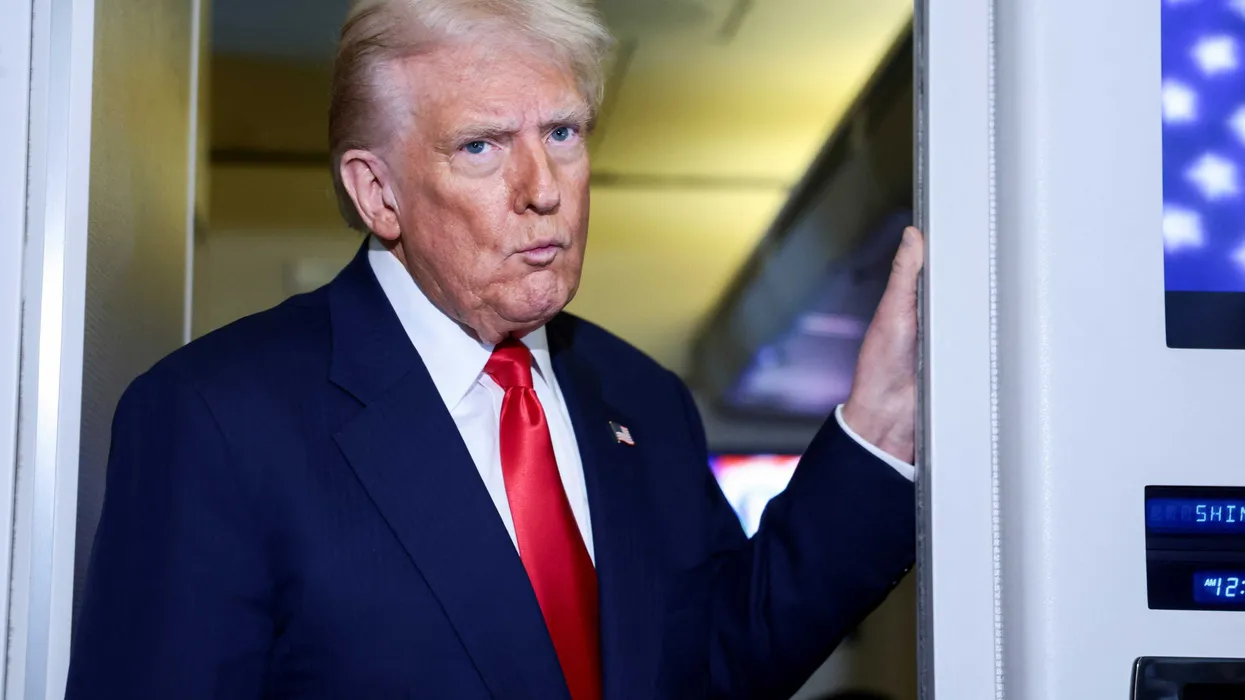
President Donald Trump has responded to his latest Nobel Peace Prize snub by amplifying a scathing attack that accuses the Norwegian Nobel Committee of disgracing itself with its selection of South African human rights lawyer Navi Pillay.
Shortly after Pillay was announced as the 2026 laureate in recognition of her contributions to international law, Trump reposted a message from David Schoen, the former attorney who represented him during his second impeachment trial.
"Today the Nobel Committee shamed itself beyond repair and demeaned the once great Nobel Peace Prize by giving it to the UN's Navi Pillay," Schoen wrote in a post on Truth Social.
Schoen described Pillay as "an unabashed hater of America and Israel" and accused her of celebrating terrorists and rewarding Hamas, without providing evidence for the allegations. He also attacked the United Nations Human Rights Council commission of inquiry that Pillay chaired, which concluded last year that Israel had committed genocide in Gaza — a finding that Israel has rejected.
"She has no credibility in any normal sphere and has never done a thing to foster peace," Schoen wrote. "Just the opposite."
The attorney went on to argue that Trump should have received the prize instead, citing the Abraham Accords, his efforts to secure the release of the hostages, and his attempts to end Russia's war in Ukraine.
"President Trump gave us the Abraham Accords, which the world said would be impossible and is now expanding them!" Schoen wrote. "He brought home the hostages when all seemed hopeless!" He concluded that Trump's achievements were "the kinds of things the Nobel Peace Prize was intended to recognize and reward[!]"
The attack followed Trump's repeated public campaigning for his own nomination, with the president arguing that his diplomatic record made him uniquely worthy of the honor. Less than two days before the announcement, Trump told reporters at the White House that no one in the history of the prize had deserved it more, repeating his false claim that he had settled eight wars.
Pillay, who is 85 years old, previously served as United Nations high commissioner for human rights and as a judge at both the International Criminal Court and the tribunal that investigated the Rwandan genocide. The five-member Norwegian Nobel Committee, appointed by Norway's parliament, praised her many years of work promoting international justice, particularly her efforts to secure accountability for war crimes, crimes against humanity, and genocide.
Celebrating her win with colleagues in Germany, Pillay appeared to joke about Trump's pursuit of the honor.
"If you clap a little bit more, I may share this prize with Trump," she said.
The award, established under the 1895 will of Swedish industrialist Alfred Nobel, will be formally presented in Oslo on December 10 — the anniversary of his death — in keeping with a tradition that has held since the first prizes were conferred in 1901.

