Trump says military is 'the ultimate intervention' when asked about calming turbulent bond market
Key Takeaways
- •Trump said the military could be used if intervention is needed to calm the bond market.
- •Treasury Secretary Scott Bessent announced a larger debt buyback to help push interest rates lower.
- •Trump said he did not direct Bessent's intervention and described him as capable.
- •Bond yields rose again after Trump's standoff with Iran intensified and oil prices increased.
- •The U.S. national debt rose above $40 trillion, adding to concerns about borrowing costs and deficits.
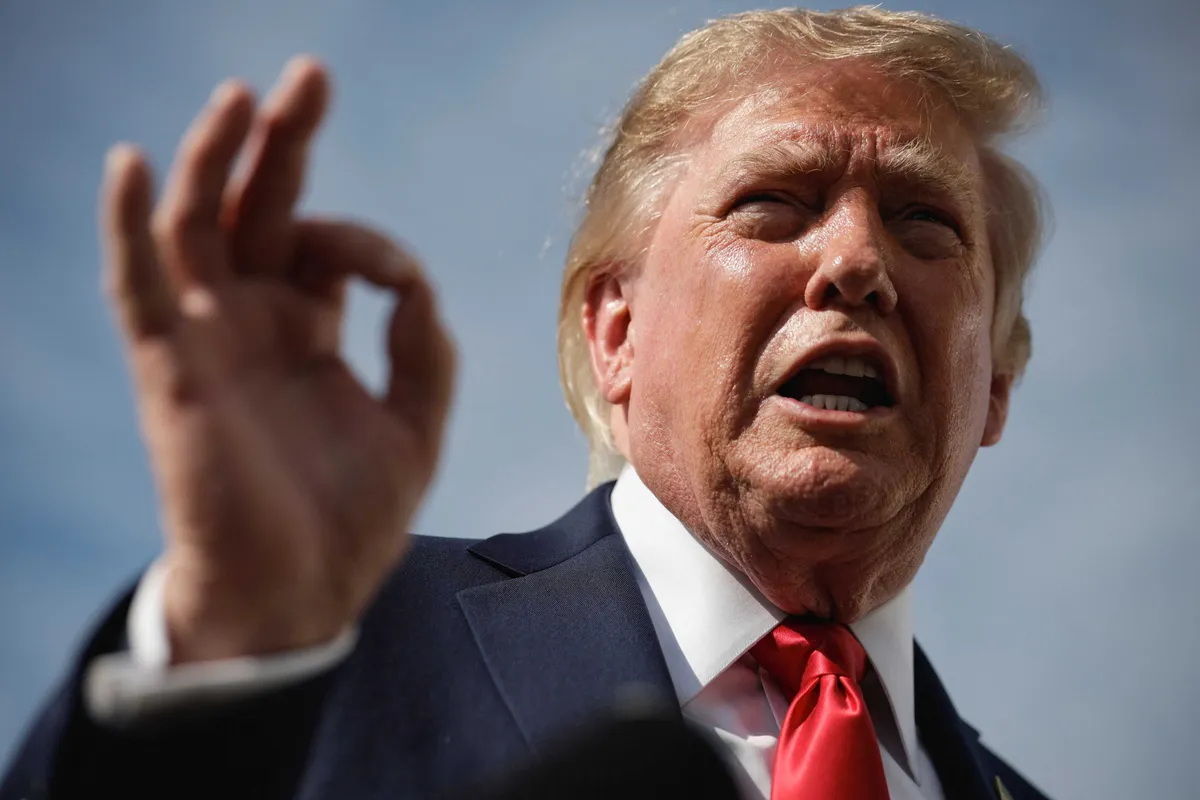
President Donald Trump responded to a reporter's question about calming the turbulent bond market on Friday by raising the possibility of military force.
Asked whether he had spoken with Treasury Secretary Scott Bessent about "another type of intervention" after bond yields climbed back to multi-year highs, Trump replied: "The ultimate intervention is our military. And if we have to use that, we will." He made the remarks to reporters.
In market parlance, an "intervention" typically refers to official operations — such as debt buybacks or currency actions — deployed to influence asset prices, rather than military force.
The comment came as Trump appears to be escalating his military posture toward Iran. On Thursday, Bessent told CNBC that the United States likely would not need to restart large-scale combat with Iran, hours after Trump declared "economic D-day" on the country.
The exchange also followed Bessent's announcement that the Treasury would buy back far more of its own debt than planned. According to CNBC reporting, the step was intended to push interest rates down. Buybacks work by pulling long-dated securities out of circulation, reducing the effective supply of government debt available to investors. The Treasury acted after the rate on the government's 30-year bond hit its highest levels since 2007, Reuters reported. Long-term yields like the 30-year serve as benchmarks for borrowing costs across the economy, from home mortgages to corporate debt.
Trump distanced himself from Bessent's move in his comments on Friday, saying he had not directed the intervention.
"No, not at all," Trump said. He added that Bessent is "a very capable man. He wanted to do it."
Bessent's fix barely lasted a day. Rates quickly climbed back to where they started after Trump escalated his standoff with Iran and drove oil prices higher, according to reporting by CNBC. Oil prices feed into inflation expectations, which are among the inputs investors weigh when pricing long-term yields.
Shortly afterward, the nation's total debt topped $40 trillion for the first time, which fueled investor anxiety over rising borrowing costs and deepening deficits, Reuters noted.
The Iran war is now in its sixth month, and Trump has faced questions about how far he is willing to go. The Telegraph reported earlier this week that Trump was weighing a possible nuclear strike, a claim amplified by former Rep. Marjorie Taylor Greene, who said the administration had discussed the option in strategy meetings.
