Trump's Power May Have Peaked at Home and Abroad as Midterms Threaten GOP Control of Congress
Key Takeaways
- •Polls indicate Republicans are on track to lose at least one chamber of Congress, which would force the White House to negotiate with Democrats to pass any bill.
- •Trump's tariffs were imposed through presidential action rather than acts of Congress, meaning a divided legislature would not block his trade agenda.
- •Brazilian voters re-elected leftist President Luiz Inácio Lula da Silva to a historic fourth term, defeating Flávio Bolsonaro, who later fled to Florida amid escalating corruption investigations.
- •Serbian leader Aleksandar Vucic, a MAGA-aligned figure with ties to Donald Trump Jr. and Jared Kushner, was voted out in favor of a student-led group capitalizing on anger over institutional corruption.
- •The European Union and Canada committed at a Montreal summit to deepen cooperation in areas including defense, security, and education, working around the United States.
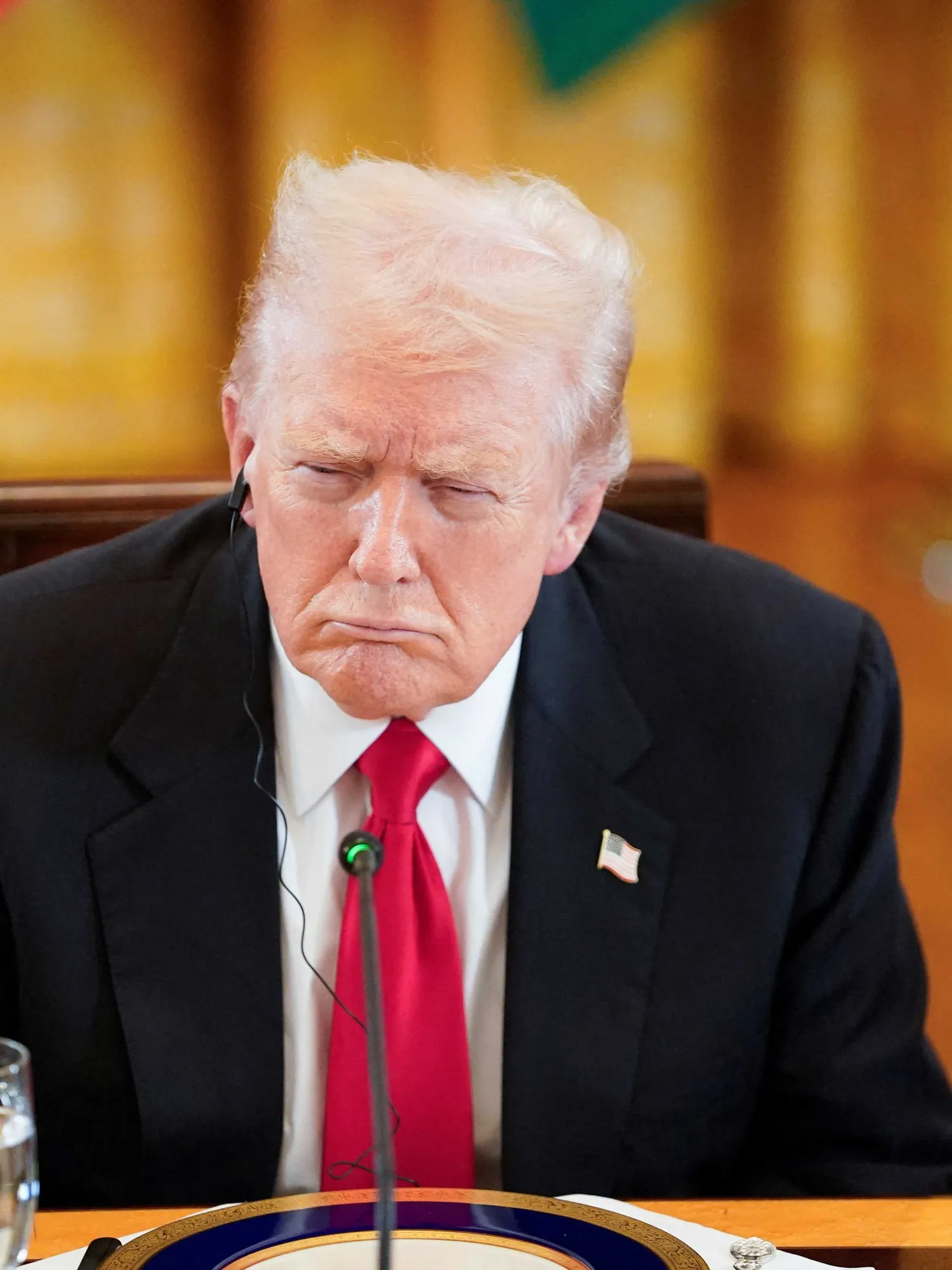
Polls indicate President Donald Trump's Republican Party is on track to lose control of at least one chamber of Congress, but a Bloomberg report suggests the president could treat an electoral setback as a “cue to step up his interventions abroad, renewing his attacks on Iran, attempting to force Ukraine to bow to Russian demands, or revisiting global tariffs.” Losing either chamber would end single-party control of legislation, forcing the White House to negotiate with Democrats to pass any bill and handing the opposition the investigative machinery of congressional committees.
“He could easily accelerate his agenda,” said Deborah Elms, head of trade policy at the Hinrich Foundation in Singapore. Describing Trump as “extremely angry” after the elections, she said “he will be looking for an opportunity to continue to show leadership in the way that he thinks is important, and so I do think that he will aggressively pursue his trade agenda.” One structural detail underpins that assessment: the tariffs at the center of the agenda were imposed through presidential action rather than acts of Congress, a lever that operates regardless of which party controls Capitol Hill.
Yet the same report points to indications that Trump's power may already have peaked — not only at home, where voters are handing him a rebuke and neutralizing a Congress that has served as a rubber stamp, but also globally, where a series of recent elections has ousted his international allies and pivoted the world away from global Trumpism. Which dynamic proves stronger in the post-election period — the acceleration analysts anticipate, or the international realignment already underway — is the question the report leaves open.
“In the clearest repudiation of Trump's influence, Brazilian voters last Sunday wrong-footed analysts and market expectations to rally behind veteran leftist President Luiz Inácio Lula da Silva for an historic fourth term,” Bloomberg reports. “In doing so, they not only rebuffed right-wing candidate Flávio Bolsonaro — the son of former President Jair Bolsonaro, known as the ‘Trump of the Tropics’ — but defied Trump's push to assert U.S. dominance over Latin America. Lula campaigned on sovereignty, asserting that Brazil was nobody's backyard.”
Flávio Bolsonaro ultimately fled to Florida as Brazilian authorities ramped up efforts to investigate corruption allegations that he had hoped to halt with an election victory.
“In another rejection of MAGA-aligned populism, Serbian strongman Aleksandar Vucic — whose acquaintances include Donald Trump Jr. and presidential son-in-law Jared Kushner — was unceremoniously ejected last weekend by voters wearied by his long years in office,” reports Bloomberg. “In his place, they elected a student-led group that tapped into public dismay at institutional corruption.”
And at a summit in Montreal this week, the European Union and Canada worked around their estranged American allies, committing to “deepen ties in fields from defense and security to education,” according to Bloomberg.
“It's no secret that the Trump administration has been quite a handful to deal with,” said Dino Djalal, a former Indonesian ambassador to the United States. Djalal predicted “a rebalancing of US politics” from Democrats' projected gains in the House or Senate, which could ease international tensions and reduce the “climate of fear” that countries navigate in dealing with Trump. For those governments, control of Congress is not an abstraction: the majority in each chamber sets the agenda on trade legislation, sanctions, and foreign aid.
Others are simply hoping the midterms will bring some “respite.” That includes South Africa, which Trump has accused — without evidence — of waging war against its white residents. Trump even shut the nation out of this year's U.S.-hosted Group of 20 meetings, despite South Africa having been a permanent member of the bloc since the end of apartheid.

