Bouie: GOP Election Subversion Efforts Likely to Fail Due to Administrative Incompetence
Key Takeaways
- •Bouie argues that the decentralized structure of American election administration—spanning more than 10,000 local jurisdictions across 50 states—makes a coordinated effort to steal the election extraordinarily difficult.
- •The Trump administration has lost all of its election-related lawsuits, with federal courts including those presided over by Trump-appointed judges ruling against efforts to override state-certified results.
- •Bouie contends there is no procedural mechanism for Republican lawmakers to block the swearing-in of Democratic House members, as members must be sworn in before a Speaker is reconfirmed.
- •The analyst asserts that the administration has not demonstrated the competence required to execute the kind of intricate, multi-step scheme needed to subvert election outcomes.
- •Despite his skepticism about Republican election subversion prospects, Bouie urges Americans to vote in overwhelming numbers and be prepared to physically object if disruptions occur in January.
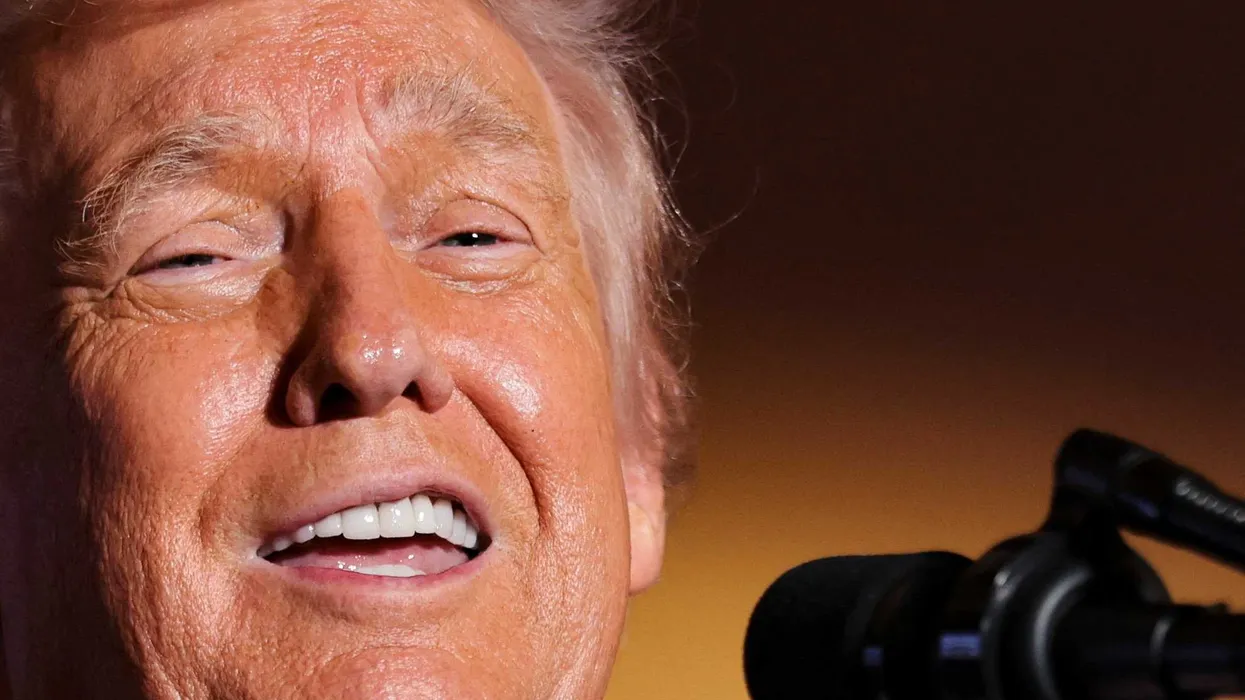
Numerous commentators have voiced alarm over the steps President Donald Trump and the Republican Party are taking to lay the groundwork for stealing or contesting the November midterm elections. New York Times political analyst Jamelle Bouie, however, argues there is a clear reason the "intricate scheme" required for Trump to control election outcomes will collapse: sheer incompetence.
Bouie acknowledges that many Americans are "quite concerned about the midterm elections," particularly about what Trump might do to subvert the results. "You remember January 6. You see the headlines about Trump trying to get control of mail and ballots, of Trump trying to sue states to get voter rolls. You see him issuing broad executive orders that purport to wrangle control of elections from the states to the White House. And you're worried that even if Democrats win, something will happen that will prevent them from taking power." The January 6 reference invokes the 2021 assault on the U.S. Capitol by a pro-Trump mob that sought to halt Congress's certification of Joe Biden's Electoral College victory, an event that resulted in deaths, injuries to over 140 police officers, and more than 1,500 criminal cases brought by the Department of Justice.
Actually stealing the election, Bouie contends, would be "an extraordinarily difficult lift." The decentralized structure of American election administration—spread across more than 10,000 local jurisdictions in 50 states, each with its own ballot designs, certification procedures, and oversight—adds to that difficulty. He points to the proposal of stationing federal agents at polling places as an intimidation tactic that "might work in a single state and might work in a cluster of districts, but there's going to be dozens of competitive districts. There are many competitive Senate seats, and states are huge. In many of these elections, hundreds of thousands, if not millions of voters will be voting. And voters, for the most part, aren't actually concentrated in a handful of places. You would need a literal army of guys to be able to successfully do this in one state."
Beyond the logistical barriers, Bouie questions whether the administration possesses the competence to execute such a plan. "That's setting aside how the administration has acted over the past year. There's no real evidence on display that they're competent enough, put together enough, anything enough, to really accomplish this."
The same assessment applies to the Trump administration's election-related lawsuits, he says. "The administration has lost all of them. The Department of Justice literally does not have enough people to put forth to try to win these cases. And this is setting aside the fact that there's just no legal basis for the administration's attempt to seize control of elections."
While critics argue that Trump and his allies disregard the law entirely, Bouie disagrees. "The law confers legitimacy, and they want these things to have a veneer of legitimacy, so they do care about the law. That's why they sue, right? That's why they engage in the legal process. And the fact is that the law just isn't on their side. Even Trump judges are rejecting this stuff. It's a sign of how difficult it is to do this." Federal courts, including those presided over by Trump-appointed judges, have repeatedly ruled against efforts to override state-certified election results, citing both constitutional provisions vesting election authority in the states and the absence of standing or legal merit in the challenges brought.
Bouie observes that many people are less worried about November itself than about the possibility of a Republican scheme to subvert the outcome after the votes are counted. He pushes back against this fear, however, arguing: "I think a lot of you overestimate both Republican ingenuity and the success of various Republican plots. I think a lot of folks have bought into the Republican Party's own propaganda about itself, about the genius of figures like Mitch McConnell and the like. I think if you take an objective look at Republican plots, what you see is that a lot of them just aren't very successful. They don't quite amount to much. You see plenty of failure."
On the question of whether Republican lawmakers could block the swearing-in of Democratic members, Bouie explains there is no procedural mechanism to do so. When the House reconvenes in January, Mike Johnson (R-LA) will no longer serve as majority leader, regardless of which party prevails. He would need to be reconfirmed only after members have been sworn in. While objections can be raised to seating individual Democrats, "there is no rule or law that says that objections have to be honored during the swearing-in process... The objection can be registered and they can receive the oath anyway, and then the majority afterwards would deal with those objections. And the majority in the case Democrats win would be the Democrats."
Bouie does urge Americans to remain "vigilant" by turning out to vote in overwhelming numbers and "being ready to object with your physical presence should anything really pop off in January." Nevertheless, he maintains that a successful Republican election heist remains improbable.
"I'm not going to totally rule it out, but you have to recognize that to do all of these things together requires a kind of intricate scheme with a lot of moving pieces and a lot of high competence," Bouie concludes. "And I need everyone to ask themselves: have they seen the capacity to do that from this administration?"

