Legal analyst calls Trump memo blocking congressional testimony a 'radical departure' from law
Key Takeaways
- •White House counsel Will Scharf issued a memo requiring all executive branch personnel to obtain approval from the Office of Legislative Affairs and the Office of White House Counsel before agreeing to appear before any congressional committee.
- •Legal analyst Liz Dye argues the directive conflicts with 5 U.S.C. § 7211, a 1917 statute guaranteeing federal employees' right to furnish information to Congress, and represents a departure from a century of precedent.
- •Dye rejects the administration's interpretation of Trump v. Mazars, asserting the Supreme Court ruling does not allow the White House to dismiss congressional investigations by declaring their purposes illegitimate.
- •Contempt of Congress carries a five-year statute of limitations, meaning officials who refuse to cooperate with subpoenas could face prosecution by a future Justice Department after Trump leaves office.
- •Potential targets of future congressional inquiries include Jared Kushner's foreign investments, federal benefits received by companies backed by Trump's sons, donations for the White House ballroom, and the status of Qatar's donated presidential aircraft.
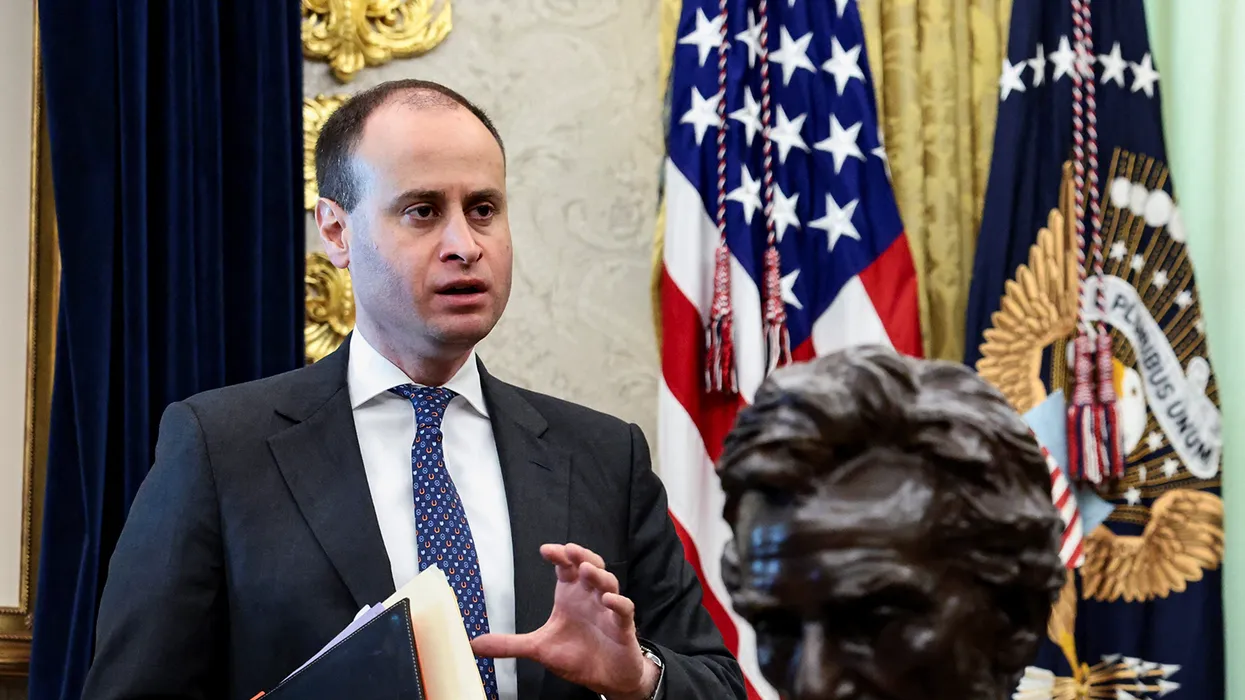
Legal analyst Liz Dye published a column on Wednesday examining the Trump administration's move to block congressional subpoenas for executive branch officials and aides.
According to PBS News, which reported on the memo Monday, Will Scharf, counsel to the president, instructed department lawyers in a memo to all federal employees that anyone subpoenaed by Congress must receive White House approval before testifying.
"Executive Departments and Agencies must obtain approval from the White House Office of Legislative Affairs (OLA) and the Office of the White House Counsel (WHCO) before any agency personnel may agree to appear before any congressional committee," the memo stated.
Writing in Public Notice, Dye described the directive as an act of obstruction against members of Congress seeking to conduct oversight once Democrats take control of the House and Senate on Jan. 3, when the new Congress convenes. She dismissed the memo as "horse hockey."
If an "established" policy already existed, she argued, "the memo would be unnecessary surplusage. In reality, this is a radical departure from prior policy, contrary to both law and precedent."
In Dye's assessment, the White House strategy conflicts with federal law and settled precedent — and could expose officials who follow its directives to further legal consequences.
She traced the dispute back to a parallel episode in 1909, when President Taft barred federal employees from "respond[ing] to any request for information from either House of Congress, or any committee of either House of Congress, or any Member of Congress, except through, or as authorized by, the head of his department." Congress answered by passing 5 U.S.C. § 7211 in 1917, a law guaranteeing that the right of all federal employees "to furnish information to either House of Congress, or to a committee or Member thereof, may not be interfered with or denied."
The U.S. Supreme Court, meanwhile, has upheld congressional oversight, including the use of subpoenas to gather information, as administrations have long recognized. Historically, Dye writes, disputes over testimony and documents have generally been resolved through negotiations between the executive and legislative branches rather than blanket refusals to cooperate.
The memo recalled Trump's first term, when his administration resisted subpoenas concerning security clearances, financial records and testimony from former White House counsel Don McGahn. Those battles frame Dye's central concern: even when Trump loses legally, litigation can delay disclosure until its political impact has faded.
Yet, in her view, those earlier lawsuits also produced precedents that could weaken the administration's current position. She rejects Scharf's interpretation of Trump v. Mazars, the Supreme Court decision that established limits on congressional subpoenas for a president's personal information. The ruling, she argues, does not permit the White House to dismiss congressional investigations simply by declaring their purposes illegitimate.
The column also criticizes threats of criminal scrutiny aimed at Democratic lawmakers planning investigations. Conducting legitimate oversight, Dye argues, is a congressional responsibility — not grounds for prosecution.
Among the possible subjects of future inquiries, she writes, are Jared Kushner's foreign investments and diplomatic work, federal benefits received by companies backed by Trump's sons, donations for the White House ballroom, and the future of Qatar's donated presidential aircraft.
Dye acknowledges that litigation could again slow congressional inquiries and that courts may complicate enforcement. Even so, she cautions officials against assuming that refusing subpoenas will remain consequence-free once Trump leaves office.
Contempt of Congress — a charge Congress can set in motion by voting to refer a defiant witness to the Justice Department — carries a five-year statute of limitations, meaning a future Justice Department could prosecute any Trump staffer who refused to cooperate with a new administration. There is also, in theory, the option of the House and Senate Sergeants at Arms retrieving a reluctant witness from the White House or a department — a tactic unused for nearly 100 years, but still available.
Dye's conclusion: officials ordered to resist oversight may ultimately have to choose between protecting themselves and trusting Trump to pardon them.

