Daily Beast Writer Says Trump Revealed a Key Weakness at White House Correspondents' Dinner
Key Takeaways
- •David Gardner wrote that Trump’s conduct at the White House Correspondents' Dinner offered insight into his instincts and political image.
- •Gardner said Trump became visibly more animated during the awards ceremony after appearing tired when he arrived.
- •The Wall Street Journal received an award for coverage of Trump’s relationship to Jeffrey Epstein while Wolf Blitzer criticized Trump during the presentation.
- •Gardner argued that Trump attacks the press while also depending on media attention to sustain his public persona.
- •The analysis said Trump’s reliance on being watched could become a vulnerability as press freedom remains under pressure.
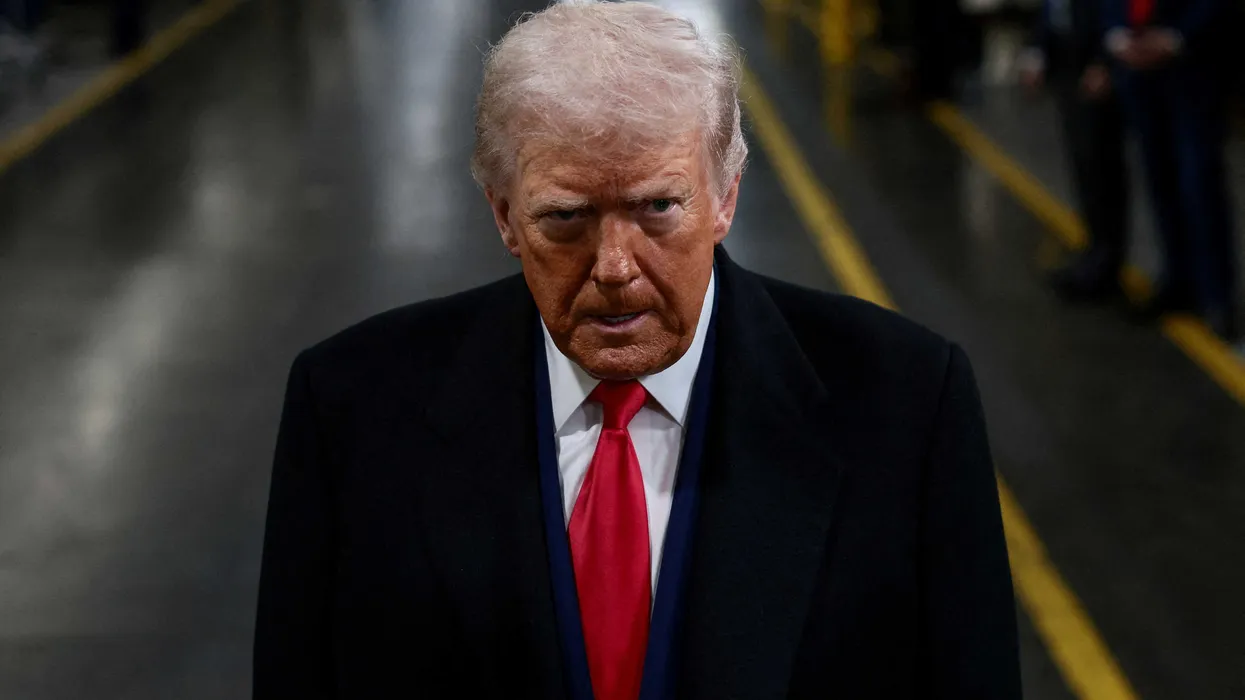
President Donald Trump appeared to offer a revealing glimpse into his own instincts during his appearance at the White House Correspondents' Dinner, according to a new analysis from The Daily Beast, which argued that the event also exposed a major "weakness that will be his undoing."
The White House Correspondents' Dinner is traditionally a high-profile Washington event centered on political humor, journalism awards, and the relationship between the press corps and the presidency, making it a particularly visible setting for any confrontation between a president and the media.
In a piece published Saturday afternoon, The Daily Beast's chief national correspondent David Gardner wrote that his "faith in [Trump] and his administration has dwindled a little more" with each day he has covered them, even though, as a journalist, he said he has tried to find something positive in even the most disturbing circumstances. Trump, Gardner added, "has eaten at my soul."
Despite that deepening frustration, Gardner said Friday's correspondents' dinner gave him "some hope." What he observed, he wrote, showed how closely Trump and his political strength are connected to his fixation on television, attention, and the performance of being watched.
"It seemed a good sign that Trump wanted to give it another go, and the early signs looked promising," Gardner wrote. "He was clearly catching up with some sleep when he first arrived. Maybe because it wasn’t about him. But he came alive when the award ceremony began. He shrugged. He smiled. He smirked. He spoke out of the side of his mouth to Karoline Leavitt with quips and asides that felt to the audience like he was genuinely enjoying himself."
Gardner said Trump appeared, to his surprise, to be "a good sport" even while watching The Wall Street Journal receive an award for its coverage of his relationship to Jeffrey Epstein. During that presentation, CNN anchor Wolf Blitzer did not avoid criticizing Trump.
Later in the evening, Gardner wrote, Trump's own mockery of the press took a "dark" turn. Still, he argued that the event made clear how much Trump relies on the media to project the image that is central to his public identity. That dependence, Gardner suggested, could ultimately become a vulnerability, especially because the same press attention Trump attacks is also part of the machinery that keeps his image constantly in public view.
"If there is one thing the president understands, it’s good TV," Gardner continued. "And he woke up from his table nap to realize that he was the star of some surprisingly hilarious television. No matter that he was the butt of the joke. He was still the center of attention. And that’s what drives him."
Gardner later added: "Press freedom is undeniably under threat from Trump and his acolytes like Stephen Miller. But Trump needs to understand that he needs the press. On some level, he must know that when the camera lights fade away, so does he. And by that time, there will be plenty lining up to make his legacy known—first and foremost, that it just wasn’t a very good show."

