Trump Is 'Running Out of Time' in Two Crucial Swing-State Battles, Report Says
Key Takeaways
- •The Supreme Court is set to weigh whether Trump administration mail-voting restrictions can take effect in Wisconsin and North Carolina before ballots are returned.
- •Wisconsin and North Carolina have already begun mailing ballots under existing long-standing policies rather than the administration's proposed new rules.
- •Wisconsin Elections Commission Chairman Don Millis, a Republican, said the proposed requirements are impractical and would hurt Republican turnout more than Democratic turnout.
- •North Carolina election board member Gerry Cohen criticized Postal Service plans for voter-list updates, noting his county processes about 1,500 new registrations weekly.
- •Wisconsin and North Carolina were each decided by less than a percentage point in recent presidential contests, making mail-ballot rule changes consequential.
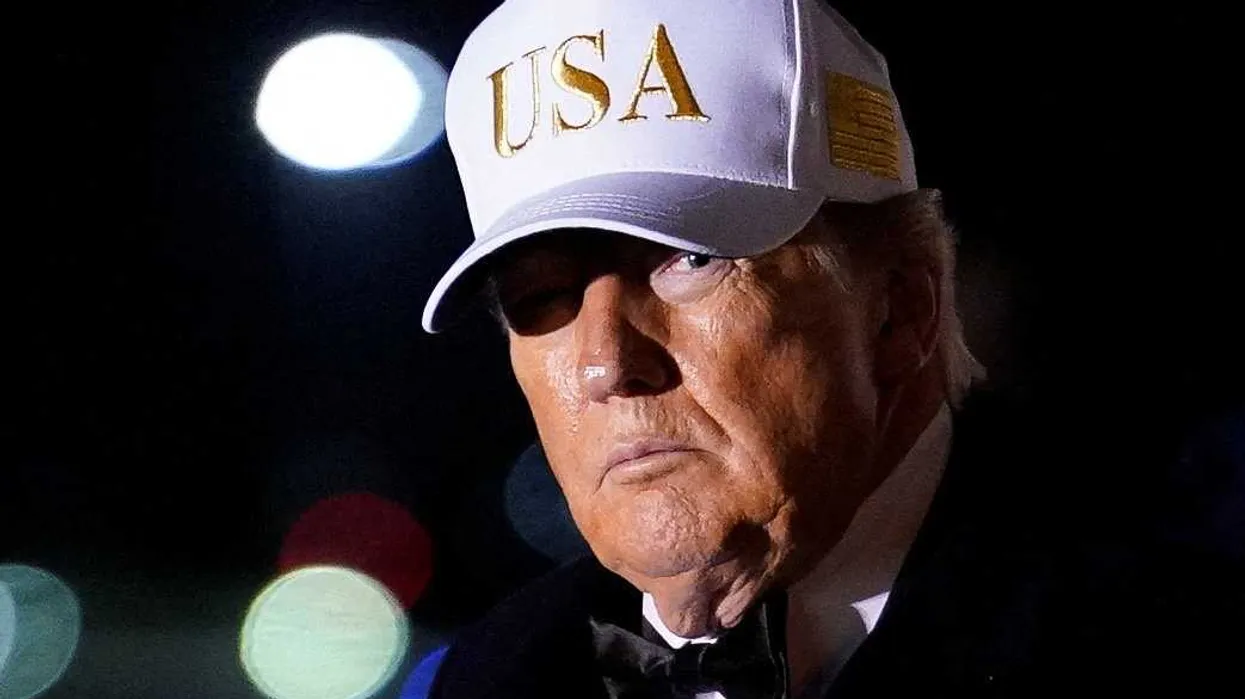
President Donald Trump is "running out of time" in two crucial swing-state battles, the Washington Post reported Sunday.
The clock is ticking on the administration's efforts to limit mail-in voting in Wisconsin and North Carolina, as a fresh legal battle over the issue heads to the U.S. Supreme Court, according to the report. Both states are perennial battlegrounds in presidential elections and are expected to play a decisive role again in November. Wisconsin and North Carolina were among the closest states in recent presidential contests, decided by margins of less than a percentage point, which is why even small changes to mail-ballot rules are watched closely by both parties.
Wisconsin's bipartisan elections board told local officials on Monday that they could begin putting ballots in the mail, and by Tuesday at least a few already had, the Post reported. In North Carolina, officials mailed ballots to voters on Friday, and election clerks in other states plan to do the same soon. North Carolina is traditionally among the first states in the country to send general-election ballots to voters, a timing that effectively starts the election season nationally and compresses the window for resolving last-minute legal changes.
Notably, the ballots now going out are being sent under long-standing policies — not the new rules Trump has been trying to impose on states, the Post reported. That creates a practical problem for any late-arriving court order: ballots cast under existing rules may already be in voters' hands and returned before new restrictions could take effect.
Some officials said they wanted to mail ballots as quickly as possible because they believe Trump's proposed new requirements would be impossible to implement in practice.
"There's no practical way for Wisconsin clerks to comply," said Republican Don Millis, chairman of the Wisconsin Elections Commission.
Millis criticized the proposed policies, arguing they would "hurt the Republican turnout more than the Democratic turnout."
In North Carolina, Gerry Cohen, a Democrat serving on an elections board, criticized the Postal Service's plans to receive updates on voter lists, noting that his county processes roughly 1,500 new registrations per week.
"Tell me you don't know anything about elections without telling me you don't know anything about elections," Cohen said.
Under U.S. election law, states administer their own elections, and mail-in voting procedures vary by state. The Constitution largely delegates election administration to states, though Congress can regulate aspects such as the timing of federal elections — the tension at the heart of the current dispute. Legal fights over ballot access rules have repeatedly reached the Supreme Court in recent election cycles, often on an accelerated timeline as ballots are already being distributed; in 2020, the Court's late decisions on mail-ballot deadlines in states such as Pennsylvania and Wisconsin illustrated how little time officials have to adjust once voting is underway.
The case now before the Court could determine whether the new federal restrictions sought by the Trump administration take effect before ballots are returned in the two swing states. What to watch next: the Court's decision on whether to hear or stay the case, and whether Wisconsin and North Carolina clerks continue mailing ballots under existing rules in the meantime.

