Trump’s Policies Deepen Americans’ Work-Life Strain, Report Says
Key Takeaways
- •The article says U.S. workers are facing longer hours and weaker work-life balance under Trump.
- •It reports that American employees average 36.27 hours a week, compared with lower averages in Germany and the UK.
- •The United States remains the only advanced economy without federally mandated paid vacation days.
- •The piece says Biden-era wage gains have been reversed and unemployment has increased since Trump returned to office.
- •It notes that progressive Democrats have proposed two weeks of annual paid vacation, but the measure is unlikely to advance under Trump and Republicans.
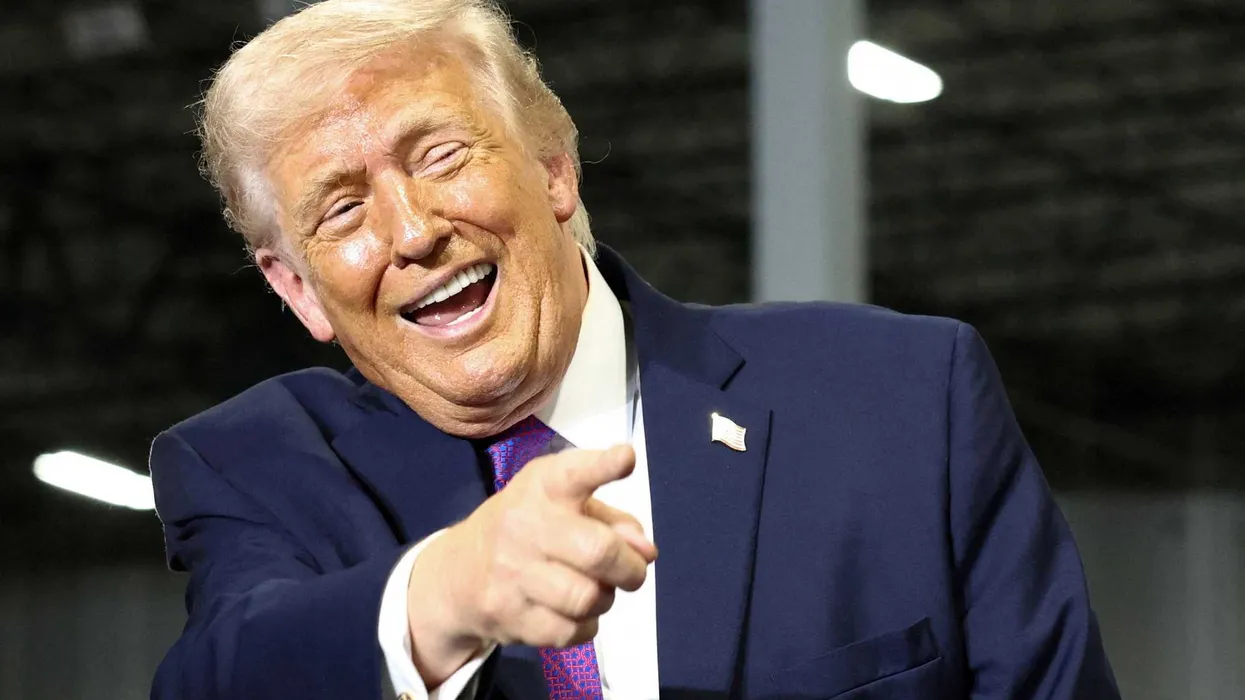
Despite pledging to make life easier and more affordable for working people during his reelection campaign, President Donald Trump has made the “endless grind” even worse for American workers, according to a new breakdown from The i Paper.
In the piece published Monday, reporter Noah Berlatsky wrote that “long hours, sparse vacation time and a bleak work-life balance” have long been the norm for many working Americans. Under Trump, he said, the situation has worsened as “Biden-era wage-over-inflation gains have been reversed, and unemployment has crept upwards,” leaving workers with “even fewer options — and less opportunity to claw back some of their time.” That dynamic matters because time off is often one of the first things workers lose when the labor market weakens, especially in a system where paid leave is not guaranteed at the federal level.
“The United States is notorious for its endless grind,” Berlatsky wrote. “American employees work an average of 36.27 hours a week, while Germans work 29.66 and the British work 31.17, according to the International Labor Organization. The average full-time US employee worked around 8.49 hours each weekday in 2025, according to the Bureau of Labour Statistics, while full-time employees in the UK put in about 7.3 hours a day in a five-day week, the Office for National Statistics reported.”
He added that long working hours in the US are partly tied to Americans’ limited use of vacation time. “The US is the only advanced economy with no federally mandated paid vacation days,” he wrote. “Eighty per cent of private-sector, full-time employees in the US are entitled to paid time off, but that varies wildly by industry... Even when workers do have paid time off, they often don’t use it. Half of American workers do not take all of the holiday time they have accrued, scholar Karen Tan wrote in The Conversation, thanks in part to a phenomenon known as ‘vacation guilt.’”
Berlatsky also said that under former President Joe Biden, the labor market improved significantly, with unemployment reaching “historic lows” and giving workers more leverage to seek “higher wages and better benefits.” He argued that those gains have stalled since Trump returned to office, citing Trump’s “tariffs, wars, federal firings and attacks on immigrant labour” as factors weakening the economy and contributing to an environment in which “long-term unemployment is up and inflation is outpacing wages.”
“Whenever job opportunities get worse,” Betsey Stevenson, an economics professor at the University of Michigan, said, “what people end up sacrificing is work-life balance, because they’re desperate to have whatever job they can.”
Berlatsky concluded that progressive Democrats have tried to mandate two weeks of annual paid vacation for all full-time workers, but that there is little chance of the legislation advancing under Trump and Republicans. “So Americans continue to work and work, with little in the way of life balance and little prospect of improvement,” he wrote.

