Trump Says US "Locked and Loaded" for Action Against Iran
Key Takeaways
- •Donald Trump declared the United States is "locked and loaded" on Truth Social, signaling potential military readiness against Iran.
- •The U.S. previously withdrew from the 2015 JCPOA nuclear agreement and has since reinstated economic sanctions on Iran, leading to periodic flare-ups in regional tensions.
- •Any military escalation between the U.S. and Iran could disrupt shipping through the Strait of Hormuz, which handles approximately one-fifth of global oil consumption.
- •Market pricing currently indicates a reduced likelihood of a diplomatic agreement that would include reconstruction funding.
- •Observers are closely watching for further statements from U.S. Chief Negotiator Mike Vance, Iranian Foreign Minister Javad Zarif, and regional mediators such as Qatar and Pakistan for signs of shifting diplomatic or military posture.
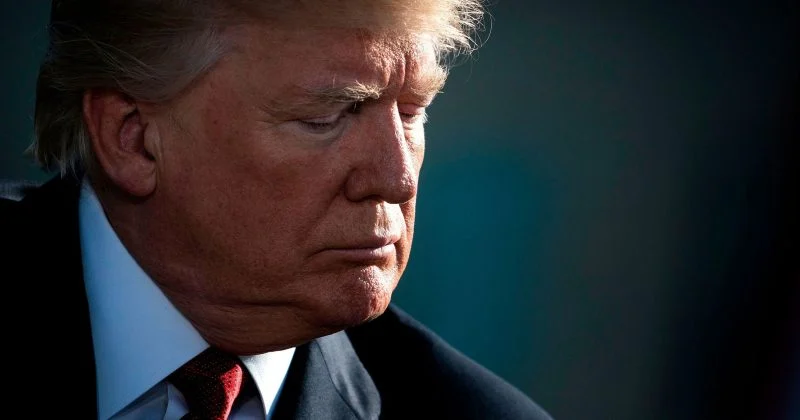
In a recent statement on Truth Social, former President Donald Trump declared that the United States is "locked and loaded," signaling readiness to take military action against Iran. The announcement comes amid sustained tensions between Washington and Tehran, with the United States having previously conducted military strikes alongside diplomatic efforts concerning Iran's nuclear program.
Trump's language points to a possible escalation in the U.S.-Iran conflict, a development that could complicate ongoing negotiations. The statement follows earlier remarks in which Trump indicated the U.S. was engaged in "very deep talks" with Iran while remaining prepared for robust military action should diplomatic efforts fail.
The U.S. and Iran have been at odds over Iran's nuclear activities for years. The 2015 Joint Comprehensive Plan of Action (JCPOA), negotiated under the Obama administration, placed restrictions on Iran's nuclear program in exchange for sanctions relief. Trump withdrew the U.S. from the agreement in 2018, reinstating economic sanctions. Since then, tensions have periodically flared, including targeted strikes and proxy confrontations across the region.
Any military escalation between the U.S. and Iran carries implications beyond bilateral relations. Iran borders the Strait of Hormuz, through which roughly a fifth of global oil consumption transits, and past confrontations have prompted concerns about shipping disruptions and energy supply security.
Market pricing currently reflects a decreased likelihood of a diplomatic agreement that would include reconstruction funding, and prevailing conditions appear less aligned with scenarios in which diplomatic resolutions are achieved.
Observers are closely watching for further statements from key figures, including U.S. Chief Negotiator Mike Vance and Iranian Foreign Minister Javad Zarif, for any shifts in diplomatic or military posture. Confirmation of military action or new diplomatic engagement will be significant in shaping market perceptions of a potential U.S.-Iran deal. Additionally, developments involving regional mediators such as Qatar and Pakistan could influence the prospects for an agreement.

