Trump Targets Surging Democratic Candidates El-Sayed and Talarico in Late-Night Social Media Posts
Key Takeaways
- •Trump posted a series of personal late-night attacks on Democratic Senate candidates Abdul El-Sayed of Michigan and James Talarico of Texas in the weeks before critical congressional elections.
- •Political analysts view the president's posts as reflecting concern about vulnerable Republican seats that could decide the party's narrow Senate majority, since a one-seat swing determines control of the chamber's agenda.
- •In attacking El-Sayed, a 41-year-old former public health official, Trump deliberately misspelled his middle name as "Mohammed," extending earlier criticism that began after Fox News gave the candidate network airtime.
- •Trump accused Talarico of hiding from the public and demanded a debate, then claimed at a San Antonio rally the candidate had fallen ill after eating beef for political optics, while Talarico's campaign said he was recovering from the flu and Talarico accepted the invitation online.
- •With polling averages showing the Texas race has unexpectedly tightened in the challenger's favor, the focus on direct insults suggests Republican leadership has yet to find a cohesive response to Democratic newcomers turning strongholds into expensive defensive contests.
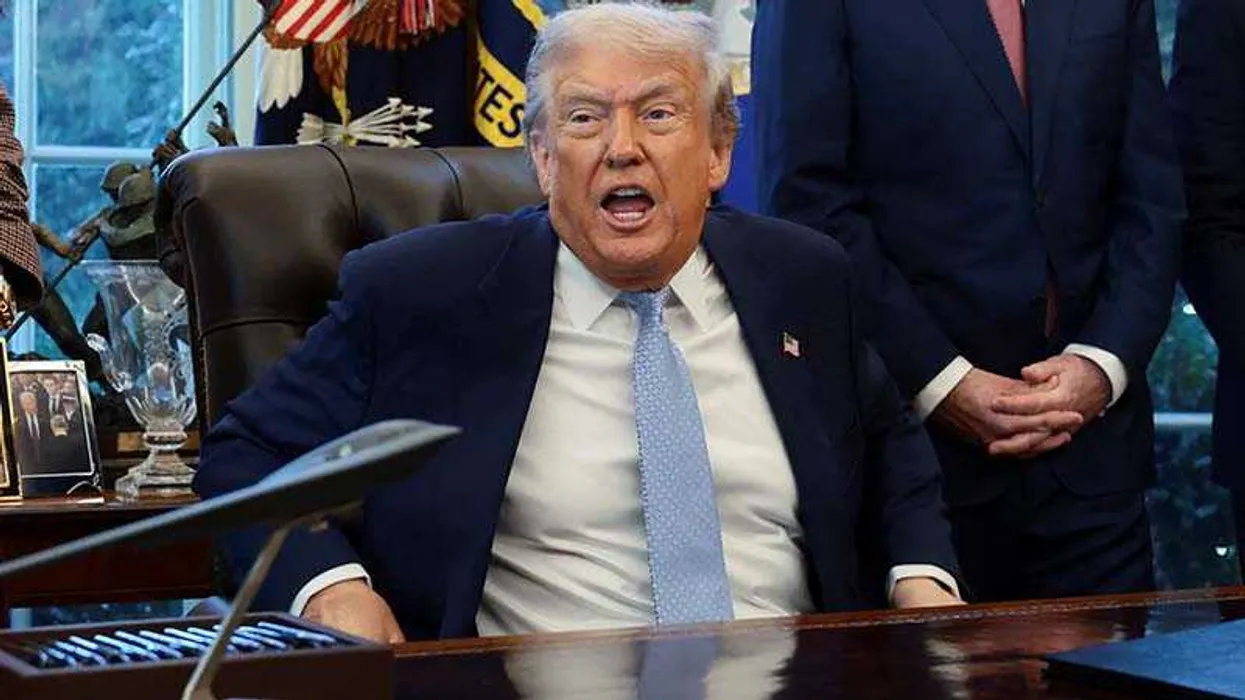
President Donald Trump took to social media late at night to launch a series of personal attacks on two Democratic candidates gaining ground in the weeks before critical congressional elections.
According to a report from The Daily Beast, the 80-year-old president's highly personalized online posts are being interpreted by political analysts as a sign of nervousness over vulnerable seats that threaten the Republican Party's razor-thin control of the Senate. Because the Senate operates on a simple majority, a single-seat swing can determine which party sets the chamber's agenda — a structural reality that gives individual statewide races outsized weight this cycle. The late-night outbursts underscore escalating tension as progressive challengers build momentum in key swing states.
Trump's first target was Abdul El-Sayed, who is running a highly competitive campaign for Michigan's open Senate seat. In a post published close to midnight, Trump declared that the 41-year-old former public health official was a poor choice for the opposition party, deliberately misspelling El-Sayed's middle name as "Mohammed."
The attack follows a broader pattern of recent criticism aimed at El-Sayed, whom the president previously condemned after Fox News provided the candidate with network airtime. The messaging lands at a high-stakes moment for the race, particularly as figures such as former President Barack Obama prepare to hit the campaign trail in Detroit to maximize Democratic turnout, keeping the contest in the national spotlight through Election Day.
Shortly afterward, Trump turned his attention to Texas, taking aim at state Representative James Talarico, the Democratic nominee challenging incumbent Republican Ken Paxton. Labeling the candidate "James TalaFREAKo," Trump claimed Talarico had disappeared from public view and demanded that he agree to an immediate debate.
Trump later reiterated the complaints at a campaign rally in San Antonio, offering an explanation that Talarico had fallen ill after forcing himself to eat beef for political optics. Talarico's campaign promptly clarified that the candidate had simply been recovering from the flu, and Talarico used his own social media presence to officially accept the debate invitation — leaving whether the head-to-head matchup actually gets scheduled as the next development to watch in the Texas race.
The aggressive late-night posts highlight a deepening strategic dilemma for Republican leadership. Challengers such as Talarico and El-Sayed have turned traditional strongholds into expensive defensive battles, with polling averages indicating that the Texas race has unexpectedly tightened in favor of the challenger.
Rather than reinforcing a broad economic message or party platform, the focus on direct insults suggests the GOP is struggling to find a cohesive counter-strategy against charismatic newcomers who are successfully widening the national political map.

