Trump Threatens to Rename Lake Ontario 'Lake America' as Trade War With Canada Escalates
Key Takeaways
- •President Trump threatened Canada with new 50 percent tariffs, prompting Canada to impose retaliatory tariffs of its own that could reach 50 percent.
- •Trump has threatened to rename Lake Ontario as "Lake America," and NOTUS's Dave Levinthal reports the president could likely do so through an executive order and bureaucratic process similar to the Gulf of America renaming.
- •The Great Lakes are jointly managed by Washington and Ottawa under the 1909 Boundary Waters Treaty, so a unilateral U.S. renaming would not alter that binational governance structure or compel foreign compliance.
- •The earlier Gulf of America episode shows uneven compliance, with Florida's Longboat Key keeping its "Gulf of Mexico Drive" signage and Google displaying different names to users in the U.S. and Mexico.
- •Canada, which has hundreds of miles of Lake Ontario shoreline and a province of the same name, is viewed as having almost zero chance of formally recognizing a "Lake America" name.
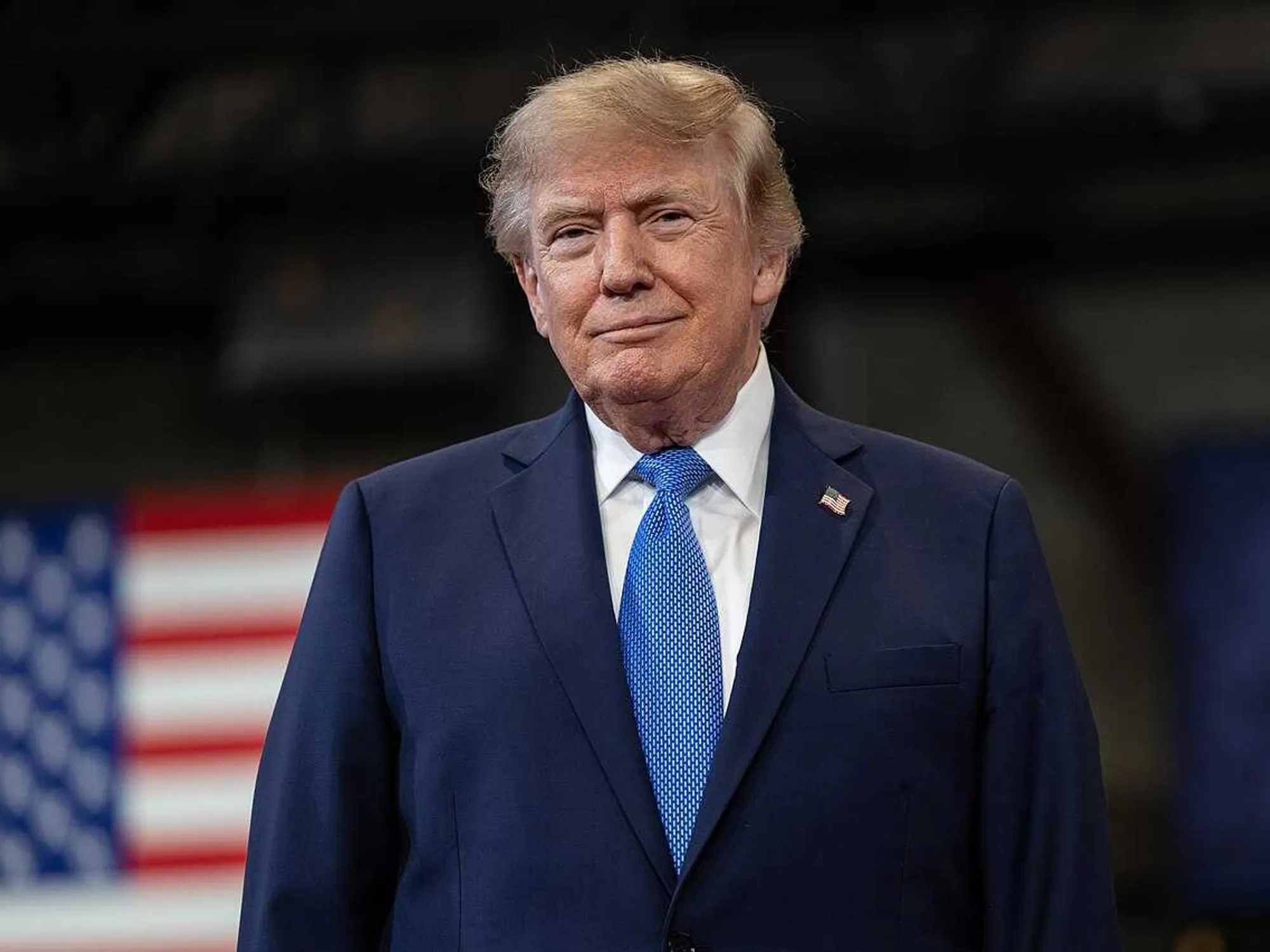
U.S. President Donald Trump's trade war with Canada escalated dramatically when he threatened his northern neighbor with new 50 percent tariffs and Canada fired back with retaliatory tariffs of its own — some of which could be as high as 50 percent. Trump, in response, is angrily railing against Canada and threatening to give Lake Ontario a new name: Lake America.
The target carries added symbolism: Lake Ontario is the easternmost of the five Great Lakes, straddling the New York State shoreline and the Canadian province of the same name — a province whose premier, Doug Ford, has been among the most outspoken Canadian critics of Trump's tariffs.
Trump's threat raises a legal question, according to NOTUS' Dave Levinthal: "Can Trump really do that?" His answer: "Yes, in short."
"But as last year's Gulf of Mexico/Gulf of America brouhaha indicates, when a U.S. president attempts to unilaterally rename a large body of water that touches multiple nations, internal and external drama ensues," Levinthal explains in NOTUS. "That was particularly evident from a tranche of government records NOTUS obtained last year detailing federal government wrangling and arguments over the gulf."
Levinthal notes that the U.S. Board on Geographic Names is responsible for "maintaining uniform geographic name usage throughout the federal government." The U.S. Geological Survey, which is part of the Interior Department, "serves as a lead agency for coordinating renaming requests," he reports. Traditionally, name-change requests are subject to a process of review and deliberation that could take months or years. Trump upended geographic and geological naming conventions when he declared, upon his second inauguration, that he would rename the Gulf of Mexico the "Gulf of America."
"Matters moved quickly: Trump signed an executive order on January 20, 2025, that mandated the 'Gulf of America' change," Levinthal continues. "On February 9, 2025, Trump declared 'Gulf of America Day' in the United States — and also suggested Canada should become the United States' 51st state. The 'Gulf of America' edict caused some internal tumult and logistical hiccups within federal agencies. But officials instituted a de facto media blackout over the process, little resistance emerged, and Trump ultimately got his way, particularly when the federal government's Geographic Names Information System made the official switch."
That same January 20 order also restored the name "Mount McKinley" to North America's tallest peak, which had been officially designated Denali since 2015, and the gulf dispute later spilled into press access when the White House barred Associated Press journalists from events for weeks after the outlet kept "Gulf of Mexico" in its style guidance.
To change Lake Ontario's name, Levinthal writes, Trump "would likely employ a similar executive order and bureaucratic process."
Levinthal points out that while Congress "could also pass a law codifying such a name change," Americans would not necessarily be forced to start referring to Lake Ontario as "Lake America."
"Local jurisdictions have also defied Trump," according to Levinthal. "In Florida, for example, Longboat Key leaders voted to keep the town's 'Gulf of Mexico Drive' and not change signage to 'Gulf of America Drive.'" While some people and jurisdictions in New York might feel compelled or cajoled into making a "Lake America" switch, many others may simply choose to ignore Trump's wishes and maintain their Lake Ontario status quo. The "Gulf of America" experience also suggests that companies producing widely used maps could come to different conclusions on a "Lake America." When the gulf was renamed, Google updated its U.S. maps to "Gulf of America" while continuing to show "Golfo de México" to users in Mexico.
The report also notes that foreign nations do not have to comply with Trump's demand. The Great Lakes are in any case jointly managed by Washington and Ottawa under the 1909 Boundary Waters Treaty, which created the binational International Joint Commission to handle disputes over shared waters — a structure that would be unaffected by any unilateral U.S. renaming.
"There's almost zero chance Canada, with hundreds of miles of Lake Ontario shoreline and a province of the same name, would recognize 'Lake America' in any formal fashion," Levinthal wrote.

