Maggie Haberman Details Trump's Reported 'Trade-Off' of National Security for Financial Gain in Nvidia Ties
Key Takeaways
- •President Trump was briefed on at least two occasions that U.S. intelligence believed Alice Huang, who had a close relationship with Jensen Huang, had been compromised by Chinese intelligence services, and he took no known action either time.
- •Despite the security warnings, Trump publicly praised Jensen Huang and privately encouraged him to fight to keep his job at Nvidia.
- •Trump's defense of Huang reflects Nvidia's massive market share in chips powering artificial intelligence and the president's reliance on AI growth for the U.S. economy's success.
- •Huang's political engagement began after Biden-era export restrictions on chip sales, leading to a growing relationship with Trump and a $500 billion commitment to American manufacturing.
- •Trump's decision to permit Nvidia to sell certain chips to China drew criticism over perceived national security trade-offs and reports of illegal chip diversion, while he now offers input on Nvidia's next CEO.
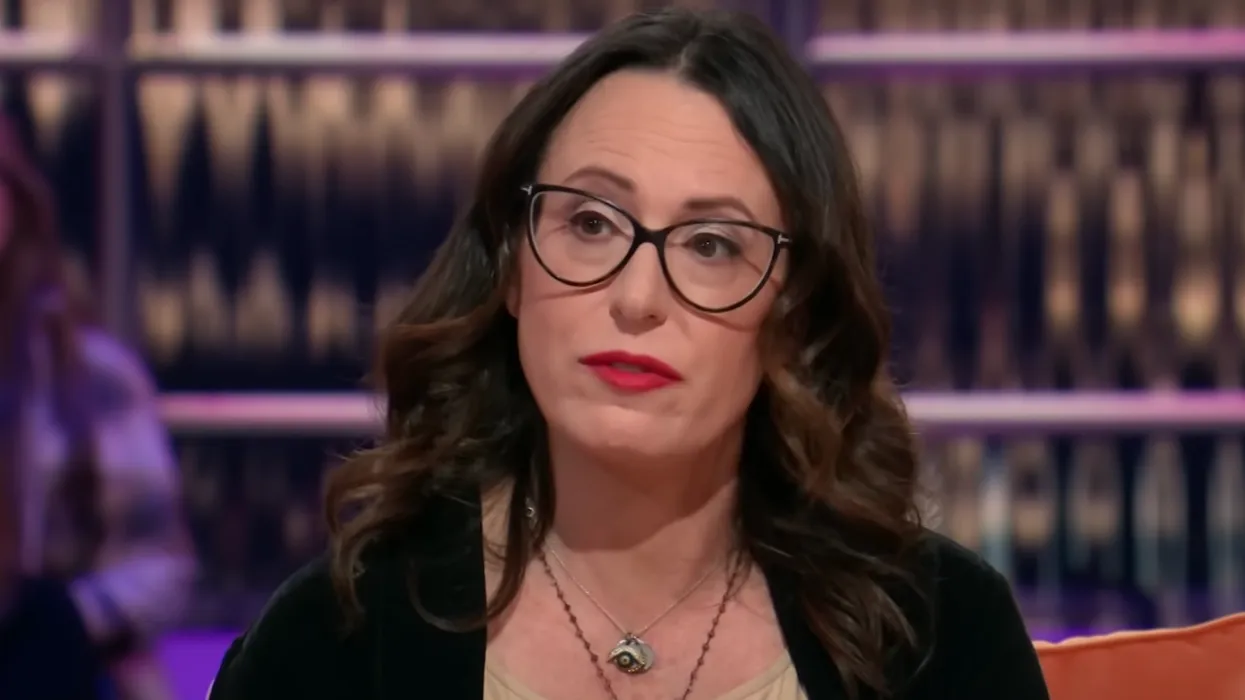
In the fallout from the Nvidia scandal, New York Times White House correspondent Maggie Haberman is examining the strategic relationship between President Donald Trump and former Nvidia CEO Jensen Huang, detailing how the pairing aligned with Trump's ambition to secure the presidency and usher the country into a new era increasingly driven by artificial intelligence.
According to Haberman, the president was twice briefed on national security concerns involving someone close to Huang.
"On at least two occasions, President Trump was briefed by his own advisers that the U.S. intelligence community believed that this woman, Alice Huang, with whom Jensen Huang was having a close relationship, had been compromised by Chinese intelligence services. The president took no action either time that we know of, and in fact, moved to take Jensen Huang with him on a trip to China in May," Haberman says in a new video, What's Behind the Trump-Huang Relationship?.
The account places advanced chip policy at the intersection of the administration's economic agenda and its national security apparatus — the same overlap Haberman explores throughout her reporting.
Instead of acting on the warnings, Trump publicly praised Huang and reportedly spoke with him behind the scenes, urging the chief executive to fight to keep his job.
"Trump's defense of Jensen Huang speaks not to just some personal affection that he has for the chief executive. It speaks to the fact that Jensen Huang's company, Nvidia, has a massive, massive market share of the type of chips used to power artificial intelligence models. And President Trump has banked the success of the U.S. economy and therefore his presidency on the growth of artificial intelligence," Haberman asserts.
That market position is why Washington's decisions on where Nvidia's chips can be sold carry weight well beyond one company: they determine which countries can access the computing power behind AI models, tying commercial licensing directly to questions of national security and economic strategy.
Huang showed little interest in politics prior to the second Trump administration. Per Haberman, that shifted after President Joe Biden restricted the sale of certain chips to certain countries over national security concerns, when Huang saw the benefit of cultivating a relationship with Trump. The relationship grew, and Huang was personally invited to events with the president. He later announced a commitment to $500 billion in American manufacturing while praising Trump at the same time, which gave him a leg up with Trump.
Export controls of that kind have become a key instrument of U.S. technology policy toward China, pulling companies like Nvidia directly into Washington's national security decision-making.
Trump's announcement that Nvidia would be allowed to sell certain types of chips to China sparked backlash, amid existing suspicion that the president was "essentially making a trade-off of national security in exchange for financial gain for the country," Haberman notes. The move was further complicated by rumors that some of these chips were being diverted into China illegally — reports that did not appear to faze Trump or Huang.
"Trump viewed Huang as somebody who was going to help lead the United States into a new frontier of technology," Haberman said.
Trump is now offering suggestions on Nvidia's potential new C.E.O., further solidifying the reported alliance. How the leadership transition unfolds — and whether the security concerns described in the briefings surface in any publicly known action — remains an open thread in a story that now spans economic policy, counterintelligence, and the geopolitics of the chips powering the AI boom.

