Trump Warns Iran and Oman as Strait of Hormuz Tensions Escalate
Key Takeaways
- •Trump demanded Iran's surrender following the expiration of a Memorandum of Understanding deadline and cautioned that Oman would be targeted if it obstructed the reopening of the Strait of Hormuz.
- •The Strait of Hormuz carries roughly a fifth of the world's traded oil and a significant share of global LNG, and past attacks in the area have driven up war-risk insurance premiums and rerouting costs.
- •Oman, which has historically served as a neutral intermediary between Washington and Tehran and hosted contacts preceding the 2015 nuclear accord, has now received a public warning from the US president.
- •Prediction markets now price only a 10.5% chance of a US-Iran agreement restoring normal traffic through the Strait of Hormuz by August 31, down from 12% a day ago and 25% a week ago.
- •Market pricing indicates just a 3.5% probability that the US-Iran 60-day negotiation period will be extended, consistent with stalled talks amid the ongoing conflict.
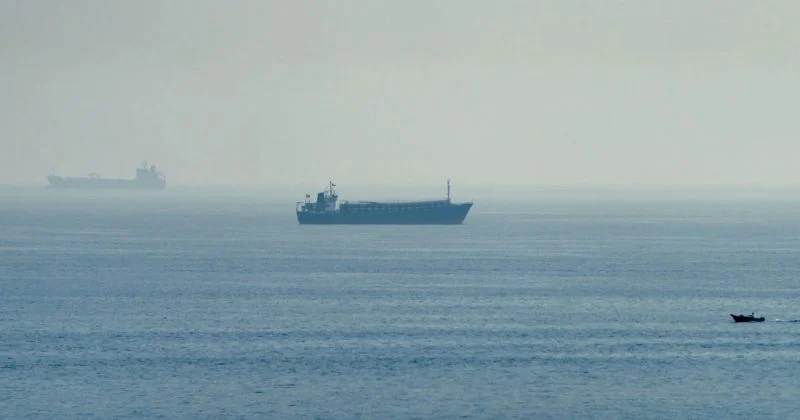
US President Donald Trump has called on Iran to “put up the white flag of surrender” following the expiration of a Memorandum of Understanding deadline. Trump also issued a warning to Oman, stating that the country would be targeted if it obstructs the reopening of the Strait of Hormuz.
The development comes amid escalating tensions in the region. Iran has resumed attacks on ships, while the United States maintains a naval blockade. For the shipping and energy industries, the stakes of any disruption at the Strait of Hormuz are structural: the narrow chokepoint between Iran and Oman carries roughly a fifth of the world's traded oil and a significant share of global liquefied natural gas, including Qatar's exports, and Gulf producers have only limited overland pipeline capacity that can bypass it. Historically, attacks on commercial vessels in the area have translated into higher war-risk insurance premiums and rerouting costs for tanker and LNG operators, which is why shipping lanes around the strait are watched closely as an early indicator of escalation.
The involvement of Oman — a non-combatant mediator in the dispute — suggests a widening of the conflict, and it marks a notable departure from the sultanate's established diplomatic position. Oman has historically served as one of the few neutral interlocutors between Washington and Tehran, having hosted the discreet US-Iran contacts that preceded the 2015 nuclear accord, which is why a public warning directed at Muscat carries weight beyond a single bilateral dispute.
Prediction markets, which price the probability of real-world events in near real time and typically react quickly to geopolitical headlines, have responded to these developments with a notable decrease in the probability of a US-Iran agreement to restore normal traffic through the Strait of Hormuz by the end of August. Market pricing now suggests only a 10.5% YES chance of such an agreement by August 31, down from 12% a day ago and 25% a week ago. The probability has fallen sharply over the past week, reflecting an increase in perceived risk and a further deterioration of diplomatic channels, as indicated by Trump's ultimatum.
The market for extending the US-Iran 60-day negotiation period has also seen a decrease in confidence, with current pricing indicating a mere 3.5% YES likelihood of an extension. The ongoing conflict and the lack of progress in talks appear consistent with scenarios in which no extension or agreement is reached.
Taken together, Trump's statement and his warning to Oman suggest an escalation in the US-Iran conflict, with market perceptions shifting in line with increased tension and the challenges facing diplomacy.
What to Watch
Observers should monitor any formal statements from the White House or Iran's Foreign Ministry for indications of diplomatic progress or further escalation. A new round of strikes or military engagements in the region could influence market perceptions further. Any mediator actions or announcements from Oman, Qatar, or Pakistan could also signal shifts in the negotiation landscape and affect market pricing.

