Trump's Failed Iran Strategy Pushes Him Into a 'Game of Chicken,' CNN Analyst Says
Key Takeaways
- •President Trump stated that no talks with Iran are occurring or planned, and that the naval blockade remains in effect with the Strait of Hormuz declared open and all water mines removed or detonated.
- •CNN analyst Jim Sciutto argued that neither military action nor economic pressure has forced Iran to negotiate, leaving the United States and Iran in a contest over which side yields to economic strain first.
- •Iran has offset economic pressure by charging fees for passage through the Strait of Hormuz for several months, a waterway that carries roughly a fifth of globally traded oil.
- •New polling shows Democrats hold a 6-point lead over Republicans on which party is better at handling the economy, with 40 percent of voters naming inflation and the cost of living as their top midterm concern.
- •Republican analysts warn the GOP may lose its House majority and possibly the Senate, a risk amplified by the historical pattern of the party holding the White House losing House seats in nearly every midterm since World War II.
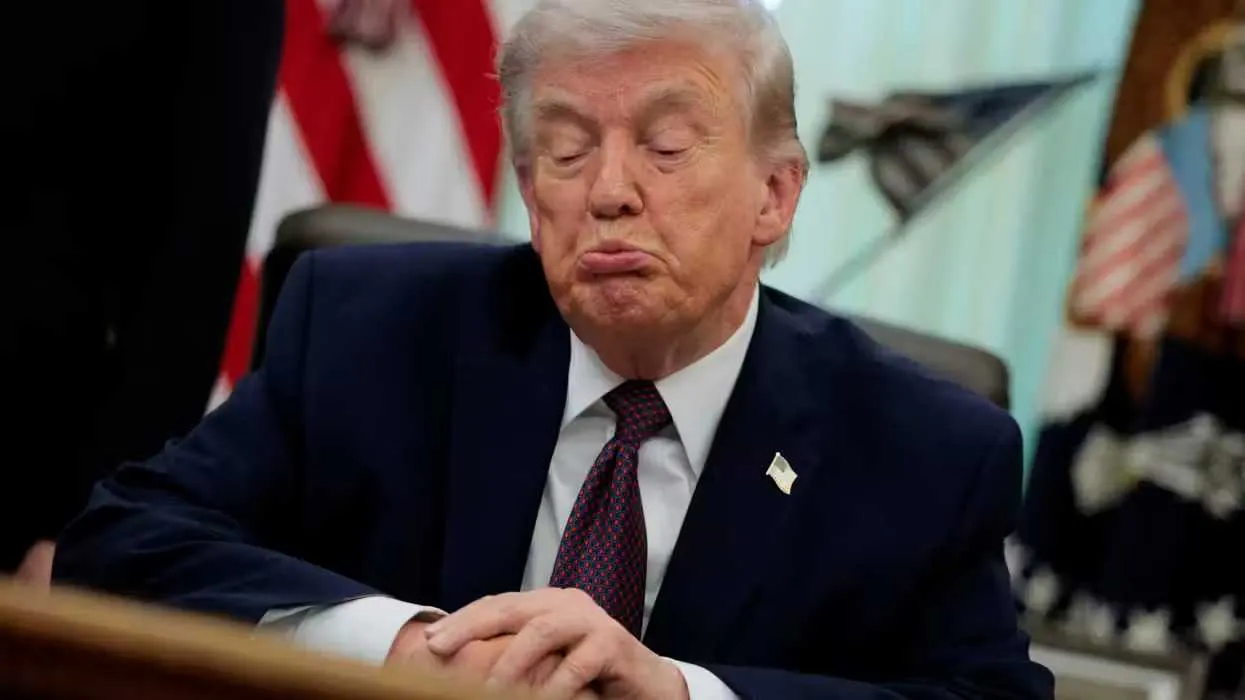
Following President Donald Trump's assertion that negotiations to end the war with Iran have halted completely, he has entered a "game of chicken" that will test how much economic pressure he can withstand, according to CNN Chief National Security Analyst Jim Sciutto, who took to social media to argue that Trump's failures have left him in a tight spot.
Sciutto was responding to a morning post from Trump in which the president declared: "There are no talks or conversations going on, or scheduled, with the Islamic Republic of Iran. The Naval Blockade remains in full force and effect. The Hormuz Strait is open and operating. All water mines have been removed or detonated."
Setting aside the questions many have raised about the accuracy of Trump's assertion that the waterway is "open," Sciutto identified another worrying aspect of the president's statement. "The strategy had been, first, that military action would force Iran to the table and, second, that economic pressure would. Neither has worked so far. Now, the U.S. and Iran enter a game of chicken, in effect, to see who bows to economic pressure first," he wrote.
As Sciutto suggests, the Trump administration has consistently maintained that the Iranian regime would either surrender or collapse under the weight of military or economic pressure. That wager has deep roots in Trump's handling of Iran: in his first term, he withdrew the United States from the 2015 Iran nuclear deal in 2018 and reimposed sweeping sanctions under what his administration branded a "maximum pressure" campaign — an effort that likewise failed to produce a new negotiated agreement with Tehran. Yet the war has dragged on despite Trump's frequent boasts of having "totally destroyed" Iran's military. And while the Iranian people have suffered under the economic consequences, the regime has largely found ways to work around the situation — such as charging fees for passage through Hormuz, a practice it has been leveraging for several months. That leverage carries weight far beyond the Gulf: the Strait of Hormuz is the world's most important oil chokepoint, with roughly a fifth of globally traded oil transiting it, one reason the waterway's status carries economic stakes for the United States and its allies.
Now that Trump is in an economic game of chicken, he faces another problem. Iran is an authoritarian state in which the government faces no political pressure to concede. Trump, by contrast, leads a democracy in which the midterms are approaching fast and Republicans are absorbing voter frustration over the economic catastrophe caused by the war. New polling shows Democrats hold a 6-point lead over Republicans on the question of which party is better at handling the economy — a major reversal of past perceptions.
That is bad news for Republicans. The poll found that 29 percent of voters rate the economy and jobs as their top midterm issue, while 40 percent say inflation and the cost of living are their most pressing concerns. Another 18 percent identified the war with Iran as their top priority. The numbers also land against an unfavorable historical pattern: since World War II, the party holding the White House has lost House seats in nearly every midterm election. The findings have fueled growing anger toward the GOP, prompting Republican analysts to warn that the party may lose its majority in the House — and possibly even the Senate — which would result in a massive check against Trump's agenda.

