Trump Dismisses Iran Conflict as 'Small Potatoes,' Defends Vance's Refusal to Call It a War
Key Takeaways
- •Trump defended Vice President Vance's position that the Iran conflict does not amount to a war, calling it "small potatoes" and a military conflict.
- •The conflict that began February 28 has cost U.S. taxpayers more than $37.5 billion and left 18 U.S. service members dead.
- •Iran fired at Kuwait, a U.S. Gulf ally hosting thousands of American troops, on Thursday in retaliation for U.S. strikes earlier in the week.
- •The U.S. and Israel have conducted only air strikes in the conflict and have not deployed ground troops into Iran, according to Trump.
- •The characterization dispute is politically and legally sensitive because the engagement is open-ended and authorized without a new congressional declaration of war, ahead of the November midterm elections.
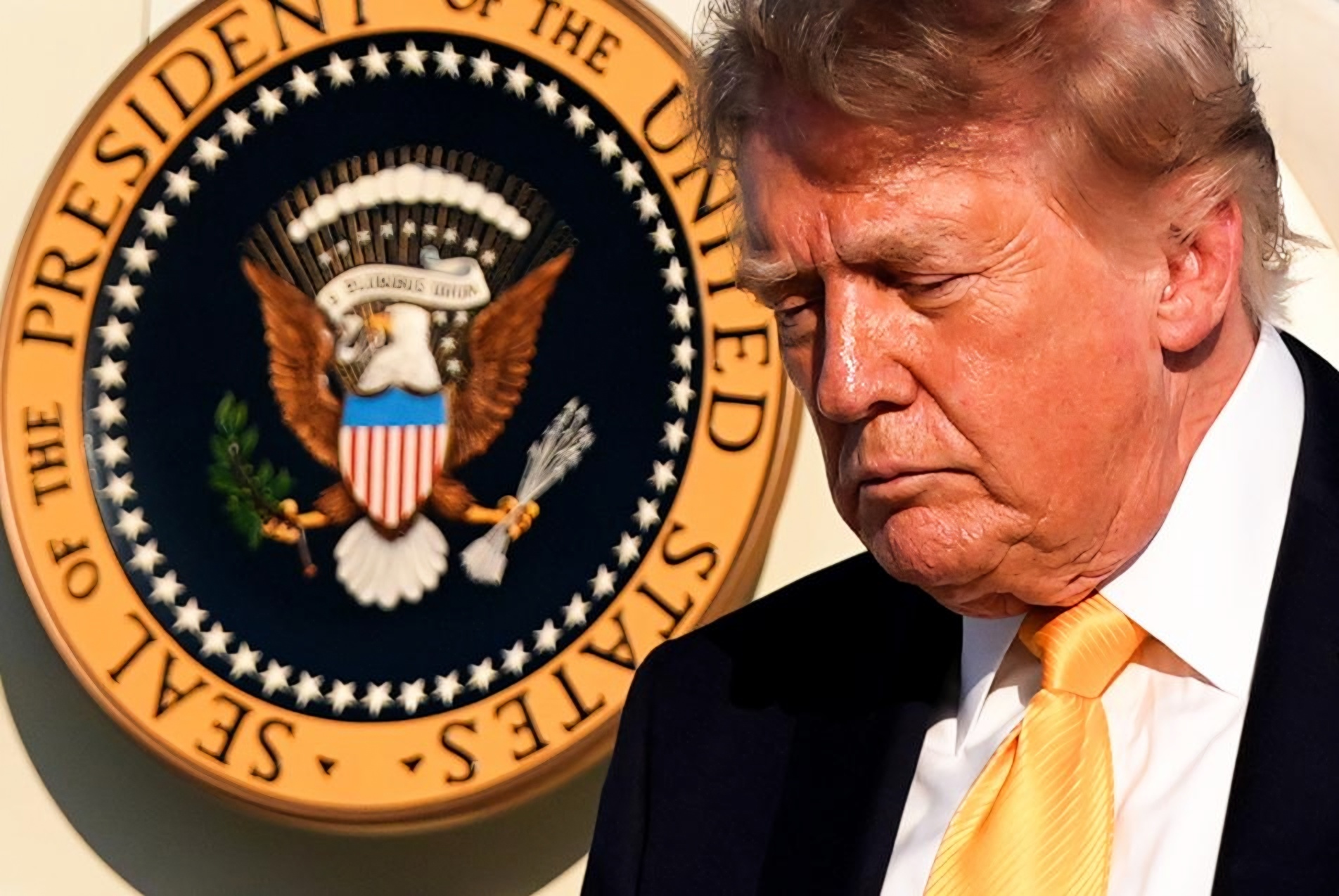
WASHINGTON — U.S. President Donald Trump said Friday that the conflict in Iran is "small potatoes" as he defended Vice President JD Vance, who asserted a day earlier that months of on-and-off attacks in the Middle East do not amount to a "war."
Asked about Vance's comments during an Oval Office exchange with reporters, Trump said U.S. strikes on Iran are now "intermittent" and that "a lot of people don't call it a war." The conflict, which began Feb. 28, has cost U.S. taxpayers more than $37.5 billion and left 18 U.S. service members dead.
"I can understand what he's saying," Trump said of his vice president. "I call it a military conflict because it's small potatoes for us. It's not a big thing."
At a White House press briefing on Thursday, Vance rejected the use of the word "war" to describe the U.S. fighting with Iran and steered clear of predicting that the 6-month-old conflict would be over by November's midterm elections, in which Republicans are trying to hold on to their narrow majorities in Congress. The framing dispute comes at a politically sensitive moment: how the administration characterizes the fighting shapes public perceptions of an open-ended engagement authorized without a new congressional declaration of war, an issue that has long put presidents in tension with the 1973 War Powers Resolution.
"I wouldn't call it a war," Vance said when asked whether the fighting could end before voters cast their ballots in the Nov. 3 elections. "Right now, there is no active shooting."
Vance's assertion came even as Iran fired at U.S. Gulf ally Kuwait on Thursday in retaliation for rounds of U.S. strikes on Iran earlier in the week. Kuwait, which hosts thousands of U.S. troops as part of the American military posture in the Gulf, has repeatedly been caught in the crossfire of escalation between Washington and Tehran.
Trump also argued in Friday's exchange that the U.S. death toll in the Iran conflict is relatively low compared with other recent U.S. wars. He noted that the U.S. and Israel have only carried out air strikes in the Iran war and have not deployed troops into the country.
"We did Venezuela and we did this. In Venezuela, we lost nobody," said Trump, referring to the January U.S. military operation to seize former Venezuelan President Nicolás Maduro and bring him to New York City to face federal drug trafficking charges. "And this, we lost 18 people. And, in Vietnam we lost 100,000 people. And in other conflicts, we lost tens of thousands of people."
According to records from the U.S. National Archives, a total of 58,220 members of the U.S. armed forces died during the Vietnam War. The comparison underscored the extent to which the White House is framing the Iran conflict as a limited, air-power-only campaign rather than a protracted ground engagement, a distinction that has legal as well as rhetorical significance for how Congress and the public judge the operation.
When a reporter pressed Trump on describing the conflict as "small potatoes" given that 18 U.S. service members have been killed, the president responded by reiterating his argument that the conflict — which he said at the outset would last a matter of weeks — had led to the defanging of Iran's nuclear program.
"Iran will not have a nuclear weapon because if they did you probably wouldn't be standing here," Trump said.
Source: The Korea Times
