Trump’s Ukraine policy raises impeachment questions amid Starshield cutoff
Key Takeaways
- •Russia fired 39 ballistic missiles at Ukraine’s energy infrastructure during an expected ceasefire period, while roughly 600,000 people in Kyiv reportedly lost power.
- •Ukraine reported losing access to Starshield, SpaceX’s military satellite communications service, on the same night as the Russian attack.
- •Reuters cited two US officials and a Western official who said the order limiting Ukraine’s satellite communications came from inside the White House.
- •The article links reduced Russian diesel exports and attacks on refining capacity to near-record diesel prices and broader cost pressures.
- •The commentary says the Starshield episode could contribute to a wider impeachment argument, while acknowledging that the available reporting does not establish the decision’s purpose or coordination.
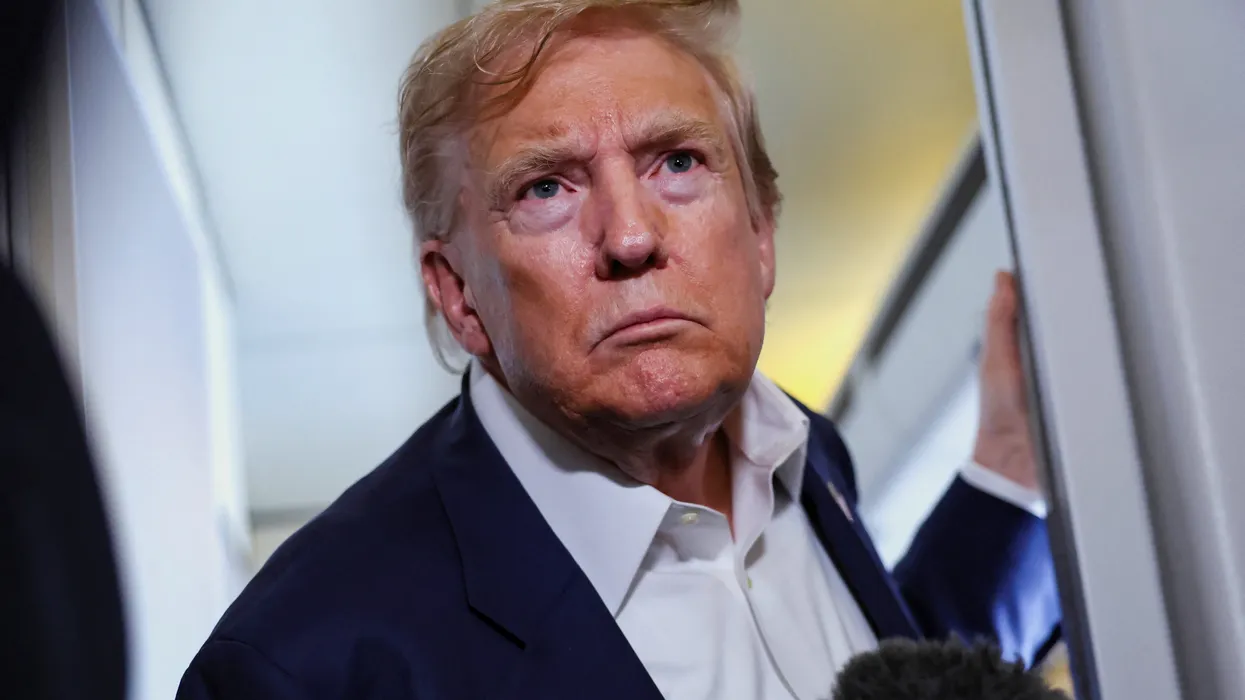
Questions about a possible new impeachment case involving Donald Trump are emerging over his administration’s handling of Ukraine, according to commentary published by Alternet. The central issue, the article argues, is whether Trump interfered with Ukraine’s sovereign right to exist by undermining President Volodymyr Zelenskyy’s war effort.
Trump’s first impeachment, in 2019, involved his request that Zelenskyy help him politically defeat Joe Biden. A new case, the article says, could focus on events surrounding Ukraine’s military communications and the administration’s dealings with Russia.
On Wednesday, Russia attacked Ukraine’s energy infrastructure during what was expected to be a ceasefire arrangement. The assault included 39 ballistic missiles, reportedly the highest number used in a single attack since Russia’s 2022 invasion. The New York Times reported that approximately 600,000 people in Kyiv lost power, raising renewed concerns about access to heat during the coming winter. The Times’ report is available at
That same night, Ukraine’s defense ministry said it had lost access to Starshield, SpaceX’s military version of Starlink and an important communications tool for battlefield operations. The Times reported that the disruption had not initially been explained. Because the network is paid for by the Pentagon, Ukrainian officials reportedly believed the restrictions originated in the White House.
By Thursday, two US officials and a Western official told Reuters that an order to limit a satellite system used by Ukraine for battlefield communications and drone operations had come from inside the White House. Reuters published its report here:
The dispute is also unfolding amid concern over diesel supplies and prices — costs that ripple through trucking, farming and home heating. Russia finances its war in part through diesel sales, while Ukraine has targeted Russian refining capacity. The resulting reduction in global supply has contributed to higher diesel prices and increased costs more broadly, putting additional pressure on Trump and the Republican Party as voters confront a cost-of-living crisis.
A self-described “hardcore Republican” in Georgia told MS Now: “Out of any president I’ve ever lived under, I’ve hurt more under Trump than any other president. Fuel prices, beef prices. I mean, he’s cutting our throats.”
The article attributes much of Trump’s political difficulty to what it calls his illegal war against Iran and Iran’s response by restricting traffic through the Strait of Hormuz, the narrow passage at the mouth of the Persian Gulf that carries a large share of the world’s oil. At the same time, commodities researcher Rory Johnston said Ukraine’s attacks were also affecting diesel prices. “Russia is normally the world’s second largest diesel exporter, shipping around 1 million barrels per day,” Johnston said. “Today, they’re barely above 100,000 barrels per day. That loss of Russian diesel has absolutely helped drive diesel prices to their current near-all-time-highs.” Johnston’s X post is available at https://x.com/Rory_Johnston/status/2111086142049103985?s=20.
The Associated Press reported that Trump announced Russia would supply more than 300,000 tons of diesel, followed by an additional 500,000 tons in November and 1 million tons “immediately thereafter.” Russia would also deliver another 3 million tons, according to the AP report:
The article estimates that the total of 4.8 million tons would represent about nine days of US supply and argues that it would have little effect. It questions why Trump lifted restrictions that had been in place for six years, saying the United States and Ukraine received no clear benefit and that Russia made no concession, according to the Times.
Those circumstances, the article argues, raise questions about whether someone in the White House ordered the Starshield restrictions on the same night Russia launched its largest ballistic-missile barrage against Ukraine since the invasion. It asks whether the decision was coordinated with another party and what its intended purpose was, while acknowledging that the available reporting does not establish the answers.
The article concludes that the episode could become part of a broader impeachment argument involving Trump’s role in US foreign policy and Ukraine. It presents that argument as especially significant amid the affordability crisis and Trump’s reported political tensions, including discontent among Republicans. Whether the White House or Pentagon offers a fuller public accounting of the Starshield order — and whether Congress pursues the questions raised — remains an open thread. Rachel Bitecofer’s related X post is available at https://x.com/RachelBitecofer/status/2111122526667678182?s=20. The original Alternet article is available at https://www.alternet.org/trump-ukraine-impeachment/.

