Trump Administration Explores Regulated U.S. Version of Hyperliquid via Kraken's Bitnomial
Key Takeaways
- •The Trump administration and the CFTC are working on bringing Hyperliquid to the U.S. through a separately regulated, compliant product rather than registering its global platform.
- •The proposed structure involves Kraken parent Payward and its CFTC-regulated subsidiary Bitnomial, which Payward acquired in May.
- •Bitnomial self-certified a Hyperliquid U.S. dollar spot contract with the CFTC in April, showing regulated HYPE-linked products are feasible.
- •The U.S. offering would offer fewer markets and lower leverage than Hyperliquid's global platform, creating a two-tier structure.
- •Regulatory hurdles remain, as both the CFTC and SEC may need to update custody and market structure rules, a process that could take up to a year.
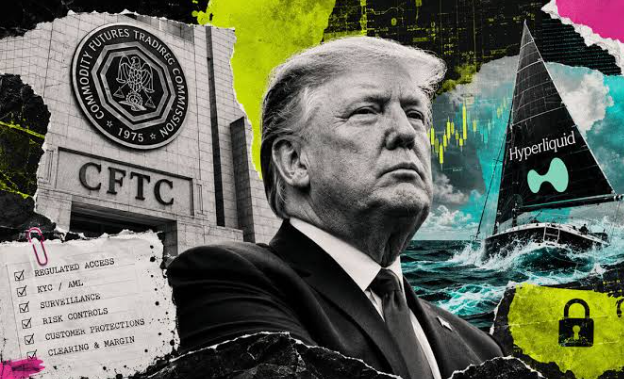
President Donald Trump's administration is exploring a route for Hyperliquid to enter the U.S. market through a separately regulated product, rather than opening the protocol's existing global trading venue to American users.
According to information published by @coinbureau, Trump said last month that the Commodity Futures Trading Commission (CFTC) was working to bring Hyperliquid into the United States "in a fully compliant and legal fashion." The proposed structure would involve Kraken's parent company, Payward, and its CFTC-regulated subsidiary Bitnomial.
The interest in a compliant U.S. on-ramp is notable because Hyperliquid, a decentralized exchange known for its on-chain perpetual futures trading and its HYPE token, currently serves a global user base without U.S. regulatory registration, leaving American traders without a sanctioned way to access its markets.
Bitnomial Could Provide the Regulatory Infrastructure
Under the proposed arrangement, the U.S. product would be built around Hyperliquid's technology and market infrastructure but would operate separately from the permissionless global venue. Bitnomial would supply the regulated exchange and clearing framework, while U.S. customers would be subject to applicable identification, custody and compliance requirements.
The structure aligns with steps Payward has already taken. The company completed its acquisition of Bitnomial in May, giving the Kraken parent control of a U.S. derivatives platform holding a Futures Commission Merchant, Designated Contract Market and Derivables Clearing Organization. Acquiring regulated derivatives entities has become a common route for crypto firms seeking U.S. market access under the CFTC framework.
Bitnomial has also already filed a CFTC-certified product tied to Hyperliquid. In April, the exchange self-certified a Hyperliquid U.S. dollar spot contract, demonstrating that regulated products linked to the HYPE ecosystem can be introduced through the existing U.S. derivatives framework.
U.S. Traders Could Face Fewer Markets and Lower Leverage
The main trade-off would be market access. U.S. users would not receive the same range of markets or leverage available through Hyperliquid's global platform; instead, the domestic offering would have to operate within U.S. regulatory requirements.
The proposal could therefore create a two-tier structure: a broader offshore venue alongside a more restricted, compliance-oriented U.S. product. That approach would allow American traders to gain regulated exposure to Hyperliquid-related markets without requiring the existing global platform to become a U.S.-registered venue. A parallel can be drawn with Coinbase's acquisition of the Deribit derivatives exchange, another case of a major crypto platform buying regulated infrastructure to expand its derivatives offerings.
Regulatory changes remain a significant hurdle. Reporting has indicated that both the CFTC and the Securities and Exchange Commission could need to address rules governing custody and market structure, with the process potentially taking up to a year.
The next key question is whether U.S. regulators will approve a structure that preserves enough of Hyperliquid's trading model while satisfying domestic requirements for investor protection, custody and market oversight.
Writer: Victoria Hale, Technology & Blockchain Writer. Victoria Hale writes about blockchain technology, digital infrastructure, and the intersection of emerging technologies with finance. Her articles explore how new protocols and systems are shaping the evolving digital economy. She prioritises clarity and accuracy when explaining technical developments to a general audience.
Source: Hokanews

