Trump Administration Pushes Congress to Delay Intoxicating Hemp Ban Amid Ties to Chief of Staff's Son-in-Law
Key Takeaways
- •The Trump administration is pressing Congress to delay a ban on intoxicating hemp products that is currently set to take effect November 12, with the proposed delay included in a stopgap spending measure.
- •The postponement could financially benefit Bret Worley, CEO of multiple intoxicating-hemp-product companies and the son-in-law of White House Chief of Staff Susie Wiles.
- •At least eight Republican senators oppose the provision, with Senator Ted Budd announcing plans to introduce an amendment stripping it from the bill.
- •The intoxicating-hemp industry grew rapidly after the 2018 Farm Bill legalized hemp, allowing manufacturers to synthesize psychoactive compounds like delta-8 THC that bypass state-level cannabis regulations.
- •Senator Mitch McConnell, described as an influential supporter of the ban, is currently absent from Congress and hospitalized amid health concerns.
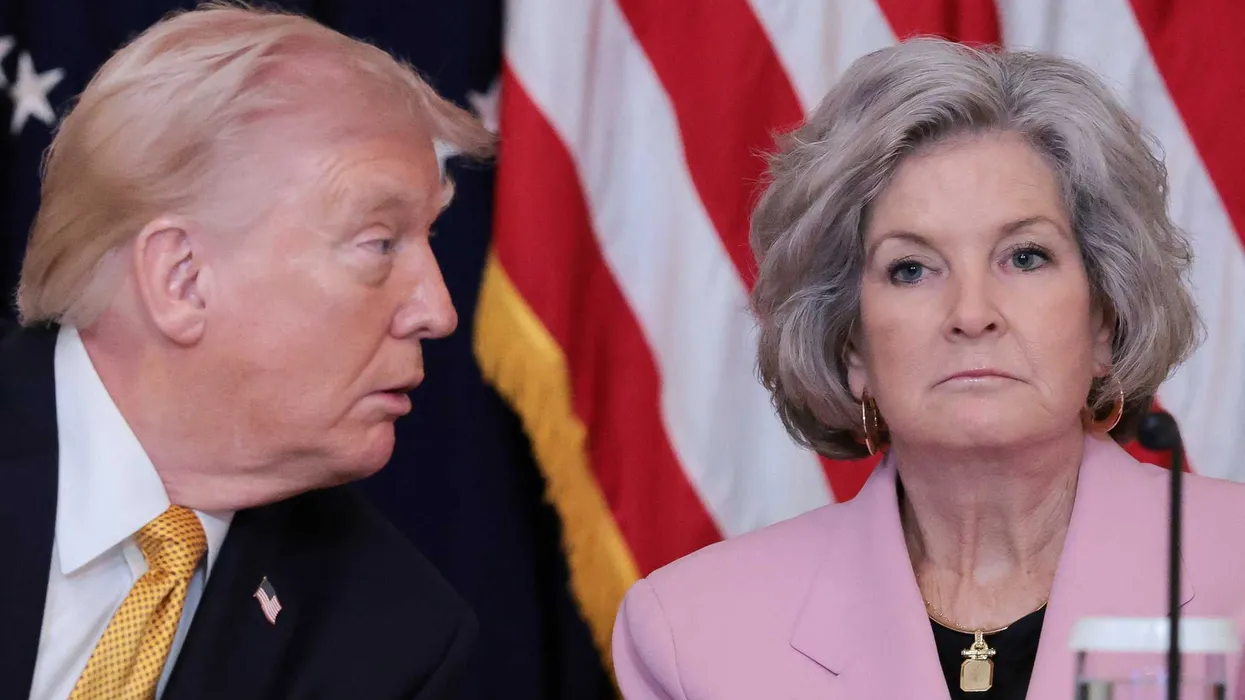
The Trump administration is pressing Congress to postpone a looming ban on intoxicating hemp products — a delay that reporting indicates could directly benefit the son-in-law of White House Chief of Staff Susie Wiles.
According to the New York Times, "Under pressure from the administration, senators tucked the delay into a stopgap spending measure they are working to pass this week in an effort to head off a government shutdown at the end of September. The proposal has touched off an internal fight in Congress, with some senators balking at the idea of rolling back restrictions meant to address a public health risk, and could derail an agreement to quickly approve the spending bill. But its inclusion in the bill reflects the success of a hemp industry influence campaign to avoid new regulations."
Among the leading figures of that campaign is Bret Worley, who recently married Wiles's daughter at the Trump Winery in Charlottesville, Virginia. Worley serves as CEO of multiple companies involved in the distribution and sale of intoxicating-hemp-derived gummies and vapes.
White House spokesman Kush Desai stated that Worley and the lobbying effort had no bearing on the administration's willingness to ease drug regulations. However, Kevin Sabet, who has advised on drug policy under both Republican and Democratic administrations, told the Times that the White House's backing of the delay exemplified "pay-to-play drug policy," where decisions "are a result of lobbying, not of the evidence."
The Times further reported: "Intoxicating hemp, which is less regulated than marijuana and alcohol, has gained popularity in recent years as a pain reliever and an alternative to other intoxicants. While hemp is sometimes referred to as 'weed light,' the Food and Drug Administration has warned of potential adverse effects, including difficulty breathing and coma. The restrictions in question, which are set to take effect on Nov. 12, would target intoxicating hemp products containing threshold amounts of T.H.C., the main psychoactive compound in cannabis. That would effectively outlaw a multibillion-dollar industry of beverages, gummies, cookies and vapes that are sold in gas stations, vape shops and convenience stores that are not regulated like cannabis dispensaries."
The intoxicating-hemp market emerged after the 2018 Farm Bill federally legalized hemp — defined as cannabis containing less than 0.3 percent delta-9 THC — which manufacturers exploited to synthesize psychoactive compounds such as delta-8 THC from legally grown hemp. Those products circumvented the state-level licensing, testing, and age-gating requirements that govern licensed cannabis dispensaries, fueling rapid growth in unregulated retail channels.
If the Senate spending bill is approved, the embedded delay would push the ban's enforcement back to December 11. The White House contends the postponement is necessary to "ensure the fair treatment of hemp products." Susie Wiles herself has visited Capitol Hill to encourage lawmakers to support the bill, though Desai maintains she "has never lobbied in favor of this or any other position on hemp with Capitol Hill."
The Times notes that "when senators announced a bipartisan spending agreement on Sunday that would keep the government funded through Dec. 11, the delay in enacting restrictions on intoxicating hemp products was one of the few extraneous items included."
Worley did not respond to a request for comment. The industry, however, has reportedly celebrated the provision as progress toward permanent legalization. One of Worley's companies boasted in a client email about having a "seat at the table," declaring that "industries that get inside that machinery get renewed."
Several senators have raised concerns about the provision. Senator Ted Budd (R-NC) announced on Monday that he plans to introduce an amendment to strip it from the bill. "I have made it clear to the White House and my colleagues in the Senate that any action to delay" the restrictions "will endanger both the wellness and safety of Americans," Budd said in a statement.
By Wednesday, the number of Republican senators opposing the provision had grown to eight. Notably, Senator Mitch McConnell (R-KY), described by the Times as an "influential proponent" of the ban, is absent from Congress and hospitalized amid circulating health concerns.
