Wall Street Journal Cites Trump's Own Campaign Statements in Rebuke of New H-1B Fee Plan
Key Takeaways
- •A judge previously ruled the proposed $100,000 H-1B hiring fee was an unconstitutional tax imposed without Congressional approval, and the administration is now attempting to reimpose it under a different law.
- •The Wall Street Journal editorial board said the plan contradicts Trump's 2024 campaign rhetoric, in which he supported expanding the foreign talent pipeline and proposed automatic green cards for foreign graduates.
- •The board cited National Foundation for American Policy data showing foreigners make up roughly 75% to 80% of full-time graduate students in AI-related fields.
- •The editorial argued that smaller businesses and startups could struggle to afford the fee and compete with Big Tech for foreign talent.
- •Companies such as Nvidia, Google, OpenAI, and SpaceX were founded in part by immigrants, according to the board.
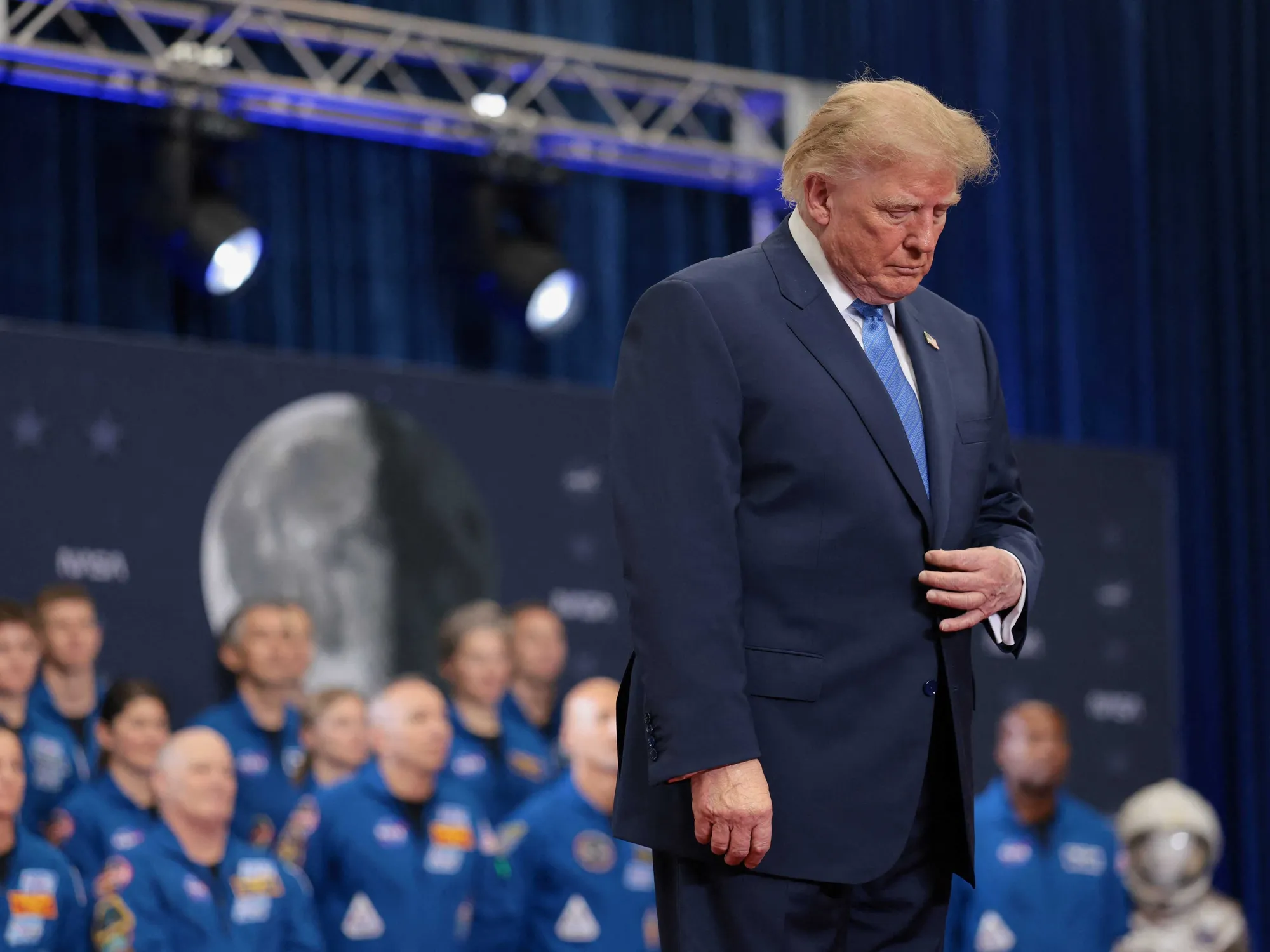
President Donald Trump is attempting once again, by executive decree, to impose large new fees on businesses that hire foreign workers — a move that directly contradicts his own campaign messaging, the Wall Street Journal editorial board wrote on Friday (WSJ opinion).
The administration had previously proposed a $100,000 fee on businesses for hiring workers under H-1B visas, which are used for high-skilled immigrants such as tech workers. A judge struck down that proposal as an unconstitutional tax imposed without Congressional approval, but the administration is now seeking to re-impose the fee under a different law (Raw Story coverage). The legal dispute touches on a longstanding constitutional constraint: revenue-raising measures generally require action by Congress, and the earlier ruling underscored the limits of using executive authority to impose charges that function as taxes.
Trump's supporters have argued the fee would free up more jobs for American workers, but the editorial board contended it would in fact be damaging. "Businesses invest heavily in training U.S. workers, but colleges are educating too few graduates with particular skill sets that employers need — e.g., cyber-security and robotics," the board wrote. The board also cited data from the National Foundation for American Policy indicating that "foreigners account for roughly 75% to 80% of full-time graduate students in AI-related fields." The debate over H-1B fees comes as the visa program has long been a flashpoint between business groups, which rely on it to fill specialized roles, and critics who argue it displaces U.S. workers — a divide that has intensified amid the AI talent race among major technology firms.
The board further noted that the plan represents a complete reversal from Trump's 2024 campaign rhetoric — one of the few positions he took that favored immigration. "Mr. Trump during the 2024 campaign backed expanding the foreign talent pipeline," the board wrote. At the time, Trump said foreign students at American universities "should get automatically as part of your diploma a green card," because "you need brilliant people."
By contrast, the board wrote, the current Department of Homeland Security plan "amounts to a tax on businesses that often bring in brilliant people."
The board concluded: "smaller businesses and startups might struggle to afford the tax and would have a harder time competing for foreign talent against Big Tech companies. Many of America's great companies, including Nvidia, Google, OpenAI and SpaceX, were founded in part by immigrants. Why does the Administration want to keep out the next Elon Musk?"
