Trump's Betrayal of Senate Republicans Unintentionally Empowers Them to Defy Him
Key Takeaways
- •Senators John Cornyn and Thom Tillis helped derail Trump's nomination of Todd Blanche as permanent Attorney General after Blanche refused to formally disavow a financial arrangement that directed funds to political supporters and guaranteed IRS audit protection.
- •Trump's earlier decision to oppose Cornyn and Tillis in their primaries effectively removed any political leverage he held over them, freeing them to vote against his nominees without fear of electoral consequences.
- •Blanche had been serving as acting Attorney General since Trump dismissed Pam Bondi, having previously been confirmed as deputy attorney general after working as Trump's personal defense attorney.
- •Blanche may continue in his acting role under federal vacancies law while Trump considers renomininating him once Cornyn and Tillis are replaced by senators perceived as more loyal.
- •Political analysts warn that Trump's strategy could falter if Republicans lose Senate seats in the midterm elections, which would further complicate confirmation efforts for future nominees.
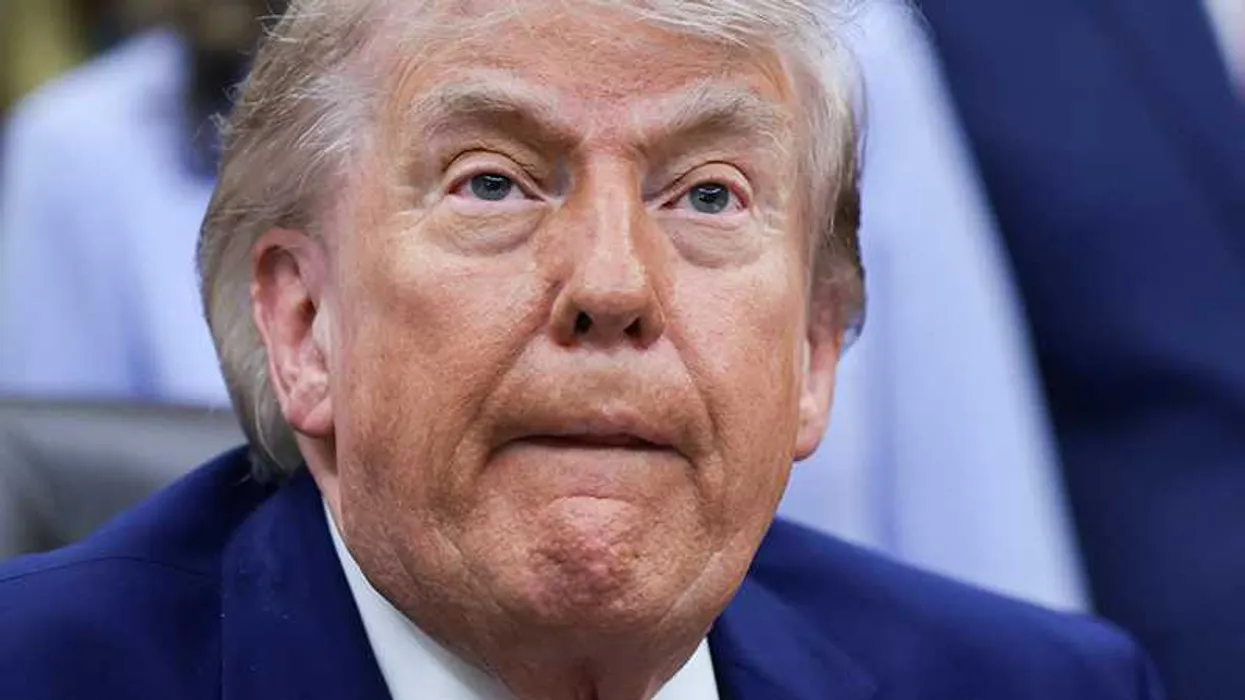
President Donald Trump has alienated several Senate Republicans by endorsing their primary rivals. His political targets include Sens. John Cornyn of Texas, Thom Tillis of North Carolina, and Bill Cassidy of Louisiana. In doing so, he aimed to replace those lawmakers with alternatives he views as more loyal. Yet, as political journalist Patrick Reis pointed out, the president has also inadvertently liberated these same lawmakers to defy him with impunity, given that they no longer face reelection. It is a political irony that has occurred in past presidential administrations when term-limited or retiring senators have felt freer to buck their party's leader, but here Trump himself created the dynamic by working to unseat members of his own conference.
This dynamic explains why the first two men on that list recently helped tank Trump's nomination of acting Attorney General Todd Blanche to permanently assume his post. The Senate's constitutional role in confirming nominees has historically been treated by majority parties as largely deferential to a president of their own party, making public breaks like this one relatively rare.
"After Trump fired former AG Pam Bondi, Blanche—who had already been confirmed as deputy attorney general after serving as Trump's personal defense attorney—stepped into the role in an acting capacity," wrote Slate's Patrick Reis on Thursday. "He proceeded to even further facilitate Trump's use of the Justice Department as a branch of the White House dedicated to punishing the president's political opponents."
Reis added, "That fealty was enough for Trump to nominate Blanche to the position permanently. In days gone by, that would have been a done deal: Republicans control the upper chamber responsible for advice and consent on Trump's nominees and are far from fond of saying no to the president."
However, Cornyn and Tillis reportedly objected to Blanche's role in creating a $1.776 slush fund for his political supporters, as well as arranging guaranteed protection from future IRS audits. When Blanche refused to swear in writing that the self-dealing agreement was no longer in effect, Cornyn and Tillis balked at confirming him.
"Trump ended both Cornyn's and Tillis' political careers earlier this year by refusing to back them in their primaries," Reis wrote. "(Cornyn lost to the mega-MAGA challenger Ken Paxton, Tillis just said To hell with this and retired.) Now that they have no careers to lose, Cornyn and Tillis suddenly find themselves more willing to defy the president."
It is likely that Trump plans to simply renominate Blanche for the full-time job next year, when he hopes to retain control of the Senate and have Cornyn and Tillis replaced with more compliant substitutes. In the meantime, Blanche can continue serving in an acting capacity under federal vacancies law, which permits temporary appointments without Senate confirmation for a limited period.
"That plan could backfire, however, if Republicans lose the Senate in the midterms, or even if they see their margin get slimmer," Reis pointed out. He added that voters can interpret the current situation as meaning that "our Justice Department, which is supposed to have some modicum of independence from the White House, will continue to be run by someone who sees his job as satisfying Trump's every whim," since Blanche will retain his position in an acting capacity.
"And, as my colleague Jim Newell pointed out a few weeks ago, Trump's ultimate leverage in getting Blanche confirmed is the threat to pick someone even worse," Reis said. "Our Senate, on the other hand, is showing signs of becoming slightly less supine, though so far those are limited to Republicans with nothing left to lose."

