Trump administration blocks France’s ambassador appointment in dispute tied to Charles Kushner
Key Takeaways
- •Macron chose Aurélien Lechevallier to replace Laurent Bili as France’s ambassador to Washington before Bili’s scheduled term ended.
- •The United States has reportedly withheld approval of Lechevallier’s appointment amid broader tensions involving Charles Kushner’s conduct in France.
- •U.S. officials allegedly sought removal of a French diplomatic mission’s social-media post that they considered offensive.
- •France rejected the deletion request and proposed a separate message praising shared U.S.-French human-rights values instead.
- •The appointment remains unresolved, with Macron still supporting Lechevallier despite limited interest in Paris in pursuing the nomination.
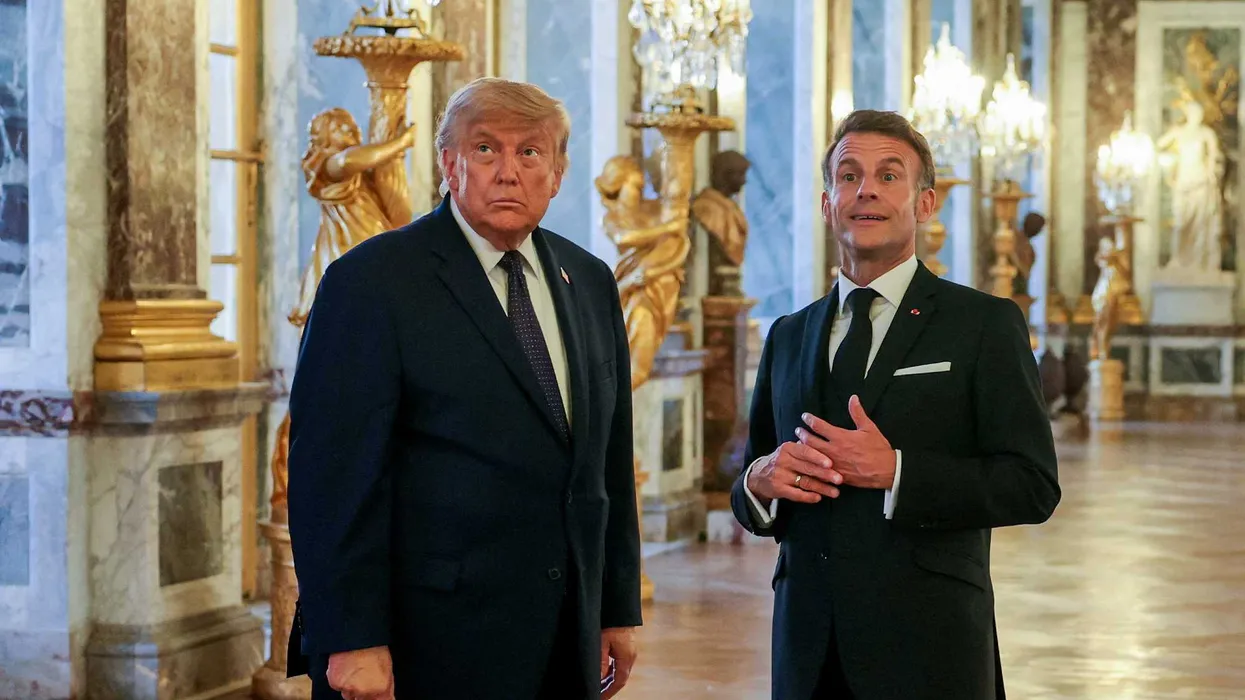
The administration of President Donald Trump is refusing to approve an ambassadorial exchange with France, Puck News reported on Friday, describing the dispute as a “very French” scandal. Puck News reported that the dispute involves France’s incoming ambassador to Washington and Charles Kushner, the U.S. ambassador to France and Jared Kushner’s father.
The dispute emerged after French Ambassador Laurent Bili hosted an open house following a major renovation of the French Embassy in Washington. After leading a tour for Washington journalists, Bili unexpectedly announced that he would soon leave the French foreign service, even though his term was not scheduled to end until next year.
French President Emmanuel Macron had decided to replace Bili early with Aurélien Lechevallier, who serves as chief of staff to the French foreign minister. Puck described Lechevallier as part of Macron’s inner circle of officials who followed him into power. He was scheduled to begin his post on September 20.
However, Lechevallier’s appointment is now in limbo. A French source told Puck reporter Julia Ioffe that his close relationship with Macron made him “an easy mark.” Lechevallier has reportedly told people in Paris that Trump is “flummoxed by the war in Iran” and calls Macron while desperately seeking advice.
“Flattery always works in the end,” the source said. “And he’s very, very good at flattery.”
The dispute is also connected to Kushner’s previous dealings with the French government. According to the report, Kushner was twice summoned for reprimands over allegations that he used his diplomatic position to interfere in French politics. On one occasion, he publicly criticized Macron and offered U.S. asylum to French Jews, but did not attend the meetings arranged to address the matter. French Foreign Minister Jean-Noël Barrot subsequently threatened to exclude Kushner from meetings with French officials. Lechevallier was Barrot’s chief of staff at the time.
“The U.S. embassy here in Paris has been pretty good at Trump administration sociology,” a Paris source told Ioffe. The source said Kushner “has been doing a pretty good job at targeting someone who’s pretty close to Macron,” adding, “That’s where they’re reading our system properly. They’ve practiced nepotism so much that they know what it looks like when they see it.”
The private dispute later moved to social media. Two French sources said the U.S. State Department would not approve Lechevallier’s appointment unless the “French mission to the U.N. in Geneva” deleted a tweet that American officials considered offensive. The post had already gone viral, and French officials rejected the request. They instead proposed issuing a new tweet praising the United States for sharing values concerning human rights.
Two months later, no such tweet had been posted. Diplomatic sources told Ioffe that France did not appear particularly interested in fighting for Lechevallier’s appointment. They also considered the nomination late because Macron is a lame-duck president with limited time remaining in his administration. Macron, however, has not backed down.
The episode leaves the planned change in France’s ambassadorial representation in Washington unresolved, with the proposed replacement, the requested social-media response and a possible direct appeal by Macron all still part of the dispute. People in Paris are now wondering whether Lechevallier is waiting for Macron to raise the matter directly with Trump. Members of the diplomatic corps, meanwhile, are unhappy with the treatment of Bili after his many years of service.

