Trump Family Could Face Depositions in $10 Billion BBC Lawsuit, Lawyers Say
Key Takeaways
- •Trump filed a $10 billion defamation lawsuit against the BBC in a Florida federal court over its 2024 documentary about the January 6 Capitol riots, alleging extensive economic harm to his brands.
- •Legal experts say Trump's family members could face depositions and be required to hand over communications with the president as part of the discovery process.
- •A federal judge temporarily paused an order that would have compelled Trump to disclose financial business interests held by his family trust.
- •The scope of discovery will depend heavily on whether Trump's amended complaint separates reputational injury from economic damages or continues to tie personal reputation to business value.
- •The lawsuit is part of a broader pattern of defamation litigation Trump has pursued against major media organizations, including a $15 million settlement from ABC News in 2024.
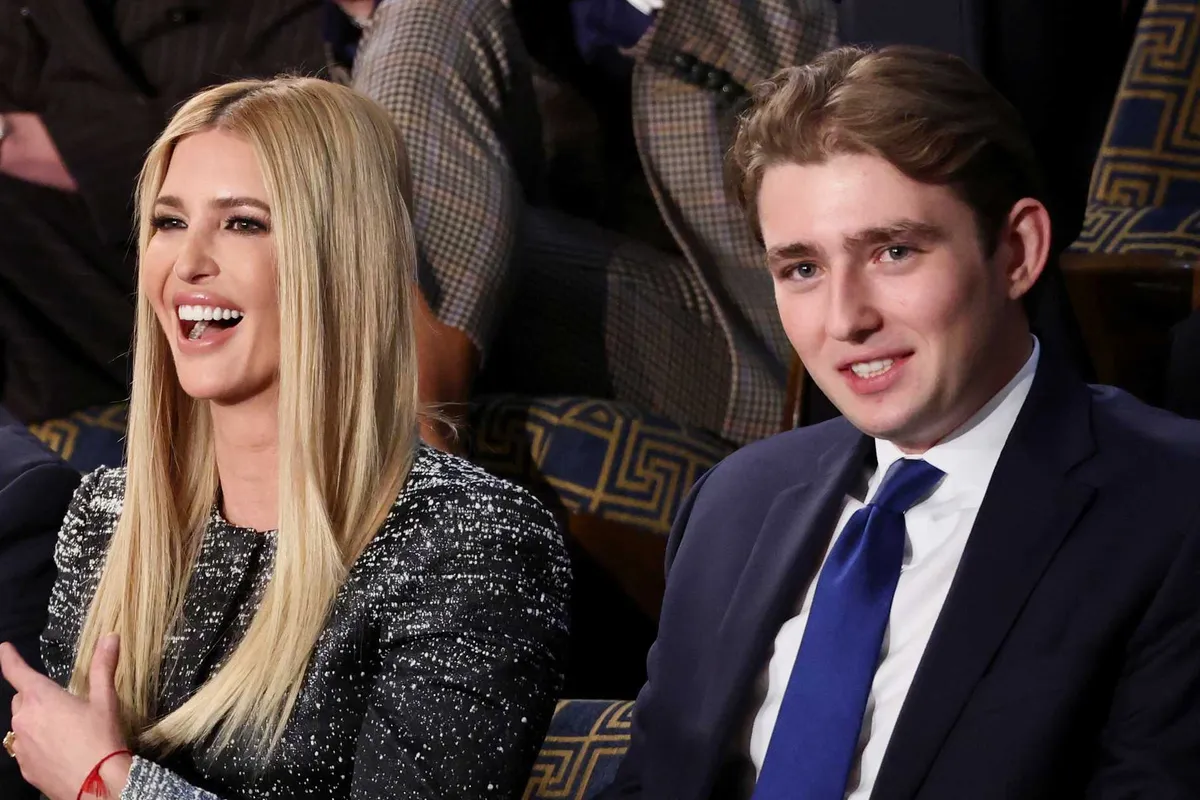
Members of President Donald Trump's family could be compelled to testify and hand over communications as part of a looming $10 billion lawsuit against the BBC, legal experts told Newsweek.
Trump sued the BBC for defamation and unfair trade practices over its 2024 documentary about the January 6, 2021 Capitol riots. The BBC has denied the president's allegations. The suit, filed in federal court in Florida, seeks one of the largest damage awards ever pursued by a U.S. public figure against a major news organization.
In his complaint, Trump argued that the documentary caused "extensive economic harms" to his various brands. The BBC responded by asserting it would need access to his financial records to evaluate whether the complaint had merit. The exchange underscores a recurring tension in high-profile defamation cases: plaintiffs who claim commercial damage often face broad discovery obligations that can open private financial details to scrutiny.
Last week, U.S. District Judge Royaltman temporarily paused an order that would have required Trump to disclose financial business interests held by his family trust.
Media lawyer Deanna Shullman told Newsweek that Trump's family members may be required to produce communications with the president and could face depositions. "I think it is fair game," she said.
Howard Wasserman, a law professor at Florida International University, agreed with that assessment. "There should not be anything sacrosanct about them," Wasserman said. "They are potential non-party witnesses with knowledge of the business, just like many people, including members of the parties' families."
The case now hinges on whether a forthcoming amended complaint can separate Trump's alleged reputational injury from his business interests, Shullman and Wasserman told Newsweek.
"If the amendment disclaims all economic damages and really just focuses on mental health or emotional distress damages, the president may be successful in avoiding that discovery," Shullman said.
However, she added it would be "very tricky" for Trump to shield his finances if the amended complaint ties his personal reputation to his brand in any way.
"I think it is quite possible that the family members will still have very relevant information about President Trump's damages," she said. "They may also have relevant information about other issues in the case, truth being one of them."
The lawsuit is part of a broader pattern of litigation Trump has pursued against major media outlets. In 2024, ABC News agreed to a $15 million settlement to resolve a defamation case Trump filed over a television interview, and he has also filed suit against CBS News and the Des Moines Register. Public-figure defamation claims in the United States generally require plaintiffs to prove that a publisher acted with "actual malice"—knowledge of falsity or reckless disregard for the truth—a standard established by the Supreme Court in New York Times Co. v. Sullivan. Legal observers will be watching whether the amended complaint narrows Trump's damages theory and how broadly the court permits discovery into family business communications.

