Trump Administration Fights to Withhold Kennedy Center Messages as Court Showdown Continues
Key Takeaways
- •The Trump administration is claiming executive privilege to keep hundreds of messages related to the Kennedy Center takeover and planned closure out of public view.
- •Att for Rep. Joyce Beatty have asked U.S. District Judge Christopher Cooper to order disclosure of the communications to establish how directly Trump was involved in the closure decision.
- •The disputed records include 19 texts between Kennedy Center CEO Matt Floca and Trump executive assistant Natalie Harp, with 11 sent on September 15, the same day the board voted for a third time to shut down the facility.
- •Approximately 180 messages between Floca and Commerce Secretary Howard Lutnick, whom Beatty's lawyers describe as Trump's go-between, are also part of the withheld records.
- •The closure is planned as a two-year renovation estimated to cost up to $257 million, and the judge has required 30 days' notice before any major changes to the building.
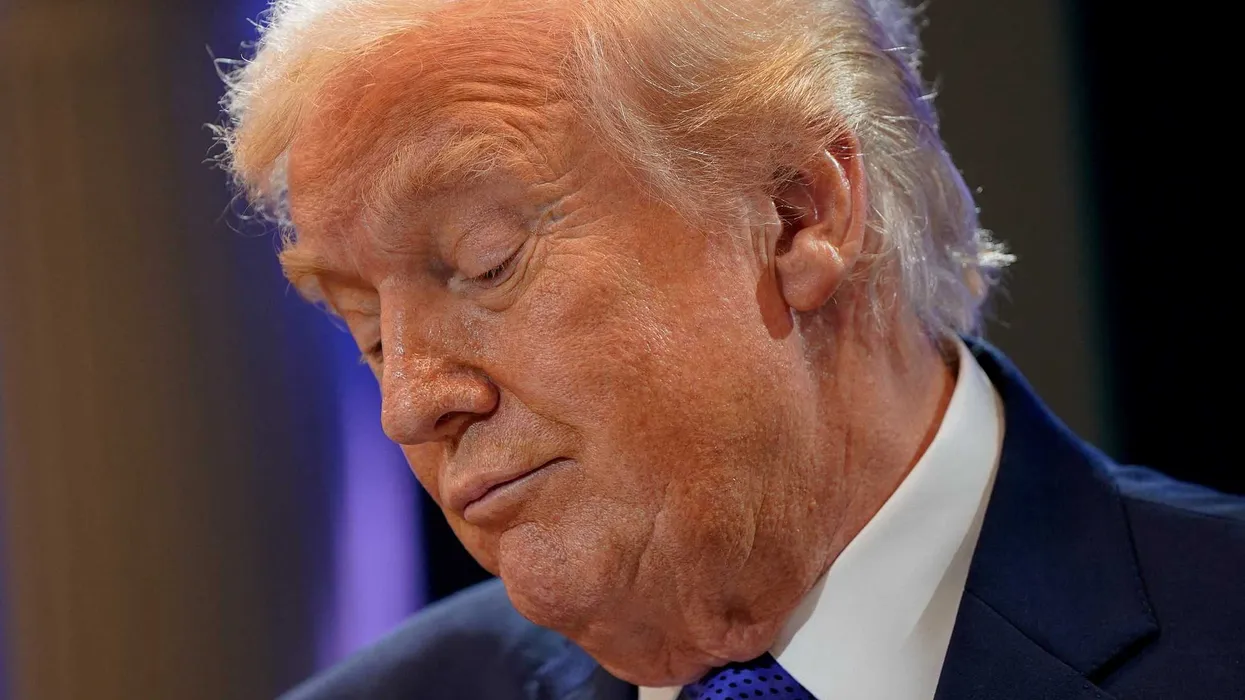
President Donald Trump's administration is seeking to keep hundreds of messages related to its takeover of the Kennedy Center out of public view, as a new federal court showdown unfolds over the president's plan to shut down the landmark venue.
Attorneys for Rep. Joyce Beatty of Ohio have asked a judge to compel the Trump administration to release all of the communications — including text messages and emails — in order to establish how directly involved Trump was in the decision to close the performing arts center for renovations.
The administration contends that some of the messages are protected by executive privilege, according to The Daily Beast. Beatty's lawyers counter that withholding the records would leave the case incomplete. How the court resolves the privilege fight will determine whether the contents of those messages ever become public — and with them, potentially, an answer to the involvement question at the center of Beatty's request.
"These communications directly bear on the issues before the Court, and the claim of privilege cannot stand," Beatty's attorneys wrote, also characterizing the move as possible "gamesmanship."
The court filing shows that 19 text messages were exchanged between Kennedy Center CEO Matt Floca and Natalie Harp, Trump's executive assistant. Eleven of those messages were sent on September 15 — the same day the center's Trump-aligned board voted for a third time to shut down the facility.
The disputed records also include approximately 180 messages between Floca and Commerce Secretary Howard Lutnick, whom Beatty's lawyers describe as Trump's "go-between."
According to the team, the communications could reveal whether Trump himself was driving the decisions, including the planned two-year closure for renovations estimated to cost as much as $257 million. Beatty's team is also disputing the administration's executive-privilege claim and is asking U.S. District Judge Christopher Cooper to order the disclosure.
The dispute is the latest in a series of legal setbacks for Trump in his efforts to rename and remodel the building. In May, Cooper ruled that the president's name had been illegally added to the Kennedy Center and ordered its removal.
The board then approved the shutdown of the center again in September, with Floca announcing its temporary closure later that month. The judge, however, ordered officials to provide 30 days' notice before making any major changes to the building.
Trump has previously suggested to the press that the building could be demolished if he does not make major changes.
"Because frankly, if we don't do that, it's going to close; it will end up being ripped down," he said.
He has also argued that he deserves to have his name on the building.
"For the Trump administration, for me, to get involved, and to take on long term, and to carry it, or to raise to carry it, I think that the Trump administration should certainly have recognition," Trump said in September.
For now, the center remains closed, and the judge has yet to rule on whether the Trump administration will be forced to release the messages. The pending decision will shape the next phase of the case: an order compelling disclosure would give Beatty's team the records it says could show how directly Trump was involved, while a ruling for the administration would keep those messages out of the case. In the meantime, any major change to the building remains subject to Cooper's 30-day notice requirement.

