Trump's Election Fraud Playbook Collides With a Problem He Can't Fix
Key Takeaways
- •The U.S. Supreme Court ended the Justice Department's lawsuit against California election officials that sought to set aside roughly 20,000 mail ballots federal authorities believed were cast by noncitizens.
- •A federal judge dismissed the DOJ's Alaska case, which aimed to withhold certain ballots in the state's Senate race if Republican Dan S. Sullivan was defeated.
- •Democrats have won 54 Senate seats so far, recording double-digit victories in states including Texas and Georgia with margins largely outside the margin of error.
- •The AFL-CIO has sued the DOJ to block its demands that state and local officials segregate disputed ballots under threat of prosecution if those ballots are counted.
- •The DOJ sent letters to 20 Alaska Democrats warning of a potential federal investigation into donor fraud and instructing them to retain certain records.
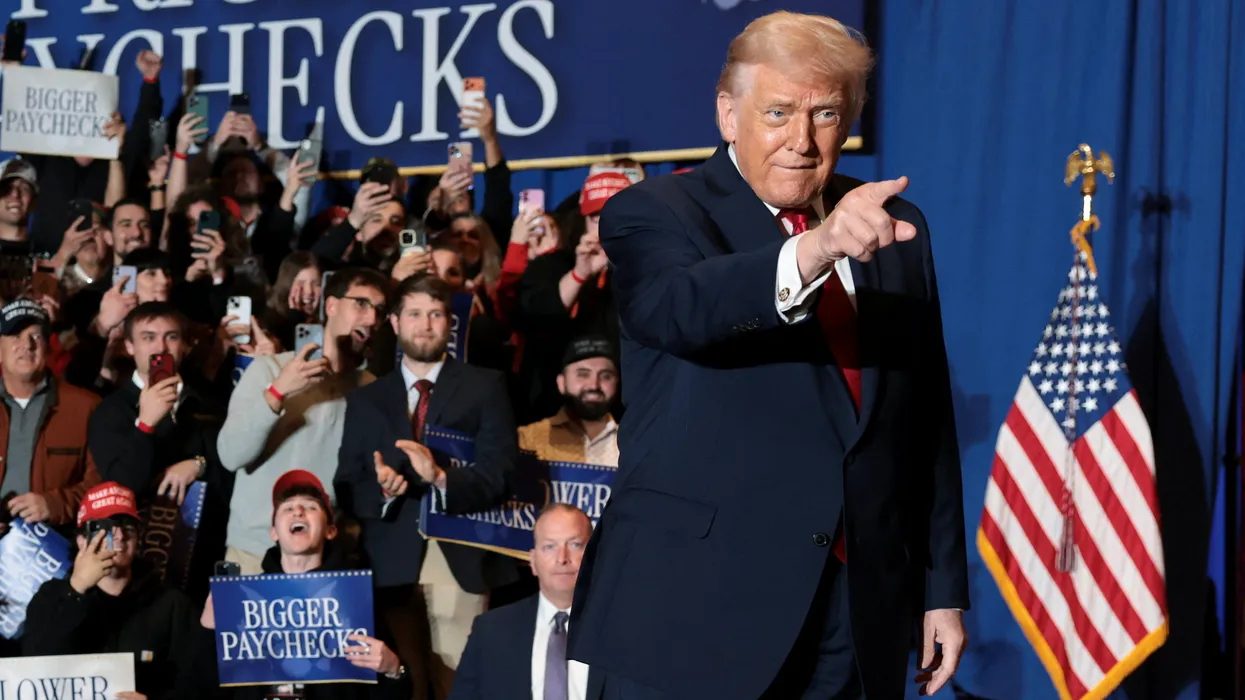
President Donald Trump and his administration spent months attempting to influence the electoral process across multiple states, but this year's blue wave proved so large that, in Trump's own words, it was "too big to rig."
The two most significant legal challenges mounted ahead of the midterms have now effectively collapsed, according to Slate. On Monday, the U.S. Supreme Court ended the Department of Justice's lawsuit against California election officials, which argued that they must set aside roughly 20,000 mail ballots federal authorities believed were cast by noncitizens. One day earlier, a federal judge dismissed the DOJ's Alaska case, which sought to withhold certain ballots in the state's Senate race in the event that Republican Dan S. Sullivan was defeated. In nearly every instance in which the DOJ has sued states for access to their voter rolls, the federal government has come up short.
Some election-related disputes persist, with a handful of major Senate races and House seats still undecided. The AFL-CIO has filed suit against the DOJ, seeking to block its demands that state and local officials segregate disputed ballots under threat of prosecution if those ballots are counted. How courts handle that challenge will help determine whether federal authorities can enforce such segregation demands against state and local election officials going forward.
In Alaska, the DOJ sent letters to 20 Democrats warning that they could become targets of a federal investigation into donor fraud and conspiracy, and instructing them to retain certain records. Joyce Vance, the former U.S. attorney for Alabama's Northern District, questioned the logic of such prosecutions in a post on her Substack, noting that the Alaska Supreme Court has already ruled that both Dan Sullivans could appear on the ballot.
None of this approaches the scale of the aftermath of the 2020 presidential election, the report notes. Since Tuesday night, the president and his allies have been notably more restrained. Charles Stewart III of MIT offered a likely explanation for the lower-key approach: "these intellectual wars, election administration wars" are failing to deliver political or strategic results.
Should the Trump administration or Republican candidates contest the tight Senate races in Mississippi or Alaska, "the heavy hitters of both the Democratic and Republican parties, with respect to legal talent, will not be spread thin," Stewart told Slate. "I think it will be much easier for attacks on the democratic process to be beaten back." Whether those contests materialize is among the key developments to watch as the remaining races are settled.
The numbers support that assessment. Democrats recorded double-digit victories in states including Texas and Georgia, and even in the closest contests, they built comfortable vote margins that largely fall outside margins of error. That presents a mathematical problem for Republicans: Democrats have won 54 Senate seats so far, and once the Senate confirms the results, the Trump administration will no longer have the Republican majority needed to push its legal maneuvers through this time. With a handful of Senate races and House seats still outstanding, the chamber's final composition will decide whether the administration retains the majority its election litigation strategy has relied on.

