Trump's Economic Claims Challenged by Polling Data and Analyst Criticism
Key Takeaways
- •A CNN poll found that 65 percent of respondents believe Trump's economic policies have worsened the economy, while only 22 percent say they have improved it.
- •Nate Silver's polling average places Trump's overall economic approval rating at minus 27.7 percent, a historically significant indicator for incumbent electoral prospects.
- •Economist Dr. Robert J. Shapiro described Trump's economic approach as crony capitalism, alleging that government contracts and tariff preferences are awarded to those with personal influence over the president.
- •Analyst Paul Waldman argues that Trump's campaign promises of immediate price reductions and a tariff-driven manufacturing boom have not been fulfilled.
- •The White House has rejected negative economic analyses, with spokeswoman Taylor Rogers citing U.S. energy dominance as evidence of the administration's success and downplaying reliance on foreign oil.
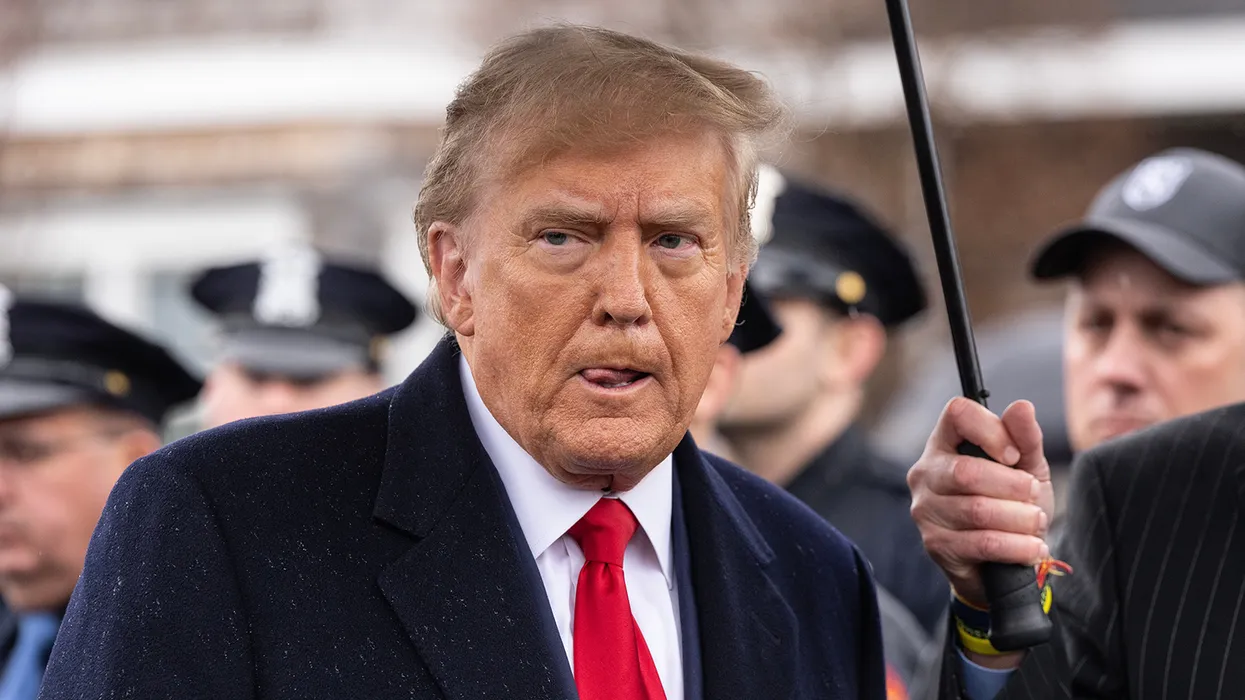
President Donald Trump continues to assert that affordability concerns are a Democratic fabrication designed to damage him politically. However, political analysts argue that his strategy of denying the impact of inflation and wage stagnation on American households is unlikely to succeed.
Paul Waldman, writing for MS NOW on Sunday, noted: "This is the president who got elected because people were mad about inflation, and said on the campaign trail, 'When I win, I will immediately bring prices down, starting on Day One.'" Waldman added, "In the story he told, inflation would disappear (it hasn't), tariffs would bring a manufacturing boom (they haven't), and everyone would thank him for creating such boundless prosperity."
Recent polling data appears to contradict the president's optimistic framing. A CNN poll cited by Waldman found that 65 percent of respondents believe Trump's policies have worsened the economy, while only 22 percent believe they have improved it. Statistician Nate Silver's polling average places Trump's overall approval on the economy at minus 27.7 percent. Economic approval ratings have historically been among the most closely watched predictors of electoral outcomes for incumbent parties, and the gap between macroeconomic indicators such as GDP growth and consumer sentiment has been a recurring feature of post-pandemic political analysis.
"Trump's answer to that disgruntlement is to just tell people they've never had it so good," Waldman observed. He quoted the president boasting that "we had the best economy in the history of our country in my first term" and "we're blowing it away now, despite our little diversion to the lovely country of Iran … the economy is booming."
Waldman argued that economic conditions affect voters directly, making it implausible to convince anyone outside Trump's partisan base to disregard their personal financial experiences. "In a career as a real estate developer, TV personality and purveyor of small-time grifts, the president learned that there is power in lying about the facts and promising the moon," Waldman said. "But an administration can only get away with that for so long. And since people experience the economy in their own lives, the picture the White House paints has to have at least some relationship to reality."
In an interview with AlterNet in July, economist Dr. Robert J. Shapiro — who served as a top adviser under President Bill Clinton — characterized Trump's economic approach as crony capitalism.
"Trump operates with a form of crony capitalism," Shapiro explained. "The people who get US contracts, the people who get preferences on tariffs, are those who have influence with him. It ranges from the absurd — where the guy who did the coating for the swimming pool gets a no-bid contract to do the reflecting pool — to all the other no-bid contracts. That's all crony capitalism. And certainly, opening this up could create more opportunities for that."
When AlterNet sought comment from the White House regarding criticisms of Trump's economy in April, officials rejected the negative analysis.
White House spokeswoman Taylor Rogers stated: "The United States' energy dominance status, as the world's leading producer and a top exporter of oil and natural gas, has positioned us to not rely on the free flow of oil through the Strait of Hormuz like other countries. If anything, Operation Epic Fury actually underscored the importance of producing reliable, affordable, and secure energy here at home. Many of our allies that have tried transitioning to intermittent and unreliable renewable energy sources have predictably failed to break their reliance on foreign oil that goes through the Strait."
Rogers continued: "Several countries from around the world are now looking to emulate the President's energy dominance agenda and are advancing new partnerships that enhance their energy security with the United States."

