Trump Administration Partially Lifts Cattle Import Ban Amid New World Screwworm Threat Ahead of Midterms
Key Takeaways
- •The USDA will reopen an Arizona port to Mexican cattle imports on August 24 and is preparing to reopen two additional ports in New Mexico.
- •Ports along the Texas border will remain closed as officials continue efforts to limit the spread of New World screwworm.
- •The import restrictions have added pressure to a U.S. cattle market already facing the smallest national herd in decades and near-record consumer beef prices.
- •Agriculture Secretary Brooke Rollins said the year-long closure of Southern border ports was necessary to protect the U.S. livestock industry.
- •Texas Governor Greg Abbott declared a statewide disaster in June because of the screwworm threat to wildlife and livestock.
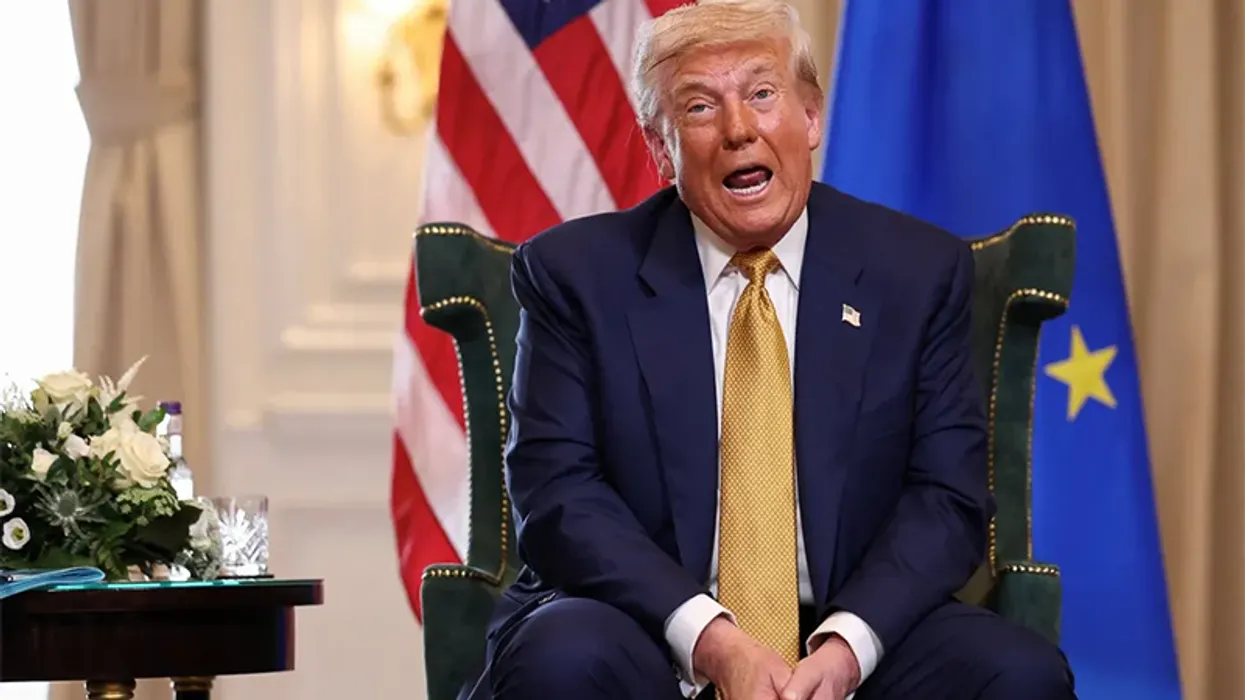
The Trump administration is partially easing its ban on cattle imports from Mexico as the New World screwworm — a flesh-eating parasite that poses a serious threat to U.S. livestock — continues to create economic and political pressure ahead of the midterm elections, according to a Friday night report from Politico.
The New World screwworm is a parasitic fly whose larvae feed on the living tissue of warm-blooded animals, including cattle and other livestock. Infestations can be fatal to affected animals if left untreated. Before eradication, the pest caused substantial losses to U.S. livestock producers, with annual costs historically estimated in the hundreds of millions of dollars. The screwworm was eradicated from the United States in 1966 through a decades-long sterile insect release program — a technique that involves mass-rearing and releasing sterilized male flies to mate with wild females, producing no viable offspring and progressively collapsing the wild population — but has re-emerged in parts of Mexico in recent years, prompting the U.S. Department of Agriculture to restrict cross-border cattle trade.
Mexico has historically been one of the largest sources of imported feeder cattle for the United States, supplying animals raised and finished at American feedlots, particularly in border states. The import restriction has added to supply pressures in a domestic cattle market already strained by the smallest national herd in decades, with consumer beef prices near record levels.
According to Politico, the USDA announced on Friday that it will open a port in Arizona to cattle trade, though the port will not become operational until August 24. The agency is also taking steps to open two additional ports in New Mexico. Ports along the Texas border, however, will remain closed.
The Trump administration is reportedly seeking to lower beef prices ahead of the midterms, a goal that has intensified political pressure from Republicans and the cattle industry to fully resume imports.
Agriculture Secretary Brooke Rollins acknowledged the competing priorities in a statement, noting that she had resisted pressure from Republican lawmakers and industry groups to lift the ban outright.
"Protecting the United States from [New World screwworm] and pushing this pest out of Mexico and back to the Darien Gap is a top priority at USDA," Rollins said. "[The screwworm] has the full attention of the Trump administration."
Rollins defended the year-long restriction on Southern border ports as a necessary measure. "The closure of the Southern ports of entry for the last year has been a tough but necessary action to control the spread of [New World screwworm] in Mexico and protect the American livestock industry," she said, according to Politico.
The Darien Gap, located between Colombia and Panama, has historically served as a natural geographic barrier to the northward spread of the parasite. For decades, a joint U.S.-Panamanian commission has maintained a sterile fly production facility in Panama to hold that barrier line, releasing sterilized flies to suppress any northward advance of the pest.
In Texas, the screwworm threat has already prompted action at the state level. Governor Greg Abbott declared a statewide disaster in early June, citing the spread of the parasite and the danger it poses to the state's wildlife and livestock industry. Texas is the largest cattle-producing state in the nation.
The USDA's phased reopening of import ports represents a balancing act between safeguarding American agriculture from a biologically devastating pest and addressing economic and political pressure to reduce domestic beef prices. Whether additional ports reopen — and whether containment efforts in Mexico can push the parasite southward — will shape the outlook for both cross-border cattle trade and U.S. beef supplies in the months ahead.

