Trump Urges Supporters to Return Mail-In Ballots After Years of Calling Mail Voting Fraudulent
Key Takeaways
- •President Trump posted identical messages on Truth Social urging voters in Florida and Michigan to vote early in person or return their mail-in ballots immediately.
- •The posts represent a notable shift from his years of claiming that mail-in and early voting were major sources of voter fraud.
- •Florida permits any registered voter to request a mail ballot without an excuse, while Michigan adopted no-excuse absentee voting in 2018 and added nine days of statewide in-person early voting in 2022.
- •Trump voted by mail in Florida in 2020, and the Republican National Committee launched its "Bank Your Vote" program in 2023 to encourage GOP voters to cast ballots early or by mail.
- •Attorney General William Barr said in December 2020 that the Justice Department had not uncovered evidence of fraud sufficient to change the outcome of the 2020 election.
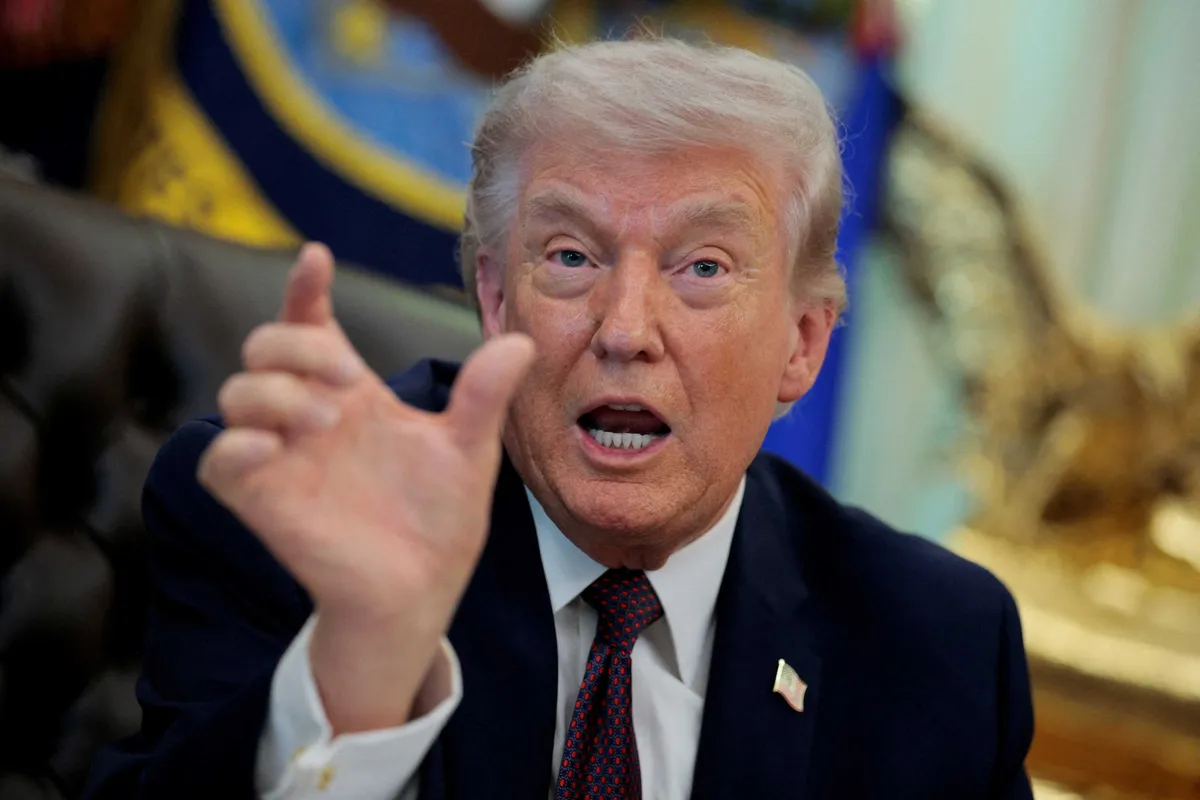
President Donald Trump took to Truth Social on Saturday morning to urge his supporters to turn in their mail-in and absentee ballots and to vote early — a striking reversal after years in which he denounced early voting and mail ballots as a major source of voter fraud.
"FLORIDA!" Trump wrote on Truth Social. "Early Voting, in-person, is UNDERWAY NOW in the Great State of Florida. If you have a mail-in ballot, return it immediately and, if not, GO VOTE at the Polls RIGHT NOW, and get everyone you know to VOTE FOR THE REPUBLICAN IN EVERY RACE, UP AND DOWN THE BALLOT!"
He posted an identical message directed at Michigan: "Early Voting, in-person, is UNDERWAY NOW in the Great State of Michigan. If you have a mail-in ballot, return it immediately and, if not, GO VOTE at the Polls RIGHT NOW, and get everyone you know to VOTE FOR THE REPUBLICAN IN EVERY RACE, UP AND DOWN THE BALLOT!"
Both states offer those options broadly: Florida allows any registered voter to request a mail ballot without an excuse, Michigan voters adopted no-excuse absentee voting through a 2018 ballot measure, and a 2022 constitutional amendment added nine days of statewide in-person early voting there.
The posts mark a notable shift for a president who spent years opposing mail-in ballots. Mail voting surged during the 2020 pandemic election, when a record number of Americans cast ballots without going to a polling place — including Trump himself, who voted by mail in Florida that year. Since then, it has become part of Republican turnout strategy as well: the Republican National Committee launched its "Bank Your Vote" program in 2023, urging GOP voters to lock in ballots early or by mail ahead of Election Day.
RIGGED 2020 ELECTION: MILLIONS OF MAIL-IN BALLOTS WILL BE PRINTED BY FOREIGN COUNTRIES, AND OTHERS. IT WILL BE THE SCANDAL OF OUR TIMES!" Trump claimed in a post on June 22, 2020.
"Take a look at West Virginia—mailmen selling the ballots. They're being sold," he alleged during the presidential debate on Sept. 29, 2020. "Mail ballots, they cheat," he added, asserting that the election was already being "rigged" and falsely claiming, "As far as the ballots are concerned, it's a disaster."
The West Virginia case the president cited did involve wrongdoing: an investigation found that a mail carrier had changed ballots from Democratic to Republican votes, and he was prosecuted for it.
"They're losing 30 and 40 percent. It's a fraud. It's a fraud and it's a shame," Trump claimed in that same debate.
Federal officials who examined the 2020 results did not find fraud on anything like that scale: Attorney General William Barr, Trump's own attorney general at the time, said in December 2020 that the Justice Department had not uncovered evidence of fraud sufficient to change the outcome of the election.
On Aug. 18, 2020, Trump alleged that ballots were "sent to people that are dead, sent to dogs, cats, sent to everyone."
That year, Democratic Sen. Elizabeth Warren of Massachusetts joked about her beloved dog Bailey voting. Republicans seized on the remark, taking the joke literally and accusing Warren of committing voter fraud.
The reality, according to Elaine C. Kamarck, a senior fellow at the Brookings Institution who has studied the question specifically, is that such scenarios are not a reality. A report of a cat receiving a voter registration application is not the same as a cat receiving a ballot. For the latter to occur, the animal's human owner would have to fill out the registration, apply for a mail-in ballot, and then cast a vote on the cat's behalf. The owner — not the pet — would be committing voter fraud, and would likely end up in jail.

