Trump Administration Imposes New Drone Tariffs, Including 15% Levy on Korea, Japan, and Other Economies
Key Takeaways
- •The tariffs follow a tiered structure based on national security sensitivity, with rates of 100 percent, 25 percent, 15 percent, and 10 percent applied to different drone categories and source economies.
- •Trump invoked Section 232 of the Trade Expansion Act of 1962, the same provision previously used for steel and aluminum tariffs, to justify the drone import restrictions.
- •Most drone tariffs take effect on September 3, 2026, while duties on less-sensitive drone components are delayed until February 9, 2027.
- •The U.S. domestic drone industry currently lacks sufficient production scale to fully replace major foreign suppliers across all categories covered by the new tariffs.
- •Japan and Korea, both significant drone component exporters and U.S. treaty allies, have previously challenged U.S. use of Section 232 tariffs at the World Trade Organization.
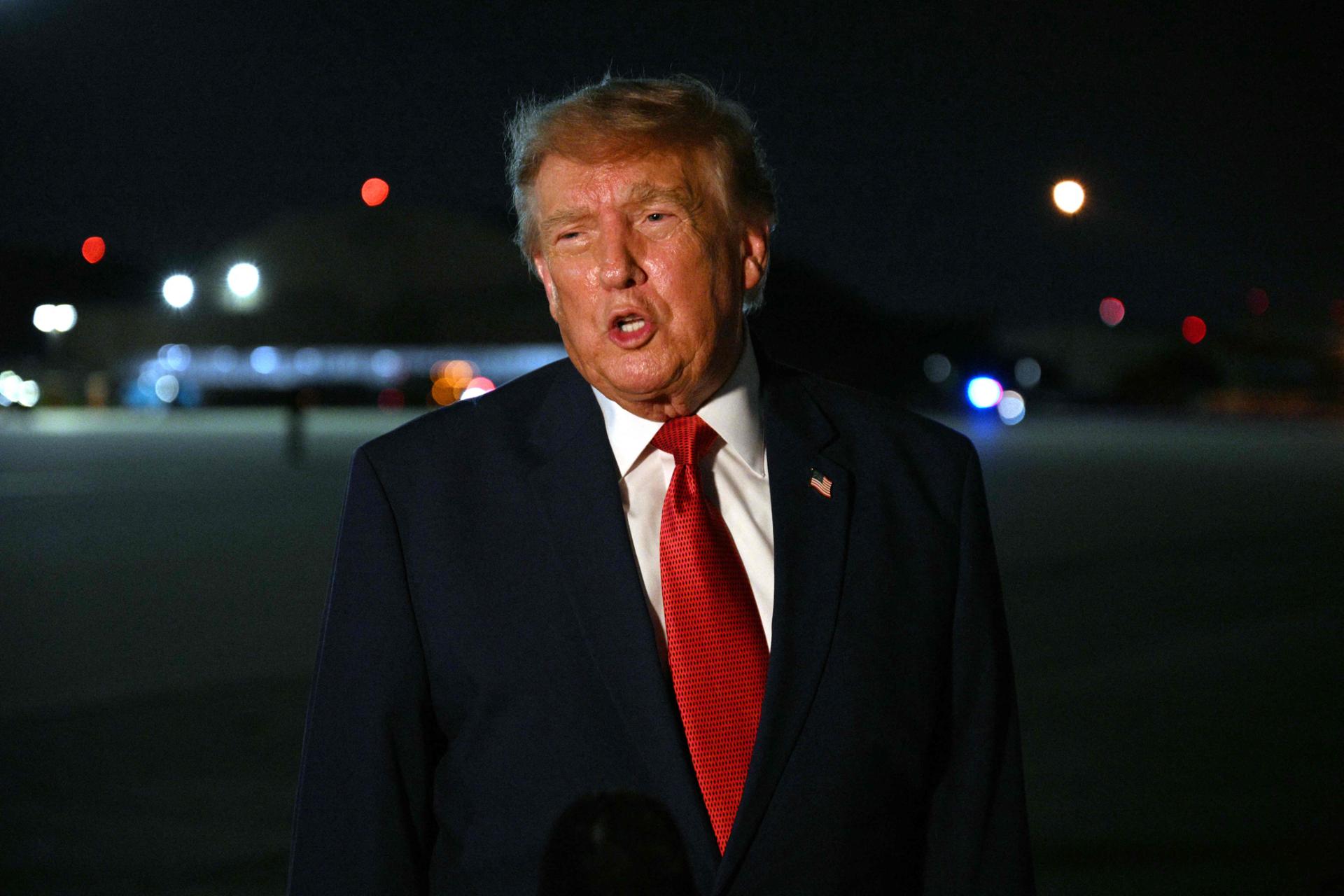
WASHINGTON — U.S. President Donald Trump signed a proclamation on Thursday to impose new tariffs on drones and their components, including a 15 percent levy on imports from Korea, Japan, and several other economies, the White House announced, characterizing the measure as an effort to strengthen national security.
The proclamation establishes a tiered tariff structure based on national security considerations. A 100 percent tariff will be applied to certain drones, including larger models and those equipped with thermal imaging capabilities, which are deemed sensitive for national security purposes. A 25 percent tariff will apply to certain smaller drones that also raise security concerns.
Under the new measures, imports from Korea, Japan, the European Union, Liechtenstein, Switzerland, and Taiwan will face a 15 percent tariff, while a 10 percent duty will apply to drone imports from Britain.
The tariffs are scheduled to take effect at 12:01 a.m. on September 3, 2026. However, duties on less-sensitive drone components will be implemented later, taking effect at 12:01 a.m. on February 9, 2027, according to the proclamation.
Trump invoked Section 232 of the Trade Expansion Act of 1962 to impose the tariffs. Section 232 is a trade provision that authorizes the president to adjust imports when the Department of Commerce determines they threaten to impair national security. The statute has previously been used to impose tariffs on steel and aluminum imports during the Trump administration.
The move comes amid growing U.S. concerns over the use of foreign-manufactured drones, particularly in sectors involving critical infrastructure, defense, and surveillance operations. The U.S. government has previously restricted Chinese-made drones in federal agencies, citing data security and espionage concerns, and China-based DJI has dominated the global consumer and commercial drone market for years, supplying aircraft used across agriculture, surveying, infrastructure inspection, and filmmaking. The tiered structure effectively creates a protected window for domestic drone manufacturers, though the U.S. industry currently lacks the production scale to replace major foreign suppliers across all categories covered by the tariffs.
The announcement is likely to draw reactions from affected trading partners, several of which are U.S. treaty allies. Japan and Korea are significant technology exporters with established drone component supply chains, and both have previously raised concerns at the World Trade Organization over U.S. use of Section 232 tariffs on other products. Companies that rely on imported drones for commercial services — including aerial inspection, precision agriculture, and logistics — may face higher equipment costs as the duties take effect.
Source: The Korea Times

