Trump DOJ Persists With Civil Rights Act Argument Despite 22-Case Losing Streak in Federal Courts
Key Takeaways
- •The DOJ has lost 22 consecutive cases attempting to use Title III of the Civil Rights Act of 1960 to force states to turn over voter roll data.
- •Title III was originally enacted to prevent states from destroying election records, a purpose courts have consistently cited in ruling against the DOJ.
- •The Justice Department is seeking access to sensitive voter information including driver's license numbers, Social Security numbers, and full dates of birth.
- •During a recent Washington state hearing, a DOJ attorney acknowledged that the relevant facts in the case mirror those in all prior cases the department has lost.
- •Courts have rejected the DOJ's argument by ruling that the statutory phrase 'come into' refers to records election officials received, not records they created and maintained themselves.
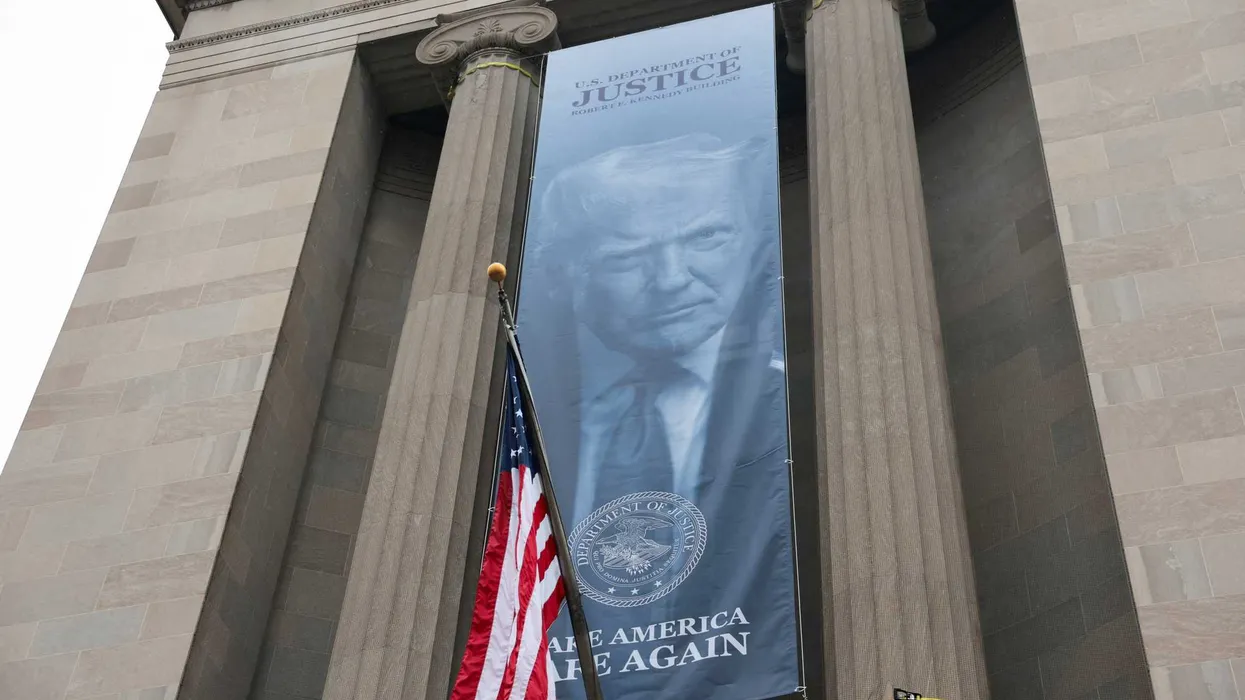
President Donald Trump's Justice Department continues to press federal courts with an interpretation of a Jim Crow-era statute that judges across the country have repeatedly rejected, according to a political analysis published by Democracy Docket.
The DOJ has lost 22 consecutive cases centered on its reading of Title III of the Civil Rights Act of 1960, a law signed by President Dwight D. Eisenhower as part of broader civil rights-era legislation aimed at protecting voting access for Black Americans. Yet the department continues to argue that federal judges nationwide have misunderstood the provision, Democracy Docket reported Saturday. The law was originally designed to prevent states from destroying election records — a purpose that courts have consistently cited as the DOJ attempts to use the statute to compel states to surrender voter roll data.
The dispute underscores a long-running tension between federal oversight authority and the states' constitutional role in administering their own elections. The Justice Department contends that the law should compel states to turn over live voter data, including driver's license numbers, Social Security numbers, and full dates of birth — sensitive information that state election officials routinely maintain as part of their voter registration systems.
During a recent hearing in the state of Washington, U.S. District Judge Kymberly Evanson — who has not yet issued a ruling in the case — observed the DOJ's lengthy losing streak and questioned what set the matter before her apart from prior rulings.
"By my count, this is the 20th court to address this exact issue," Evanson said. "Is there any meaningful basis on which to distinguish this case from many other district courts and the Sixth Circuit Court of Appeals across the country that have dismissed the government's complaints or denied their motion to compel?"
"No, your Honor," DOJ attorney Raymond Yang responded. "Relevant facts are similar to all the other cases."
Yang nonetheless maintained that judges around the country had "misconstrued the text, context, structure, history, and original understanding of Title III."
According to elections reporter Yunior Rivas, the DOJ has continually returned to this argument to counter what Rivas described as a "remarkable judicial consensus." Courts have rejected the DOJ's position "again and again," Rivas noted. In particular, judges have dismissed the DOJ's reasoning that states must surrender voter data because they have "come into" possession of election records. Judges have pointed out that the phrase refers to records election officials have received — not records they created and maintained themselves.

