Trump’s Proposed $5,000 “Dividend” Draws Claims of Vote-Buying and Fiscal Risks
Key Takeaways
- •The proposed $5,000 payment would likely exceed $1 trillion and require approval from Congress.
- •JD Vance suggested tariffs could provide the funding, but the article says tariff revenue would be insufficient and could raise consumer costs.
- •Congress would still need to decide the proposal’s eligibility rules, financing and distribution procedures.
- •Trump has made several earlier payment promises, including DOGE and tariff dividends, but no checks have been issued.
- •Critics argue that conditioning the payment on a Republican congressional victory could amount to an attempt to influence voters.
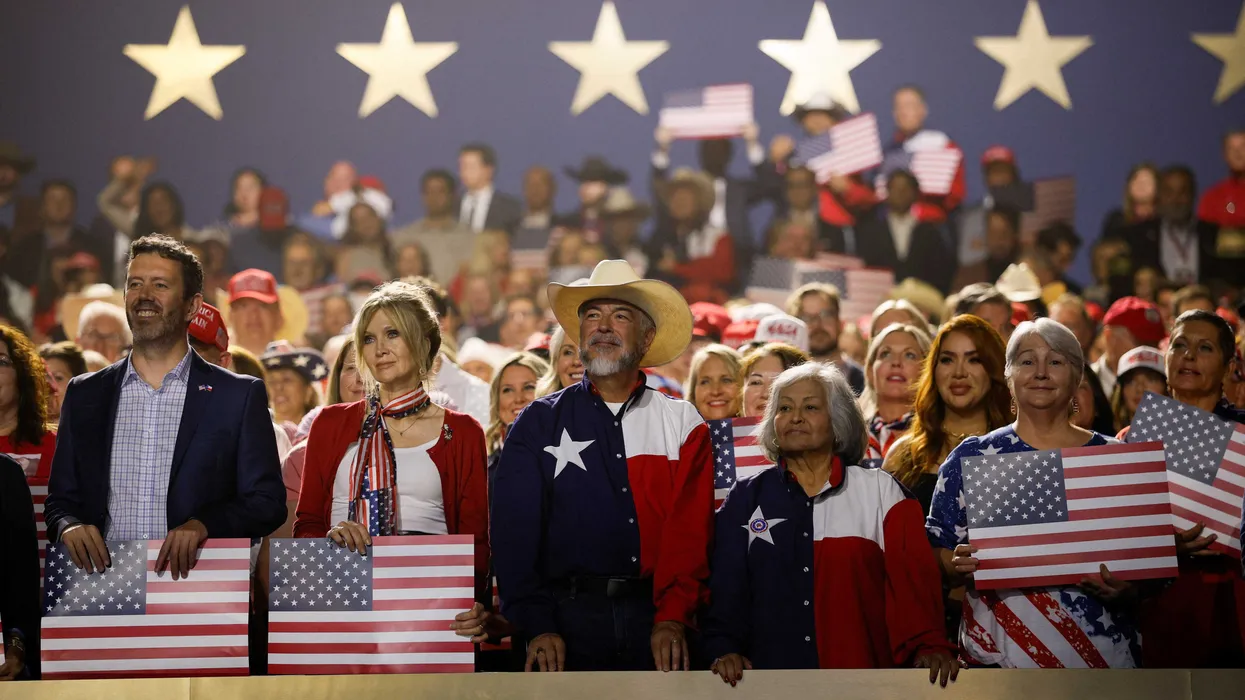
Donald Trump said at the “GOP midterm convention” on September 10 that he would pay every adult American $5,000 if Republicans retain control of the US Congress in November. Trump called the proposal the “Trump Dividend,” presenting the payment as though every taxpaying citizen were an investor in a publicly traded corporation.
The proposal immediately raised questions about its legality, financing and effect on the federal budget. The Associated Press reported that the payout would “likely cost more than $1 trillion and require congressional approval,” while further worsening the country’s nearly $1.8 trillion annual budget deficit and adding to concerns about inflation.
Politico reported () that “GOP fiscal hawks” reacted coolly to the offer. “The payout ... would dwarf the amount distributed during the covid pandemic and likely explode the deficit,” the outlet said. Trump did not explain how the checks would be financed, saying only that the money would be limited to citizens and would have to be spent in the United States.
Vice President JD Vance suggested about an hour later that the “dividend” would be funded by revenue from imports, meaning tariffs. The AP said the proposed payment “dwarfs what the US has taken in through the protectionist measures.” Regardless of its source, the payment would add to the national debt, which reached $40 trillion in August, the first time it has reached that level.
For the proposal to move beyond a campaign promise, Congress would have to approve the spending and lawmakers would have to determine how eligibility, financing and distribution would work. Those details remain unresolved in the statements described above, making congressional action and a specific funding plan the main issues to watch after the election.
The proposal is part of a series of promised payments that Trump has made since the beginning of his second term. Catherine Rampell of The Bulwark recalled that the president had promised “$5000 stimulus checks via ‘DOGE dividend’; $2000 stimulus checks via a ‘tariff dividend’; $1000-plus checks via ‘savings’ from expiring Affordable Care Act subsidies; [and] $5000 ‘dividend’ if Republicans win the midterms.”
“No checks have been issued,” Rampell said in a post on Bluesky.
Trump also repeated the offer during an exchange with Fox News host Laura Ingraham. When Ingraham asked why he would not simply give Americans the money immediately, Trump replied, “Because the Democrats can’t do it.” The exchange was posted by Acyn on X: https://x.com/Acyn/status/2098097499437482445?ref_src=twsrc%5Etfw
Trump made another payment proposal the following morning, saying he would give $500 to 1 million Americans in 30 states who purchased health insurance through Obamacare exchanges. He said the Biden administration had “overcharged” them, but did not explain how that had occurred. Trump said his administration was “giving the money back to the people who were wrongly ripped off.”
On September 9, as diesel prices approached $6 per gallon—the highest level since 2022—Trump told the public not to worry. “Right after the election, oil prices are going to be tumbling downward,” he said. “I think it’s going to take a little bit longer than the midterm.”
The proposed dividend has also prompted criticism that it amounts to an attempt to influence voters through direct cash payments. Previous presidents and presidential candidates have made promises intended to encourage voters to support them or their parties, but critics say Trump’s proposal is unusually explicit because it offers a specific payment contingent on Republicans retaining Congress.
The financing proposal involving tariffs has drawn a separate line of criticism. Tariffs are taxes on imported goods levied by the federal government. Importers generally pass those additional costs on to consumers. Under that interpretation, a dividend financed with tariff revenue would amount in part to a rebate of money collected from consumers through higher prices.
The article also states that Trump’s tariffs are illegal and that the Supreme Court has said so. The administration’s imposition of a new round of tariffs, it argues, would not make them more lawful than earlier measures. On that basis, critics characterize a $5,000 payment drawn from tariff revenue as distributing money collected through allegedly unlawful means.
Trump’s latest proposal comes amid criticism over several unfulfilled promises. He said he would release the Epstein files, keep the United States out of wars and reduce the cost of living. The article cites polls showing historically low approval ratings and says majorities regard the economy, inflation and “affordability” as issues Trump has failed to address.
Trump nevertheless said, “Food prices and almost every other item are rapidly going down,” while defending his record. Asked again why he would not give every American $5,000 immediately, he said, “Because the Democrats can’t do it.”
The article concludes by questioning whether voters will reject the offer or support Trump despite his previous broken promises. It cites Jesse Ventura’s observation that Americans had chosen Trump over the Constitution and argues that the proposed payment could test whether voters prioritize the rule of law over personal financial gain.
