Trump Used Decoy Air Force One and Catering Truck to Evade Iranian Assassination Threat, Report Reveals
Key Takeaways
- •U.S. intelligence detected a credible Iranian plot to potentially fire a missile at President Trump's aircraft as he departed the NATO summit in Turkey.
- •Trump was secretly transferred to a decades-old VC-25A jet because it possesses defensive countermeasures, including missile-blinding laser technology, that the Qatari-donated Boeing 747-8 may lack.
- •The president exited his original aircraft undetected by boarding a hydraulically raised airport catering truck positioned at a door opposite the main entrance.
- •Trump publicly attributed the aircraft switch to nostalgia rather than security concerns, despite acknowledging he was a top Iranian target.
- •Then-Manhattan U.S. Attorney Jay Clayton subpoenaed New York Times reporters following leaks about security vulnerabilities related to the Qatari jet.
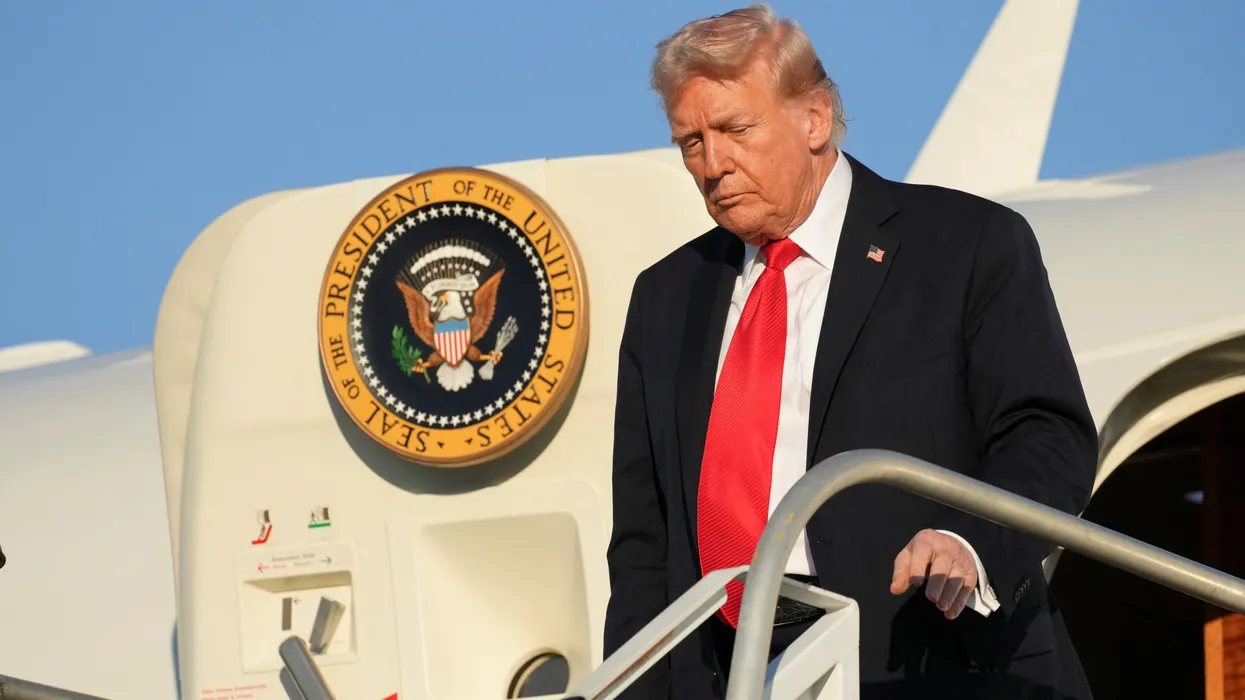
President Donald Trump and his security team carried out what officials described as an "elaborate ruse" to secretly depart Turkey aboard a military aircraft while leaving the traveling press corps behind on a "decoy" Air Force One flight, according to a report published Monday by The Washington Post.
The deception was prompted by a credible assassination threat from Iran that was detected as Trump departed the NATO summit in Turkey. The operation was so closely guarded that it deceived even members of the president's own traveling party.
"The clandestine mission ... was carried out unbeknownst to journalists and some White House staff members," the Post reported.
The security scramble followed intelligence indicating a potential plot by Iran and allied proxy groups to fire a missile at Trump's aircraft. The threat was corroborated by multiple outlets, including CBS News and The New York Times. Iran's animosity toward Trump stems in large part from his January 2020 authorization of the drone strike that killed Qasem Soleimani, the commander of Iran's Islamic Revolutionary Guard Corps-Quds Force. Iranian officials have repeatedly vowed retaliation, and the U.S. intelligence community has assessed that Tehran has actively sought to target former Trump administration officials connected to that decision.
Trump had arrived in Ankara aboard the new $400 million Boeing 747-8 gifted by Qatar, but the Secret Service transferred him to one of the decades-old VC-25A jets that conventionally carry the Air Force One call sign for the onward flight from Turkey to the United Kingdom. The older aircraft reportedly possess defensive countermeasures — including laser technology designed to blind incoming missiles — that the Qatari-donated jet may lack. The VC-25A fleet, based on the Boeing 747-200 airframe, entered service during the George H. W. Bush administration and has been maintained specifically to withstand threats ranging from electromagnetic pulse effects to missile attack. Additional reporting on the Qatari jet has previously detailed concerns surrounding its security capabilities.
To leave the plane without being observed by anyone not cleared for the operation, Trump and several aides boarded an airport catering truck that was raised plane-side by hydraulics and aligned with a door on the opposite side from Air Force One's main entrance, according to the Post, which cited a U.S. official and other corroborating material.
At the time, Trump publicly downplayed any security dimension. He told reporters he chose the older aircraft "for old time's sake," while simultaneously acknowledging that he was "No. 1 on the list for killing" as far as Iran was concerned.
This was not the first occasion on which Trump's team resorted to decoy aircraft for his protection. During his 2024 campaign, following an assassination attempt at his Florida golf club, aides placed him on a plane owned by ally Steve Witkoff while staff members departed on his customary jet — unaware he was not on board until after takeoff.
After leaks emerged last month regarding the scope of the security threat associated with the new Qatari aircraft, Trump's then-Manhattan U.S. Attorney Jay Clayton — who has since been appointed Director of National Intelligence — moved to subpoena New York Times reporters. The legal action surfaced amid a broader debate over the balance between prosecuting leaks of classified national security information and protecting press freedoms, a tension that has intensified across successive administrations. Additional coverage has tracked the ongoing fallout from those disclosures.

