Trump Declares Iran Officially a 'Failed Nation' and Says 'It Is Dead'
Key Takeaways
- •A BRICS News post quoted President Trump describing Iran as an officially "failed Nation" and declaring "IT IS DEAD."
- •The post provided no context on whether the remarks targeted Iran's government, economy, or political system, and included no supporting evidence.
- •The statement coincides with longstanding U.S.-Iran tensions over Iran's nuclear program and regional security.
- •During his first term, Trump withdrew the U.S. from the 2015 Iran nuclear deal and imposed sweeping sanctions on Iran's oil exports and banking sector.
- •No policy measures accompanied the remarks, and any official Iranian response remains pending.
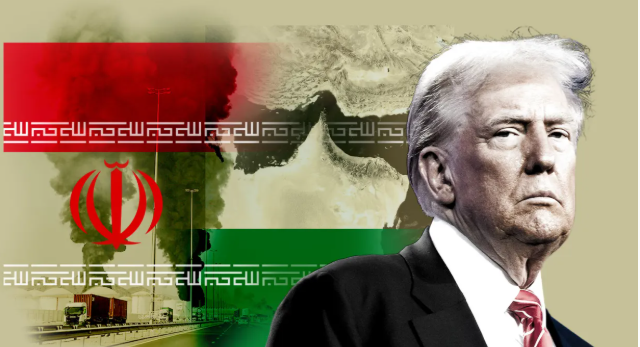
A post published by the BRICS News account (x.com/BRICSinfo/status/2094398294742978639) attributed highly critical remarks directly to President Trump, quoting him as saying that Iran is officially a "failed Nation." Trump then followed the characterization with the declaration, "IT IS DEAD!"
The statement was presented without additional context explaining the circumstances in which Trump made the comments or what specific developments he was referring to. The post did not clarify whether the assessment was connected to Iran's political situation, its economy, or broader regional affairs.
The wording is notably categorical, but the source does not specify whether Trump was referring to Iran's government, economy, political system, or another aspect of the country. The post also did not provide supporting figures, a detailed explanation, or any indication of which indicators or events Trump may have been using to characterize Iran in those terms. Without additional context, the remarks should be understood as Trump's stated assessment rather than an independently established classification of Iran's national condition.
Trump's characterization represents a highly critical assessment of Iran and comes amid longstanding tensions between Washington and Tehran. The United States and Iran have remained at odds over a range of issues, including Iran's nuclear program and regional security. During his first term, Trump withdrew the United States from the 2015 Iran nuclear deal, formally the Joint Comprehensive Plan of Action, in 2018 and pursued a "maximum pressure" campaign of sweeping economic sanctions targeting Iran's oil exports and banking sector.
US-Iran Tensions
Relations between the United States and Iran have been marked by prolonged political and security disputes since the 1979 Islamic Revolution and the subsequent hostage crisis, which severed formal diplomatic ties between the two countries. Washington has imposed extensive sanctions on Tehran, while Iranian officials have repeatedly rejected U.S. pressure and defended the country's sovereignty. Iran's economy has operated under heavy international sanctions for years, with the national currency, the rial, having lost most of its value over that period.
Statements from senior U.S. officials about Iran can carry broader diplomatic significance, particularly when they concern the condition or stability of the Iranian state. However, the BRICS News post containing Trump's remarks does not provide details about any policy announcement accompanying the statement, and the absence of additional information leaves unclear what immediate action, if any, Trump intended to associate with his characterization of Iran.
For now, the key issue is the context surrounding the president's remarks and whether they are followed by specific U.S. policy measures, such as new sanctions or diplomatic initiatives, or further statements regarding Iran. Iranian state media and officials have frequently responded to prior U.S. declarations with rejection, and any official Iranian response to these remarks would provide further indication of how the statement is being received in Tehran.
Source: Hokanews
