Attorney Norman Eisen: Trump 'Is Losing and He Is Losing Repeatedly' in the Courts
Key Takeaways
- •Independent litigation trackers have logged hundreds of courtroom losses for the Trump administration since the president returned to office for his second term.
- •The Justice Department's Civil Rights Division, led by Harmeet Dhillon, has an 0-22 record so far in litigation seeking sensitive voter-roll information from states and Washington, D.C.
- •A federal trade court ruled Trump's April 'Liberation Day' tariffs unlawful, and the Supreme Court has agreed to review that decision.
- •A federal judge in Washington has frozen the East Wing demolition project while litigation proceeds, and Eisen's group filed a Supreme Court brief urging the injunction be kept in place.
- •Eisen said voters are moving faster than the courts in rejecting Trump and the allies connected to him.
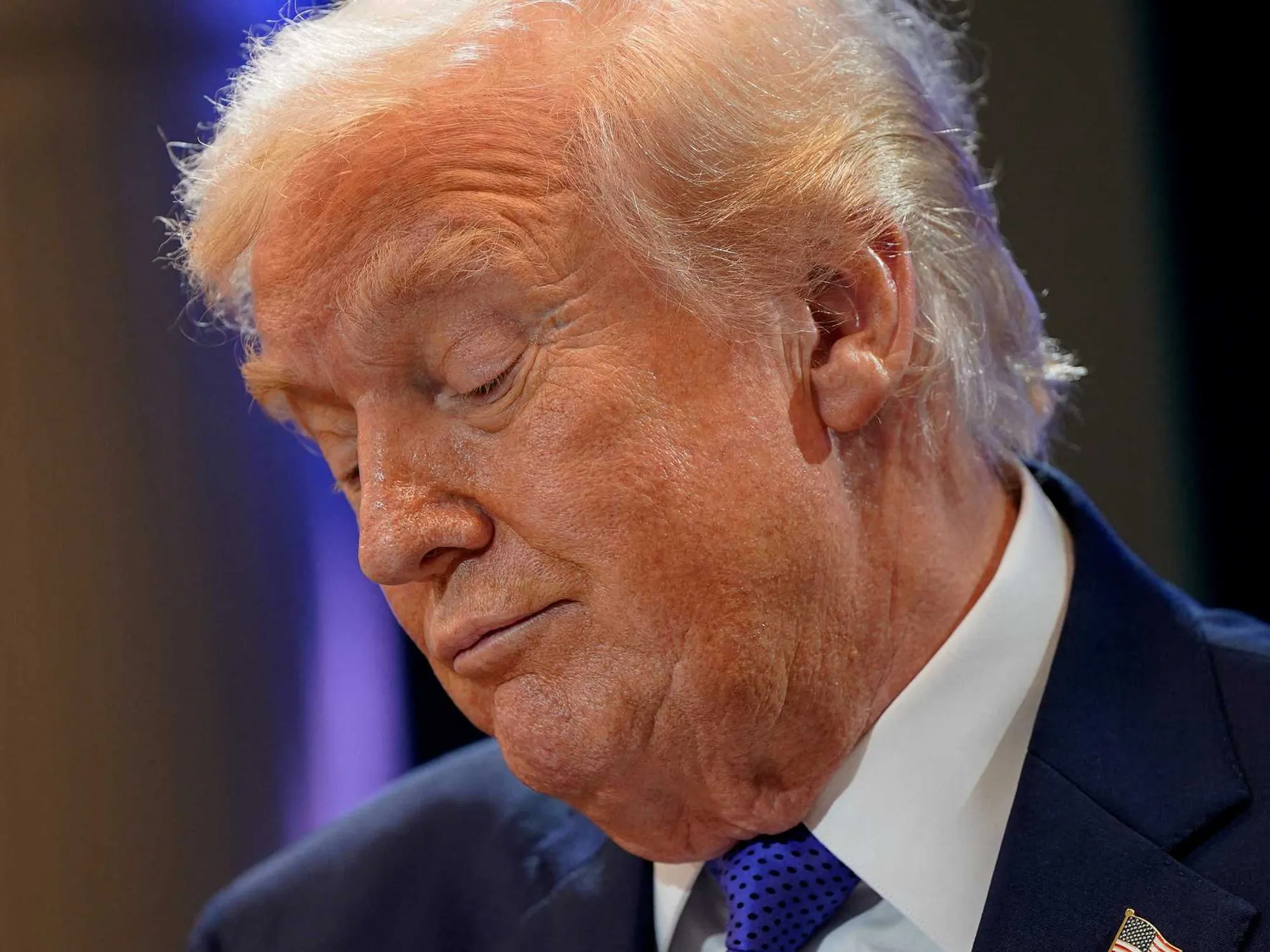
Rights attorney Norman Eisen, a frequent legal adversary of the Trump administration who co-founded Citizens for Responsibility and Ethics in Washington and served as counsel to House Democrats in Trump's first impeachment, said President Donald Trump's mounting courtroom defeats speak volumes about the state of his attack on the rule of law.
Speaking on "Coffee with the Contrarians," Eisen opened the conversation with a question about where things now stand, and host Adam Klasfeld, a veteran court reporter for All Rise News, pointed to the scale of the setbacks.
"I don't think that people walked into Trump 2.0 thinking this is some sort of unstoppable juggernaut [this time]," Klasfeld said. "He is losing and he is losing repeatedly. He's lost 22 times in the courts while trying to get sensitive voter data."
Eisen agreed, noting that Trump was regarded as an unstoppable force when he returned to the White House for his second term, despite being a convicted felon on multiple counts — a Manhattan jury convicted him in May 2024 on 34 felony counts of falsifying business records tied to hush-money payments, and he received an unconditional discharge days before taking office. Aided by a willing Republican congressional majority, Trump put his name and face on whatever he desired, installed loyalists over the levers of government and declared war on his perceived political enemies, Eisen said. Since then, courts have trounced Trump's plans, and his appointees have failed or come under attack. Independent litigation trackers have logged hundreds of courtroom losses for the administration since Trump returned to office.
The record extends further than the president's attempted military occupations of U.S. cities, his "Liberation Day" tariffs and his birthright citizenship ban, Eisen said — fights that raise some of the weightiest legal questions of his second term. The tariffs, announced in April under emergency economic powers, were ruled unlawful by the federal trade court, and the Supreme Court has agreed to review that ruling. The birthright citizenship ban, issued on Trump's first day back in office, has been blocked in lower courts and remains unresolved after the Supreme Court curbed nationwide injunctions in June without deciding the policy's fate. How those cases land will help define the reach of executive power, and the answers will come from a Supreme Court that includes three justices Trump appointed in his first term.
Harmeet Dhillon, Trump's former election lawyer who now leads the Justice Department's Civil Rights Division, "is 0-22 (so far) in her effort to grab sensitive voter-roll information from states across the country and Washington, D.C.," Eisen said, adding that nationwide protests forced the administration to abandon what he described as an archipelago of immigration warehouses.
And although universities, law firms and media companies rolled over for Trump at first, they are now pushing back and landing blows in court, Eisen said.
"Earlier this week, we filed a [promising] brief … [against] further construction of that Versailles-style let-them-eat-cake Trump Antoinette Ballroom that Donald Trump is building to replace the East Wing. And we told the Supreme Court, leave the injunction in place. This is a totally illegal activity," Eisen said. That injunction, issued by a federal judge in Washington, has frozen the East Wing demolition project while the litigation proceeds.
Eisen, a former U.S. ambassador to the Czech Republic, said Trump's people also bungled their filing in the Davey Hearn Reflecting Pool case by failing to mention evidence showing that Trump had falsely accused Hearn — an omission he said will likely deep-six their case for good.
"The ostrich approach never works in the practice of law," Eisen said, before ticking off a list of previous mistakes he said Trump's DOJ had flubbed in that case.
Then there is the Kennedy Center case, where the judge has asked for new information likely to derail Trump's crusade to put his name on things that do not belong to him. Trump took control of the Kennedy Center's board and became its chairman early in his second term, part of the broader pattern of self-branding at issue in these suits.
"They take down Donald Trump's name, they hide it with a tarp, and then they say, 'oh, instead of putting his name above, we're gonna put his name below,'" Eisen said, interrupting the interview with laughter.
Eisen's partners at the Washington Litigation Group, working with his Democracy Defenders Fund, are also taking on the toxic site Trump created with his D.C.-wide construction projects.
"Like the toxic dirt that Trump removed. He piled a mountain of it, dumped in the middle of a public golf course in D.C., East Potomac Park, full of chromium and arsenic and lead and left it there to blow around the golf course and the children's playground, leech into the water table in D.C.," Eisen said, predicting what he described as a very easy win in the case involving the toxic soil and the children's playground.
Beyond the judges, one of the biggest forces working against Trump appears to be voters, who Eisen said "are way ahead" of what judges are thinking in rejecting Trump and the regime and allies connected to him.
