Backlash grows after Trump allies vote to weaken historic preservation rules
Key Takeaways
- •Trump-appointed members of the Advisory Council on Historic Preservation voted Friday to advance proposed changes to Section 106 of the National Historic Preservation Act.
- •Section 106 currently requires federal agencies to evaluate construction impacts on protected places and consult with affected groups, including Tribal Nations.
- •Critics say the revisions would make public comment optional, narrow the definition of historic property, and shift more decision-making to federal agencies.
- •The American Institute of Architects said the changes could place about 1.4 million historic sites at greater risk by sidelining communities and preservation officials.
- •Preservation advocates and tribal partnership groups said the proposal would weaken tribal consultation and reduce protections for Indigenous sites and other historic places.
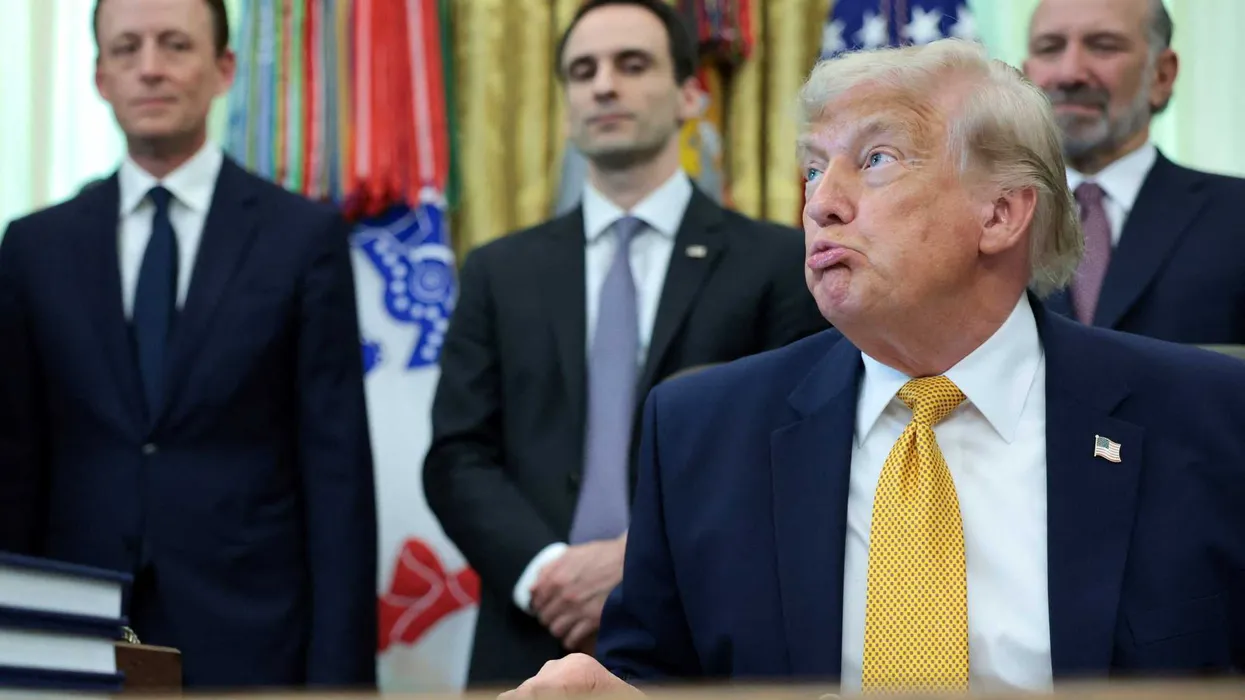
Preservationists are reacting with fury after allies of President Donald Trump moved to weaken federal restrictions on construction projects built on historic sites.
Trump-appointed members of the Advisory Council on Historic Preservation (ACHP) on Friday voted to move forward with rules that would weaken Section 106 of the National Historic Preservation Act, which requires the federal government to both evaluate how construction projects might affect protected places and consult with people and groups affected by such projects, including Tribal Nations.
The dispute lands at the center of a long-running federal process that is meant to slow projects just enough to identify historic or cultural harms before work begins. If the revisions advance, more of that review could be handled inside federal agencies, reducing the role of outside voices that preservation groups say are essential when projects intersect with places tied to local identity, tribal heritage, or the built record of American history.
Rep. Jared Huffman (D-Calif.), ranking member of the House Natural Resources Committee, on Monday criticized Trump for stacking the council with loyalists who appear determined to “tear down the safeguards that protect America’s history so he and his billionaire friends can build whatever they want, wherever they want.”
“Right now, a developer has to stop and listen before paving over a tribal burial ground, a Revolutionary War battlefield, or the church where your grandparents were married,” Huffman added. “Trump’s council wants to end that and cut tribal nations, states, counties, towns, and communities out of that conversation entirely.”
Greg Werkheiser, founding partner at the law firm Cultural Heritage Partners, said in an interview with NPR published on Friday that the vote amounted to an “attempt to gut historic preservation protections.”
“There are millions of these sites in this country,” Werkheiser emphasized, “and all of them are made less protected by this effort by the Trump administration.”
The American Institute of Architects (AIA) on Monday denounced the council’s vote, calling it “a significant step back for historic preservation, community participation, and the inclusive design processes that serve the public good.”
“At its core, the revisions strip communities of their right to be heard,” said the AIA. “These revisions place approximately 1.4 million historic sites at greater risk by shifting decisions away from the communities where they are rooted. The revisions make public comment optional rather than mandatory, narrow the definition of historic property, and shift decision-making authority almost entirely to federal agencies—sidelining state historic preservation officers, tribal historic preservation officers, tribes, and local governments.”
Michaela Pavlat, manager for the National Parks Conservation Association Indigenous Partnerships Program, said the Friday vote was a “calculated, yet unwarranted attack on tribal consultation, historic preservation, and the regulations that have protected the places that tell our country’s diverse stories.”
Gussie Lord, managing attorney for tribal partnerships at Earthjustice, said the National Historic Preservation Act “has not slowed the pace of new roads and power plants in this country, but it has given Tribes a seat at the table and preserved irreplaceable Indigenous sites from destruction.”
“What happens when entire landscapes are bulldozed without a thought to their cultural and historic importance?” Lord asked. “No one should support cutting Tribes out of the decision-making process for projects that impact their rights and sacred places.”

