Trump’s Own Words Complicate Renewed Bid to Oust Fed Governor Lisa Cook
Key Takeaways
- •Trump publicly called Fed Governor Lisa Cook 'dishonest' and an 'automatic no vote' on his preferred lower interest rates, remarks that legal experts say undermine the fairness of the hearing process.
- •A special committee handpicked by Trump—comprising Kevin Hassett, Keith Sonderling, and Andrea Lucas—is investigating mortgage fraud allegations that Cook improperly listed two properties as primary residences, charges she denies and which have not resulted in criminal charges.
- •The Supreme Court halted Trump's first attempt to dismiss Cook in June on due process grounds, and under the Federal Reserve Act a president may remove a governor only 'for cause.'
- •The dispute matters beyond one seat because Fed governors serve 14-year terms and the seven-member board holds a majority of votes on the committee that sets U.S. interest rates.
- •The White House scheduled a closed-door session for Nov. 5, but Cook's lawyers say a scheduling conflict will keep her from attending, leaving the next procedural step with the committee.
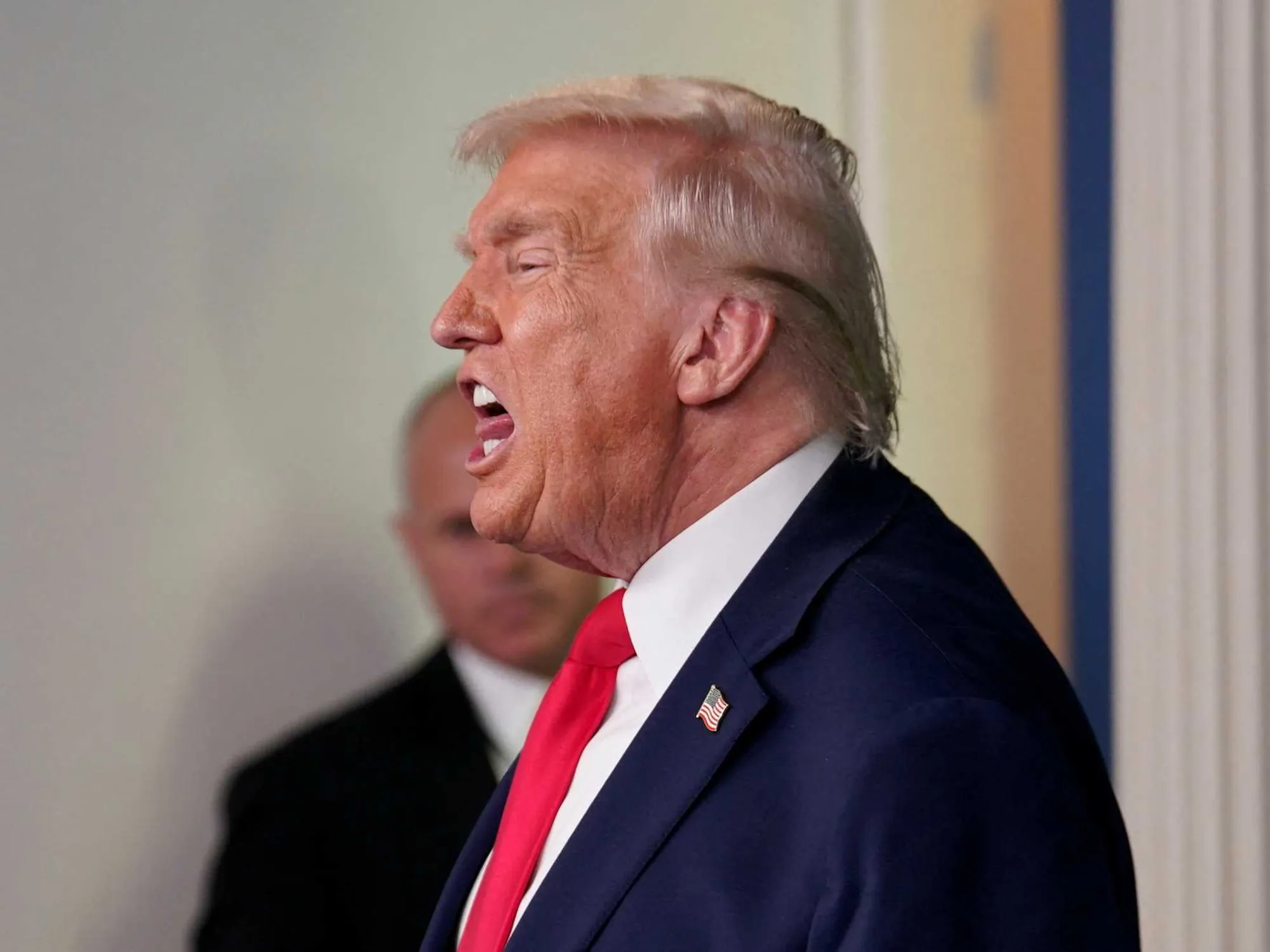
President Donald Trump's own public statements are complicating his renewed effort to remove Federal Reserve Governor Lisa Cook from office — an effort already constrained by a recent rebuke from the Supreme Court. Legal experts are now questioning whether a panel composed of the president's political appointees has, in effect, already made up its mind about her future.
According to a Wednesday report from The New York Times, Trump did not mince words when asked about the special committee he established to investigate mortgage fraud claims leveled against Cook. "I think she's dishonest," Trump told reporters on Saturday, referring to the Fed governor, whom he has been trying to fire for more than a year.
The report notes that the president appeared more focused on Cook's unwillingness to back the lower interest rates he is pursuing than on the specifics of the allegations themselves. "She's an automatic no vote, and that's not a good thing," he said.
The stakes reach beyond a single governor's seat. Fed governors serve 14-year terms, and the seven-member board holds a majority of the votes on the Fed's rate-setting committee, which sets U.S. interest rates. Cook was nominated to the board by former President Joe Biden, and the fight over her seat has become a test of presidential authority over the traditionally independent central bank.
Those remarks have fueled the argument over whether Cook will be afforded a fair hearing by a body assembled by a president who has been openly seeking her removal. The Supreme Court halted Trump's first attempt to dismiss her in June on the grounds that she had not been given a chance to make her case, though the justices left room for him to try again if he followed due process. Under the Federal Reserve Act, governors may be removed by a president only "for cause."
Kathryn Judge, a Federal Reserve scholar at Columbia Law School, told the Times that Trump's earlier remarks call the motives behind the new hearing into question. "It feels like they are going through a bunch of procedural hurdles, but that they likely have the outcome that they want already decided," she said.
The committee includes National Economic Council Director Kevin Hassett, Labor Secretary Keith Sonderling and EEOC Chair Andrea Lucas, all handpicked by Trump. Both Hassett and Sonderling have been in step with the president on the matter of interest rates, and Hassett has described the charges against Cook as "serious" and pressed for her to take a leave of absence.
The charges, which stem from federal housing director Bill Pulte, concern two properties Cook is accused of improperly listing as primary residences on mortgage applications. She has denied any wrongdoing and has yet to face any criminal charges.
Her counsel, Abbe Lowell, wrote to the administration voicing "significant concerns regarding the objectivity and fitness of the committee." The White House has set a closed-door session for Nov. 5, but Cook's lawyers say a conflict in her schedule will keep her from attending. With that date approaching and her appearance in doubt, the next procedural move rests with the committee itself.
White House spokesman Matthew Middleton defended the president's move as "an in-person hearing that will be conducted in a fair and open process."
Peter Conti-Brown, an expert on Fed governance at the University of Pennsylvania, characterized Trump's unconventional setup as one of "quasi judges in a quasi-judicial process." He acknowledged that the arrangement fulfills the Supreme Court's basic requirements but concluded, "It's worth saying out loud what everyone knows: This is all pretext."
Source: Alternet

