Trump Wiretapping of James Comey Is a 'Breathtaking Abuse of Power,' Says Former DHS Whistleblower
Key Takeaways
- •Miles Taylor, former DHS Deputy Chief of Staff, alleges that President Trump directed warrantless phone surveillance of former FBI Director James Comey without judicial approval.
- •A Secret Service supervisor formally documented concerns that the tracking was legally questionable and did not meet the imminent-threat standard required for emergency warrantless surveillance.
- •Comey's surveillance stemmed from an Instagram post of seashells arranged as "86 45," which Trump interpreted as a threat but Comey described as a political joke.
- •The investigation into Comey produced no findings of criminal conduct, yet the FBI subsequently obtained warrants for his Apple and Google accounts.
- •Taylor warns that the full scope of warrantless monitoring under the current administration remains unknown and that Comey's case may represent a broader pattern rather than an isolated incident.
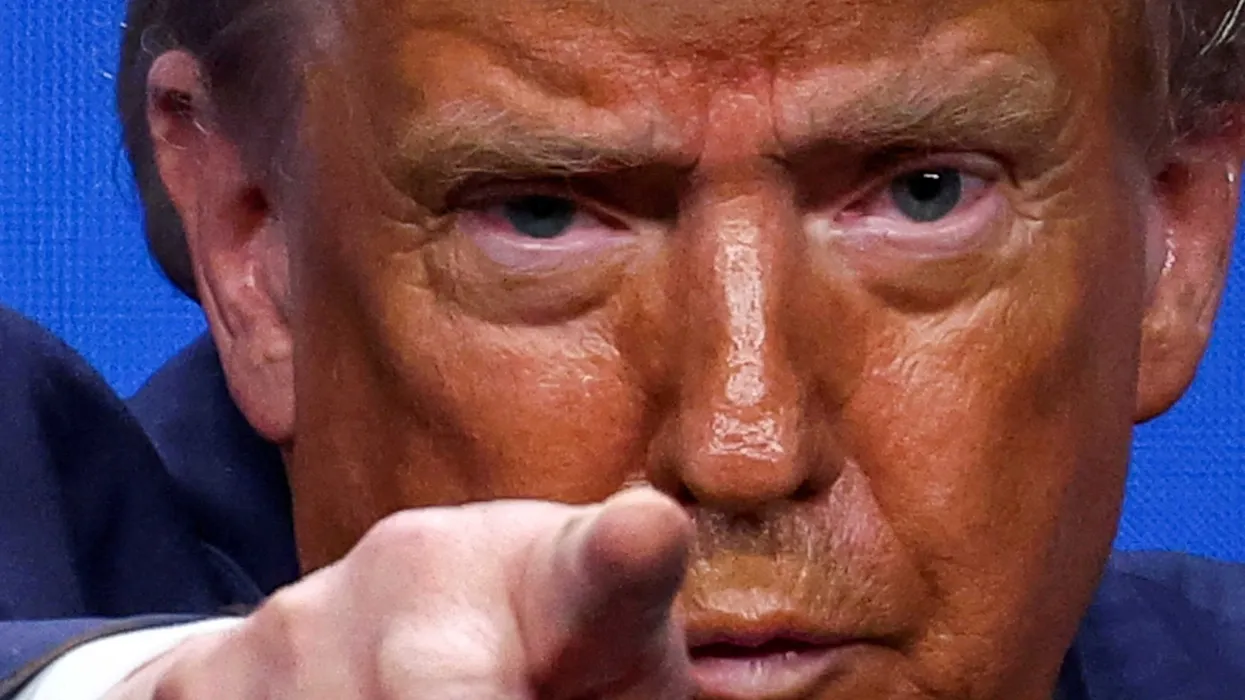
President Donald Trump's effort to surveil the phone of former FBI Director James Comey has intensified debate over how far the president is willing to go in retaliating against perceived adversaries. According to a whistleblower from Trump's first term, the president has transformed the U.S. intelligence apparatus into an instrument of personal revenge and political spying.
That assertion comes from Miles Taylor, who served as Deputy Chief of Staff at the Department of Homeland Security during the first Trump administration. Taylor is widely known for authoring an anonymous op-ed during that term that revealed the existence of an internal resistance group within the White House.
Comey served as FBI Director from 2013 until Trump dismissed him in May 2017, a firing that itself became the subject of scrutiny by Special Counsel Robert Mueller's investigation into potential obstruction of justice. Since leaving government, Comey has been a persistent public critic of the president.
Taylor reports that last week, new details emerged showing that while the administration was pursuing charges against Comey over an Instagram photo of seashells arranged to spell the numbers "86 45" — which Trump has claimed constituted a call for his assassination — the president directed the Department of Justice to order the Secret Service to begin tracking and surveilling Comey's phone. The phrase "86" is a long-established American slang term meaning to remove, reject, or get rid of something; Comey maintained the post was a political joke, not a threat. Secret Service agents reportedly flagged the directive as problematic from the outset.
"The Secret Service's own supervisor put his objection in writing," Taylor explains. "Pinging the phone 'could be done,' he warned, 'but it would be a bad idea.' Warrantless emergency tracking requires an imminent threat to life, and 'we did not believe that anyone's life was in immediate danger.' It was, in his words, 'legally questionable.' His boss agreed, according to the emails, 'but said we might do it anyway.' And they did."
The legal concern centered on the framework of warrantless tracking under emergency authorities, which generally require demonstration of an immediate danger to life — a threshold the supervisor's own assessment concluded had not been met. The Fourth Amendment's protections against unreasonable searches and seizures form the constitutional backbone for these warrant requirements.
Agents proceeded to track Comey's movements as he and his wife drove to visit their son's grave. Trump allegedly monitored the surveillance progress in real time from aboard Air Force One.
"So, to be clear," Taylor emphasizes, "we found out that the president of the United States was aboard his airplane, personally tracking the surveillance of a private citizen who had posted a photo of four digits. Obvious free speech. Breathtaking abuse of power to punish it."
The investigation ultimately produced no findings of criminal conduct. Nevertheless, the government continued its pursuit of Comey, with the FBI subsequently obtaining warrants for his Apple and Google accounts.
"I believe the Comey prosecution will be remembered as one of the most significant First Amendment cases in American history," Taylor asserts. "An American president is trying to imprison a critic for posting a photograph. And to build the absurd case, the government surveilled that critic without a judge's approval, in a manner its own agents admitted in writing was illegal. The filings answer some questions about what was done to Comey, but they open a far larger one that may not be answered for years: how many other people is this administration illegally watching and preparing to illegally punish?"
Taylor also notes that he is not writing as a detached observer. "Trump has publicly accused people like me, John Brennan, James Clapper, Adam Schiff, and even Barack Obama and Joe Biden, of treason. I have to assume some of us are already under surveillance for the audacity of criticizing the sitting president, while he has agents hunt for something — anything — to charge us with as punishment... Ironically, one of those criticisms is that I've long warned a second Trump term would turn the intelligence apparatus into an instrument of personal revenge and political spying. Again, the wannabe despot in the Oval Office has proven my point."
The list of officials Taylor references includes former CIA Director John Brennan and former Director of National Intelligence James Clapper, both of whom served in senior intelligence roles during the Obama administration and have publicly criticized Trump, as well as Representative Adam Schiff, who chaired the House Intelligence Committee and led the first impeachment inquiry against the president.
In his conclusion, Taylor warns that the scope of warrantless monitoring under the current administration remains unknown. "We don't know how many Americans are being warrantlessly monitored right now, or individually targeted despite their constitutional rights. That is the problem. Comey's surveillance surfaced only because his prosecution forced these documents into open court. Everything about how this administration treats the people it considers enemies tells me his case is the rule, not the exception, and that there may be far more people they've decided to watch than to tip their hand by bringing weak and foolish cases."

