Trump Considers Capital Gains Tax Cuts Ahead of 2026 Midterm Elections
Key Takeaways
- •Trump is weighing capital gains tax cuts before the midterm elections, but no official White House proposal has been announced.
- •One option under discussion would index capital gains to inflation so only real gains would be taxed.
- •Larry Kudlow said he discussed the idea with Trump and also proposed a $2 million home-sale exemption.
- •Most changes to capital gains taxation would need congressional approval and could face legal challenges if attempted through executive action.
- •Any broad indexing plan could affect digital assets if future legislation includes cryptocurrencies within its scope.
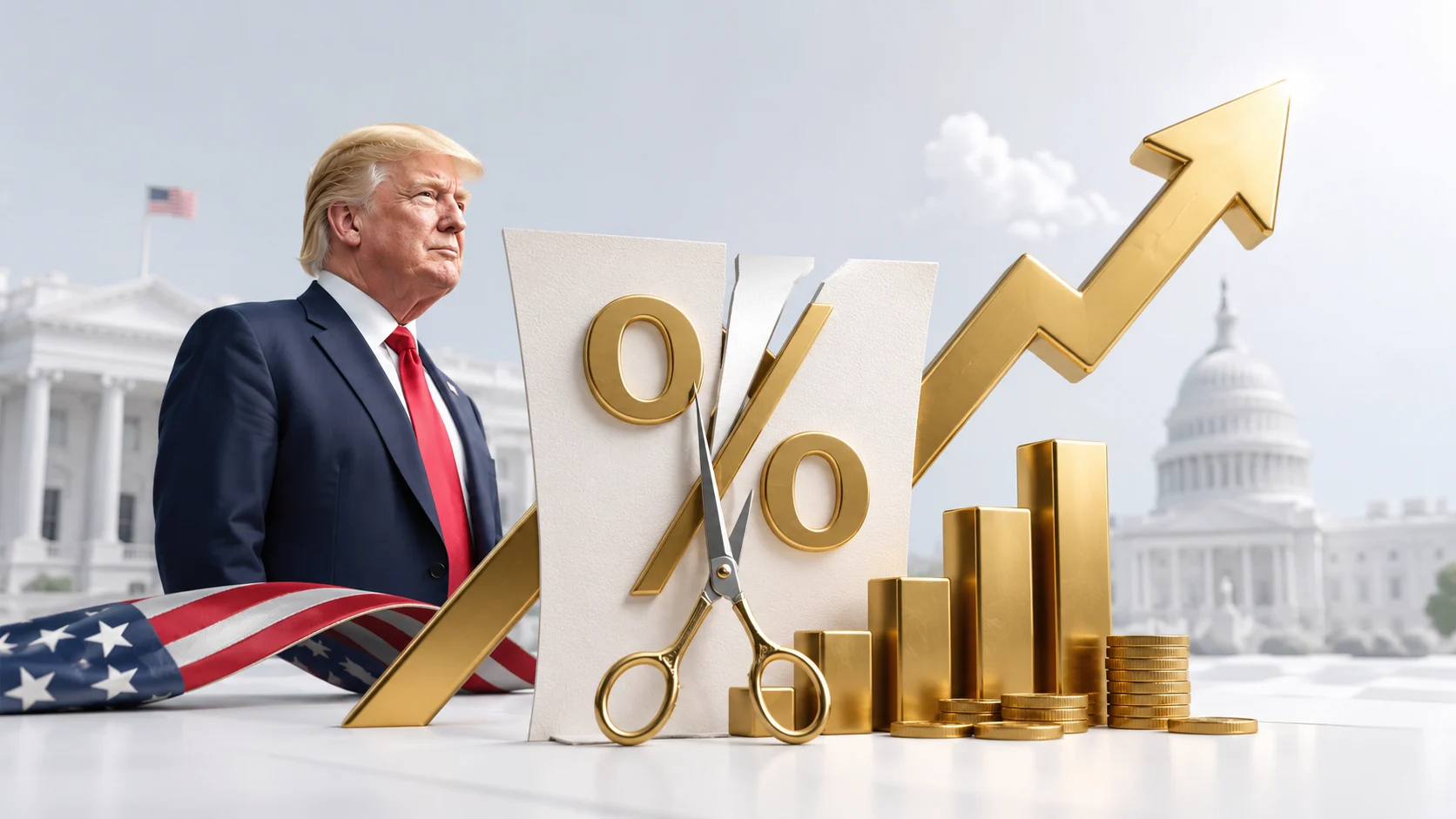
President Donald Trump is weighing a new push to cut capital gains taxes ahead of the November midterm elections, with proposals under discussion including inflation-adjusted gains calculations and a broader exemption for certain home sales.
Under current law, long-term capital gains are taxed at preferential rates of 0%, 15%, or 20% depending on income, with an additional 3.8% net investment income tax applying to higher earners. The idea of indexing gains for inflation has circulated in conservative tax-policy circles for decades and was examined by the Treasury Department during Trump's first term, though it was never implemented amid questions about executive authority to make such a change without Congress.
While the current discussions could prompt Trump to call on Congress to reduce capital gains taxes, no legislation or formal White House proposal has been released. National Economic Council Director Kevin Hassett stated that Trump is developing additional policy commitments that Republicans could present to voters before November.
Inflation Indexing Would Reduce Taxable Gains
One option under consideration would index an asset's cost basis for inflation, meaning only the gain remaining after adjusting for price-level changes would be taxed. Proponents argue the change would prevent taxpayers from being taxed on gains that merely reflect inflation rather than real increases in value, while critics contend it would disproportionately benefit high-income households holding large investment portfolios and reduce federal revenue.
Former National Economic Council Director Larry Kudlow recently discussed the approach directly with Trump and indicated the president was receptive. Kudlow also proposed exempting gains on home sales valued at $2 million or less.
Under current federal rules, qualifying homeowners can exclude up to $250,000 of gains from a primary residence, with that threshold rising to $500,000 for many married couples filing jointly. Those exclusion thresholds have not been adjusted since they were established under the Taxpayer Relief Act of 1997, meaning they have eroded in real terms amid decades of home-price appreciation. The $2 million idea under discussion would therefore represent a substantially broader benefit, though its final structure remains undefined.
Most changes to capital gains taxation require congressional approval. Any administration attempt to introduce inflation indexing without Congress could also face legal challenges, an issue that has surfaced during previous efforts to reinterpret how asset basis is calculated.
Potential Impact on Digital Assets
A broad capital gains indexing regime could also extend to digital assets if cryptocurrencies fall within its scope. U.S. taxpayers currently report sales and exchanges of capital assets through the federal capital gains framework, and digital asset transactions increasingly feed into the same reporting infrastructure. This burden has already emerged in the tax-season debate over Bitcoin users facing capital gains reporting on routine disposals.
No current draft establishes that Bitcoin, Ether, or other cryptocurrencies would receive inflation-adjusted basis treatment. The effect on crypto investors therefore hinges on how any future legislation defines eligible assets and whether Congress ultimately advances the proposal.
Tax Policy Enters the Midterm Campaign
Trump's latest tax discussions come as the 2026 U.S. midterms grow increasingly consequential for crypto policy and financial markets, with control of Congress set to determine the trajectory of tax, market-structure, and broader economic legislation.
The capital gains debate also arrives alongside the scheduled expiration of many individual tax provisions from the 2017 Tax Cuts and Jobs Act at the end of 2025, a cliff that already pressures lawmakers to negotiate a broad tax package. Capital gains changes could potentially be folded into such a vehicle.
White House spokesman Kush Desai said Trump routinely evaluates new economic ideas but that formal policy announcements would come directly from the administration.
The administration has not released a proposed capital gains rate, legislative text, or implementation date. Any congressional tax package would need to clear both the House and Senate before reaching Trump's desk.
