Trump Announces Then Cancels Planned U.S. Military Strike on Iran, Citing Emergent Deal
Key Takeaways
- •President Trump stated that the United States was ready to attack Iran with military force not seen since World War II but canceled the operation after Iran and other Middle Eastern countries requested a delay citing an emerging deal.
- •The reported agreement would involve the complete opening of the Strait of Hormuz and the end of Iran's nuclear threat, though finalizing the deal remains conditional.
- •U.S. and Israeli officials had been considering a severe bombing campaign against Iranian energy infrastructure, which would have marked a significant escalation in the conflict.
- •Saudi Crown Prince Mohammed bin Salman privately urged Trump to hold off on the strike, consistent with Gulf states' longstanding efforts to avoid being pulled into a direct U.S.-Iran confrontation.
- •The Strait of Hormuz, through which roughly twenty percent of global oil trade historically flows, remains a critical flashpoint as Iran has previously threatened to close the waterway during periods of tension.
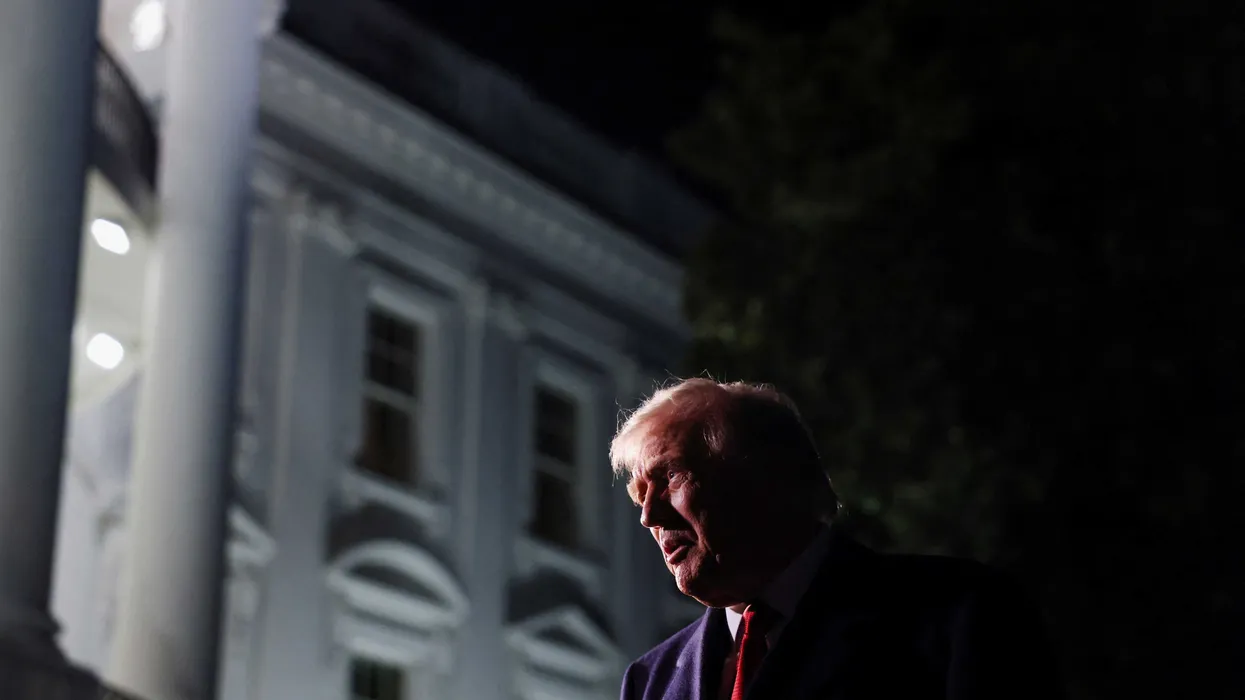
President Donald Trump announced on Saturday night that the United States was prepared to launch a military attack on Iran at levels of force "not seen since World War II," before revealing that he had called off the operation citing a newly reached agreement.
In posts on his social media platform Truth Social, Trump wrote: "The U.S.A. is locked and loaded and ready to go against the Islamic Republic of Iran, at levels of Military Terror, Strength, and Power not seen since World War II. Despite this, we have just been asked by Iran, and other Middle Eastern Countries, to hold off any attack in that the perimeters [sic] of a deal has been agreed to." (Truth Social)
"This would include the Immediate, Complete, and Total OPENING OF THE HORMUZ STRAIT, and an end to Iran's nuclear threat. Based on this request, I have agreed, for the future benefit of the WORLD and, likewise, the survival of a successful and prosperous Iran, to cancel the attack, subject to being able to rapidly make a DEAL."
According to multiple inside sources who spoke with CBS News, the Trump administration and Israeli officials had been considering launching what was described as "one of the harshest bombing campaigns to date" against Iranian energy infrastructure. Targeting energy infrastructure would mark a significant escalation, as such strikes risk disrupting Iran's oil exports — a primary source of government revenue — and could trigger retaliation against shipping and energy facilities across the Gulf.
Trump's assertion that "other Middle Eastern countries" had requested a delay is consistent with reporting from Axios on Saturday, which indicated that Saudi Crown Prince Mohammed bin Salman had privately appealed to Trump to hold off on the strike. Gulf states have repeatedly sought to avoid being drawn into a direct U.S.-Iran confrontation, given their proximity to Iranian missile ranges and their dependence on stable oil markets.
The Strait of Hormuz — the critical shipping waterway through which approximately 20% of the world's oil trade has historically flowed — has been a recurring point of emphasis for the president. Iran has periodically threatened to close the strait during prior periods of confrontation, and any disruption there would affect shipments to global markets. Trump has repeatedly insisted the strait was "open," even amid evidence suggesting otherwise, as previously reported. His Saturday announcement represented the latest such claim.
Trump concluded his Truth Social posts by stating: "The Country of Israel joins me in this commitment. Get to work, everybody, and get it DONE. Thank you for your attention to this matter!"

