Leak Says Trump Is Scrambling for New Ways to Pressure Canada After Tariff Clash
Key Takeaways
- •The United States imposed a 50% tariff on about $20 billion in Canadian goods after trade talks broke down.
- •Canada responded by raising counter-tariffs on U.S. steel and aluminum and by adding duties on milk, furniture, clothing, and electronics.
- •Trump is said to be considering further tariff increases and has publicly suggested renaming Lake Ontario to Lake America.
- •The tariffs affect supply chains that run through both countries, especially in steel, aluminum, and auto parts.
- •Canada’s counter-tariffs appear aimed at products from Republican-held districts, adding a political dimension ahead of the midterms.
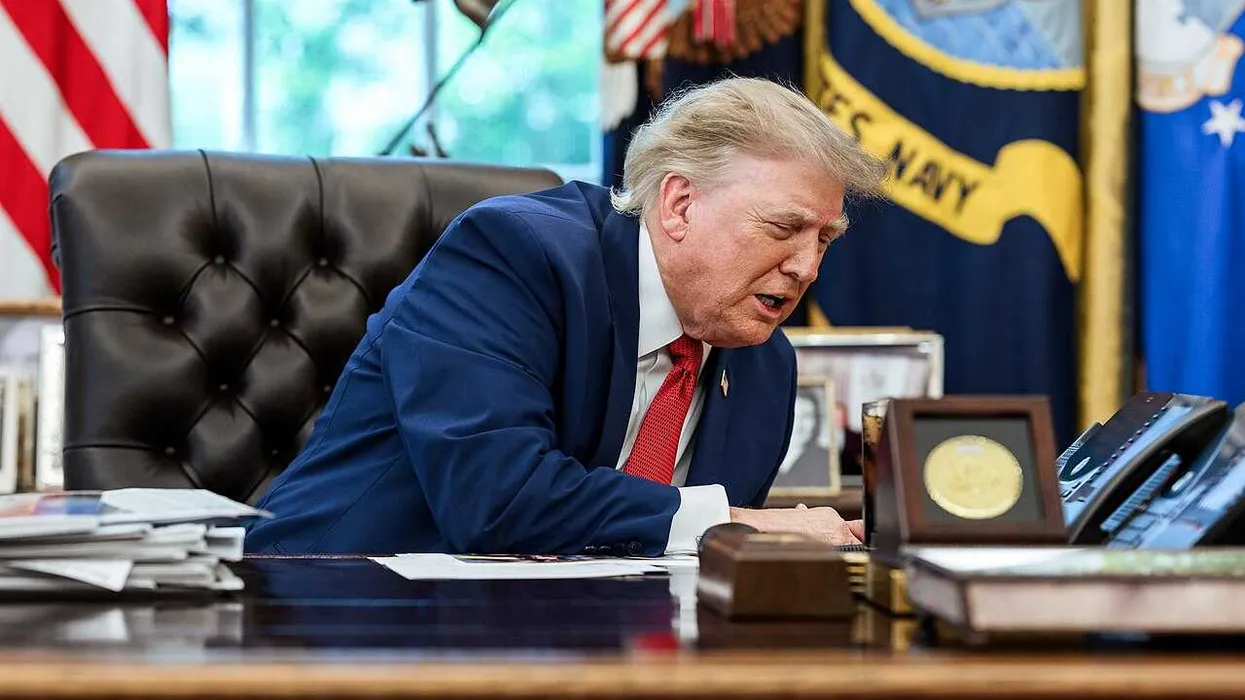
U.S. President Donald Trump's trade dispute with Canada intensified this week after he threatened the United States' northern neighbor with new 50 percent tariffs and Canada responded with retaliatory duties of its own, some of which could also reach 50 percent. According to Daily Beast reporter Janna Brancolini, Trump is now searching for additional ways to pressure Canada.
"Donald Trump is scrambling to figure out new ways to punish Canada after his crushing import tariffs sparked a spiraling trade war with America's second-largest trading partner," Brancolini wrote in the Daily Beast. "After long-running trade talks broke down on Friday, the U.S. imposed a 50-percent tariff on about $20 billion in Canadian goods under a never-before-used provision of the Depression-era Tariff Act of 1930. Canadian Prime Minister Mark Carney retaliated on Tuesday by doubling existing counter-tariffs on U.S. steel and aluminum — and by imposing new duties on American-produced milk, furniture, clothing, and electronics — resulting in 50-percent levies on about $20 billion in annual U.S. exports." The 1930 statute is better known as the Smoot-Hawley Tariff Act, whose sweeping duties provoked retaliatory tariffs abroad and are blamed by many economists for deepening the Great Depression.
Bloomberg News' Jeff Mason reported that, according to a Trump White House official interviewed on condition of anonymity, Trump could escalate the trade conflict further by imposing even higher tariffs. Trump is also threatening to rename Lake Ontario, a body of water that borders both the Canadian province of Ontario and New York State.
On his Truth Social platform, Trump posted: "The United States is giving serious consideration to changing the name of Lake Ontario to Lake America in that we don't expect to be doing much business with Ontario any longer. Thank you for your attention to this matter! President DONALD J. TRUMP."
Brancolini wrote that "the president has already promised to double tariffs on Canadian auto parts to 50 percent, but additional countermeasures are expected, the official told Bloomberg." She added that the duties are a type of import tax paid by American companies, which must either absorb the added costs or pass them on to consumers. The two economies are closely intertwined, with supply chains in the very sectors now facing levies — steel, aluminum, and auto parts — crossing the border in both directions.
The Daily Beast reporter also said Canada's "counter-tariffs" appear to target products made in hotly contested Republican-held congressional districts that will help determine which party controls Congress after November's midterm elections.
"For example, the duties target nearly 200 seafood products from Maine, where Republican Sen. Susan Collins faces a tough reelection campaign against progressive Troy Jackson," Brancolini wrote. "The opinion editors of the Rupert Murdoch-owned (Wall Street) Journal warned Monday that a trade war with Canada makes 'no economic or political sense,' and called the Canadian duties Trump's 'dumbest' tariff plan to date. The levies — which are deeply unpopular among voters — could further exacerbate a cost-of-living crisis that has already hit tens of millions of Americans." With trade talks stalled and additional countermeasures expected, the open questions heading into November's midterms are whether negotiations restart and how much of the added cost reaches American households.
