Fact Checker Points to Flaw in Trump’s Canada Claims
Key Takeaways
- •Trump posted on Truth Social that the U.S. does not need Canada, but at a tele-rally he admitted the country relies on Canada for most of its aluminum.
- •A 2025 Council on Foreign Relations report found that roughly half of U.S. aluminum comes from imports after Trump raised tariffs, with Canada traditionally the largest supplier.
- •Trump imposed a 50 percent tariff on Canadian aluminum products last year, and the war with Iran further increased metal costs by disrupting supply from U.S. allies in the Middle East.
- •The Oklahoma gubernatorial candidate Trump endorsed agreed to fast-track an aluminum plant opposed by some local governments, with the company set to receive hundreds of millions of dollars in subsidies.
- •Aaron Fritschner, citing U.S. Trade Representative data, noted that Ontario accounts for about 40 percent of Canada's population and GDP.
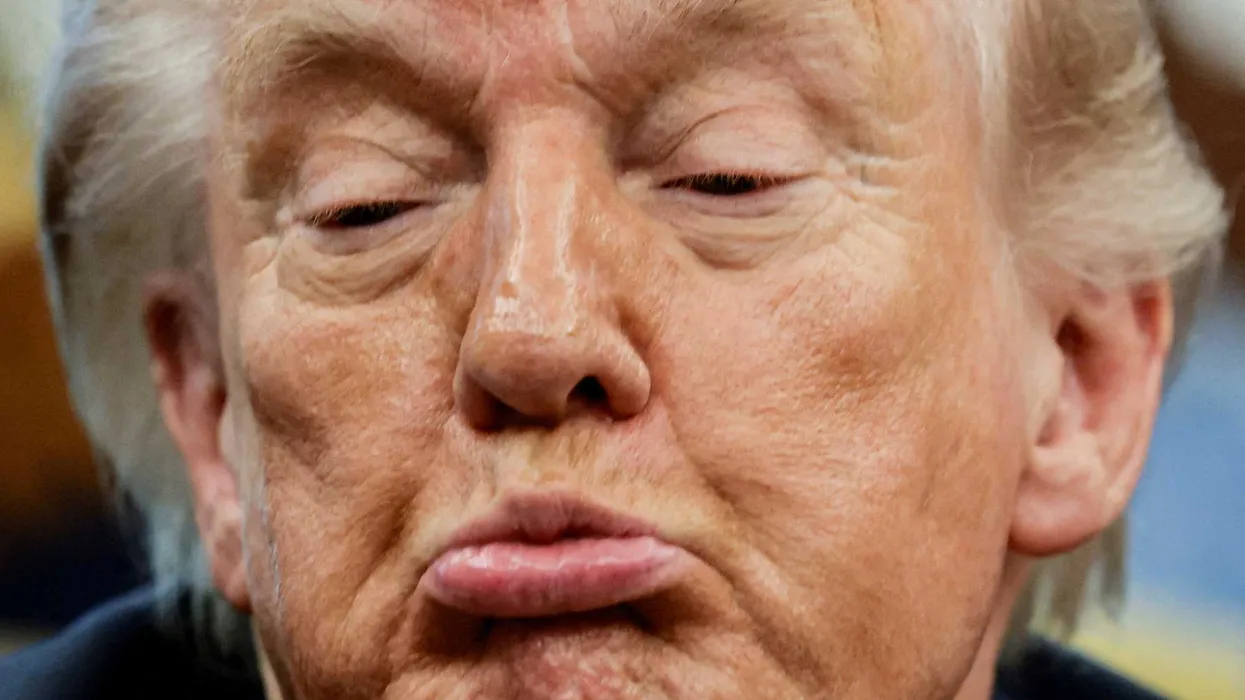
President Donald Trump spent the past 24 hours attacking Canada and Canadian leaders, but his rhetoric does not tell the full story.
On Monday, Trump posted on Truth Social in all caps: “We don't need Canada, they need us!”
“Build in the U.S. and there are zero tariffs,” Trump wrote. “Canada will be treated like a State no longer! On trade, and in other ways, also, they are among the worst nations in the world to deal with.”
On Tuesday, CNN’s Daniel Dale cited a Trump tele-rally in which the president acknowledged that the U.S. relies on Canada for cheap aluminum.
“You know, selfishly, we need aluminum in this country. We don't have it. We get it all from Canada, for the most part, and we need it badly,” Trump said, according to Dale.
A 2025 Council on Foreign Relations report said that roughly half of all aluminum comes from imports into the U.S. after Trump raised tariffs on the metal. Canada is traditionally the largest supplier of aluminum to the U.S., which means any shift in tariff policy or supply access can ripple through manufacturers that depend on the metal. As a result, Trump’s hard line toward Canada has appeared to narrow over the past 24 hours. In earlier trade fights, Trump critics coined the acronym TACO, short for “Trump Always Chickens Out.”
Aaron Fritschner, deputy chief of staff to Rep. Don Beyer (D-Va.), cited United States Trade Representative data about Ontario specifically. He noted that Ontario accounts for “40 percent of Canada’s population and about the same of its GDP.” Fritschner added, “Many will roll their eyes at this, but Trump’s vanity and stupidity have a real-world cost to American workers and jobs.”
Trump’s aluminum needs have also become part of a major red-state election. The unpopular gubernatorial candidate Trump endorsed in Oklahoma has agreed to fast-track an aluminum plant in the state, even as local governments seek to block it over environmental concerns and fears that it could hurt family farms.
At the same time, the company would receive “hundreds of millions of dollars in subsidies and incentives from both the federal government and the state — a classic exercise in industrial policy,” according to a Washington Post op-ed.
Trump has argued that the U.S. must build such plants because of a “national security concern.” But the vast majority of aluminum imported into the U.S. comes from Canada, not China, underscoring why the Canada dispute sits at the center of both his trade message and the broader push to rebuild domestic supply chains.
The Post’s Editorial Board said, “Trump disrupted that balance by imposing a 50 percent tariff on Canadian aluminum products last year in an effort to boost U.S. manufacturing. The war with Iran also increased the cost of the metal by disrupting the supply of aluminum products from U.S. allies in the Middle East.”

