Cabinet Officials Flood Iowa as Republicans Face Unexpectedly Tight Races in Traditionally Red State
Key Takeaways
- •Defense Secretary Pete Hegseth spoke at the Iowa State Fair in support of Rep. Zach Nunn, whose House race is rated a toss-up.
- •Other administration figures, including Robert F. Kennedy Jr., Scott Bessent, Kelly Loeffler, Doug Collins, and Jamieson Greer, also traveled to Iowa.
- •Iowa backed Trump by 13 points in 2024 and all six of its congressional delegation members are Republicans, yet several statewide and congressional races are now competitive.
- •Nonpartisan analysts rate the governor’s race and two of Iowa’s four U.S. House contests as tossups, while the open Senate race is rated lean Republican.
- •Rising fuel and fertilizer costs, low grain prices, and tariff-related trade pressures are weighing on Iowa’s farm economy and influencing voter frustration.
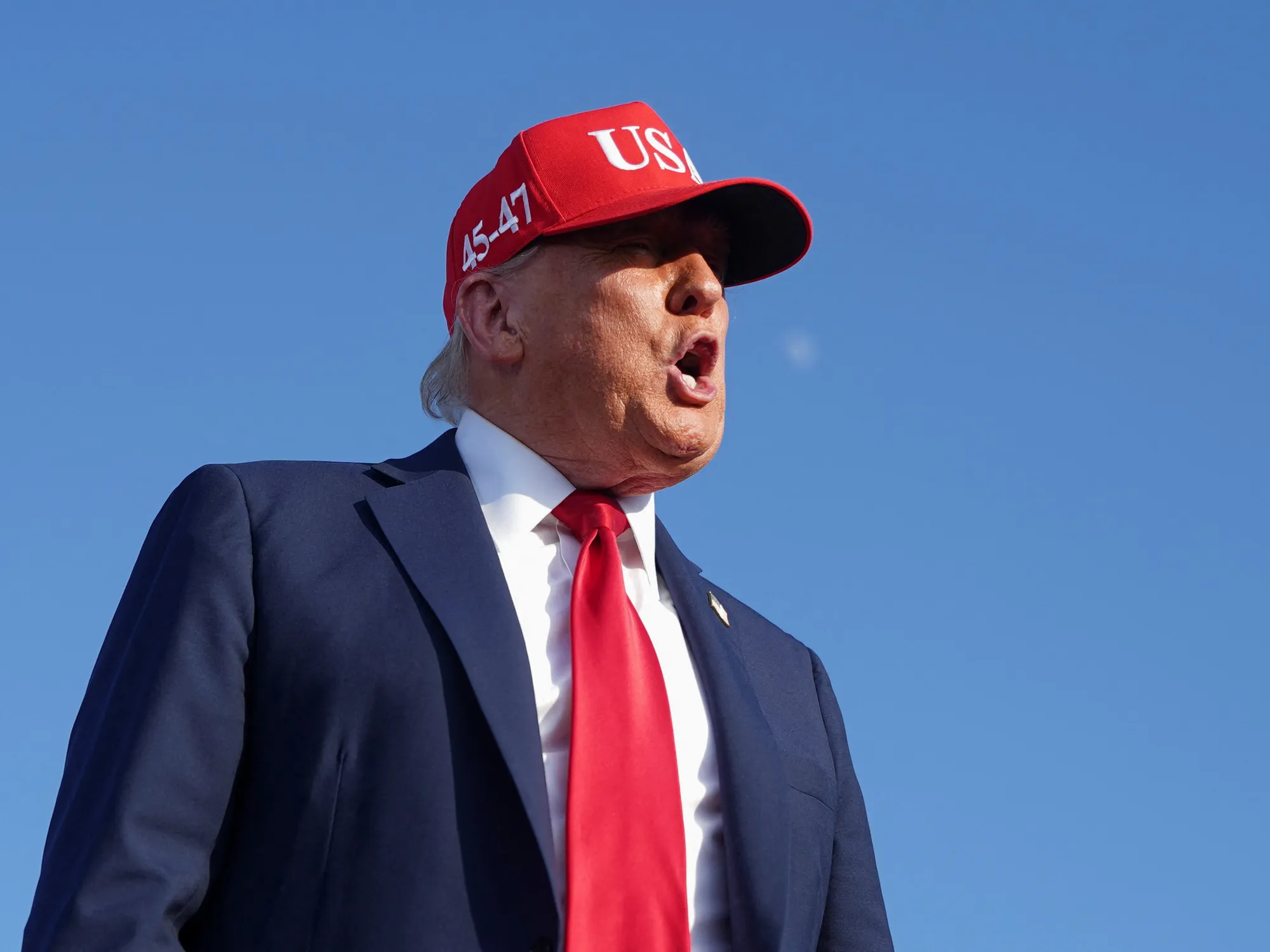
The Trump administration is "flooding" Iowa with Cabinet officials amid election concerns, as polling paints a grim picture for Republican candidates in the reliably red state.
According to The Wall Street Journal, Defense Secretary Pete Hegseth stood inside a bar at the Iowa State Fair on Monday, delivering what amounted to a 19-minute campaign speech for Rep. Zach Nunn, a Republican running in a House race surprisingly rated as a "toss-up."
Nunn is no stranger to close races — he first flipped his Des Moines-area seat in 2022, defeating then-Rep. Cindy Axne by less than one percentage point.
"According to the lawyers, I'm only here in a personal capacity today," Hegseth said. He added that when Nunn "asked if I'd come on out here, it was an absolute no-brainer. We need those reinforcements in Washington, D.C. We need him to continue to be there." His aside about "the lawyers" was a nod to the Hatch Act, the federal law that bars executive-branch officials from campaign activity in their official capacity, which is why Cabinet members appearing alongside candidates typically stress they are attending personally.
Hegseth is not alone in rushing into the state to prop up what the report described as "shaky" GOP candidates. Health Secretary Robert F. Kennedy Jr. and Treasury Secretary Scott Bessent also made the trip, joined by SBA Administrator Kelly Loeffler, Veterans Affairs Secretary Doug Collins, and U.S. Trade Representative Jamieson Greer.
The Journal notes that the scramble is notable because Iowa was not expected to be competitive.
"It [Iowa] backed President Trump by 13 percentage points in the 2024 election, and all six members of Iowa's congressional delegation are Republicans," the newspaper reported. "The Democratic National Committee was so disillusioned with prospects in the state that it ended a roughly five-decade tradition of Iowa hosting the party's first presidential nominating contest."
"Despite that history, nonpartisan analysts rate the state's race for governor and two of its four U.S. House contests as tossups either party could win," the report continued. "Iowa also has an open Senate seat race rated 'lean Republican' by the nonpartisan Cook Political Report."
Both of the state's marquee races lack an incumbent on the ballot: Republican Gov. Kim Reynolds is not seeking re-election, and two-term Republican Sen. Joni Ernst is also stepping aside. The landscape carries national stakes as well, with Republicans defending a narrow majority in the U.S. House — the chamber the party of the sitting president has historically lost ground in during most midterm elections since World War II.
Analysts point to rural economic strain — high fuel and fertilizer costs alongside stagnant grain prices — following Trump's tariff push, with longtime Trump voters "voicing frustration over the economy and the ongoing war with Iran." That strain weighs heavily in a state where agriculture anchors the economy: Iowa ranks among the nation's top producers of corn, soybeans, hogs and eggs, and its farmers rely significantly on export markets. During the first Trump administration's trade fight with China, the federal government paid out billions of dollars in aid to farmers to offset losses from retaliatory tariffs, underscoring how directly trade policy translates into rural incomes in the state.

