Press Advocates Warn Trump Administration Escalating Journalist Crackdown Through Border Phone Seizures
Key Takeaways
- •Press freedom advocates warn that the Trump administration is increasingly invoking the border search exception to seize journalists' electronic devices at U.S. ports of entry without warrants.
- •Federal agents confiscated reporter Max Blumenthal's phones during secondary inspection upon his return from Iran, returning them approximately one week later after an emergency court motion was filed.
- •The federal government asserts it was unable to access the contents of Blumenthal's phones, and a federal judge has given officials 14 days to formally substantiate that claim.
- •The Trump Department of Justice's separate subpoena of New York Times journalists departs from 2015 Obama-era guidelines that required investigators to give reporters advance notice before seeking their records.
- •U.S. Customs and Border Protection reports a substantial increase in electronic device searches over the past decade, which press freedom organizations argue intensifies the chilling effect on newsgathering.
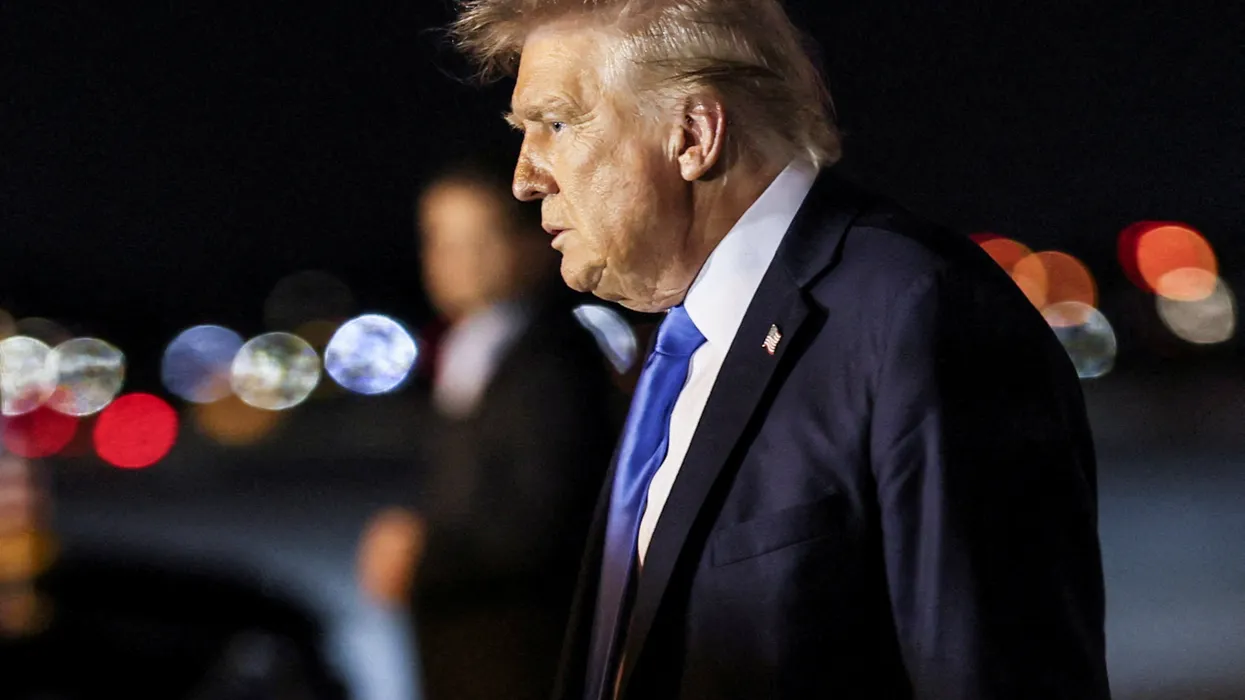
Press freedom advocates are raising alarms over what they describe as an escalating Trump administration crackdown on journalists, citing a tactic they say poses serious constitutional problems: the seizure of reporters' electronic devices at U.S. borders.
The tactic draws on the so-called "border search exception," a long-standing legal doctrine that permits federal agents to conduct warrantless searches at ports of entry. While courts have upheld this authority for physical items, its application to smartphones and laptops—devices capable of storing vast amounts of journalistic source material and confidential communications—has been the subject of intensifying litigation in recent years, with civil liberties groups arguing that the scale of digital data demands stronger Fourth Amendment protections.
According to reporting by The Guardian, President Donald Trump is increasingly going after journalists he perceives as adversarial, and advocates warn that more border patrol agents may attempt to confiscate their phones during routine inspections.
The concerns follow the Trump Department of Justice's decision to subpoena New York Times journalists who reported on security problems with his Qatari jet. The move marked a sharp departure from Justice Department guidelines adopted under the Obama administration in 2015, which required investigators to give reporters advance notice before seeking their records through legal proceedings—a safeguard the Trump administration has not indicated it will preserve.
The Blumenthal Case
The Guardian's reporting centered on reporter Max Blumenthal's ongoing legal battle with the Trump administration. Blumenthal told The Guardian that upon returning to the United States from Iran, he was flagged for secondary inspection by federal law enforcement officers.
During the inspection, agents questioned Blumenthal and attempted to seize his phone. "They asked to see his two phones," The Guardian reported. "He declined to give them the passwords. They seized the phones, but not his laptop or digital cameras."
Federal agents returned Blumenthal's phones approximately one week later — less than a full day after the American-Arab Anti-Discrimination Committee filed an emergency motion in district court demanding their return.
The U.S. federal government stated that it had been unable to access the contents of his phone. However, Blumenthal returned to court on Wednesday to compel the Trump administration to formally prove that claim. A federal judge gave the government 14 days to respond.
"Serious Constitutional Problems"
Seth Stern, chief of advocacy at the Freedom of the Press Foundation, told The Guardian that Blumenthal's treatment and the broader case raise serious constitutional concerns.
"The Trump administration is finding any excuse it can to target journalists it dislikes, and border searches are one more play in the playbook," Stern said.
The Guardian also noted that federal law enforcement previously seized the phones of activists involved in protests against an Atlanta police-training center, a pattern that advocates say reflects a widening use of border search authority against dissidents and reporters alike. U.S. Customs and Border Protection has reported a substantial increase in electronic device searches over the past decade, a trend that press freedom organizations argue amplifies the chilling effect on newsgathering when turned on working journalists.
Speaking at his Wednesday court hearing, Blumenthal warned that his case carries broader implications for the press corps. Other journalists, he said, "will face this kind of repression from an administration that isn't responsive to the rule of law."

