Body Language Expert Says Trump Showed Signs of 'Anger and Embarrassment' During Awards Ceremony
Key Takeaways
- •The Wall Street Journal reporters were honored for reporting tied to Jeffrey Epstein and his past connections to Trump.
- •Trump had previously sought to sue the Wall Street Journal over the article connected to the award-winning reporting.
- •Dr. John Paul Garrison said Trump’s expressions during the broadcast suggested discomfort, disapproval, anger and embarrassment.
- •Garrison’s analysis was based on visible reactions in the televised footage and did not represent a statement from Trump about his feelings.
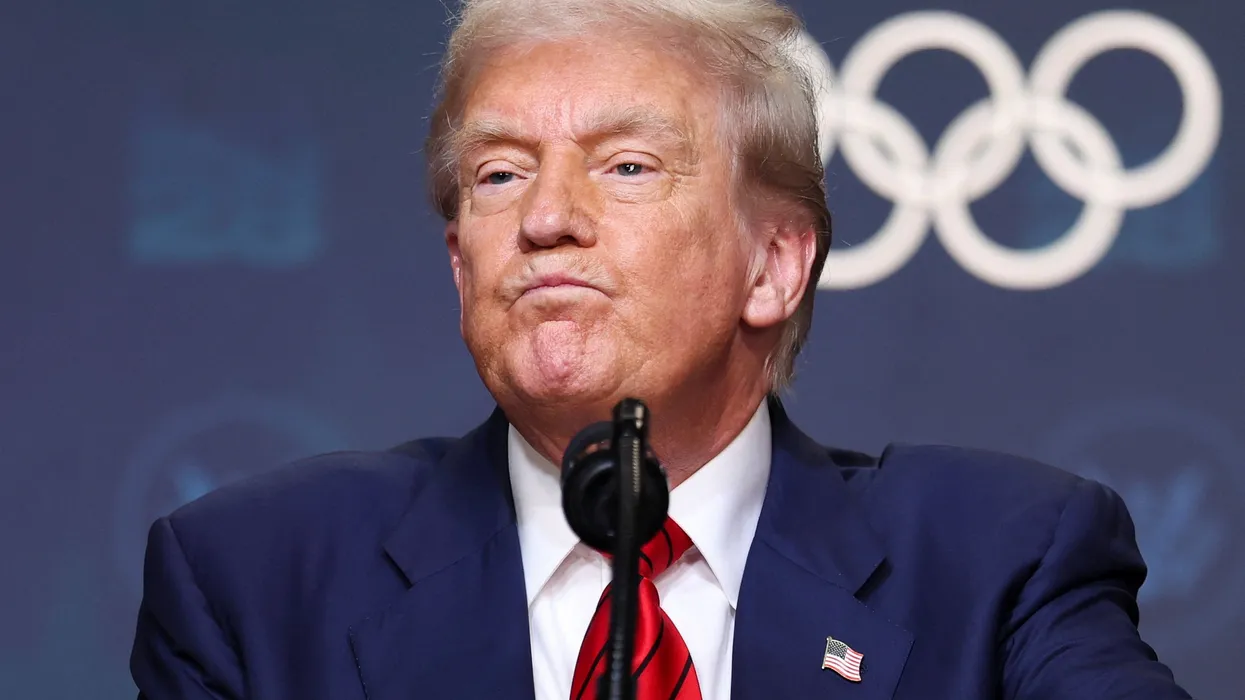
President Donald Trump's reactions during a recent awards ceremony drew scrutiny after a body language expert said the live television footage showed signs of "anger and embarrassment."
Trump attended Friday evening's White House Correspondents' Dinner, which had been rescheduled after an attempted shooting disrupted the earlier attempt to hold the annual event. During the dinner, CNN anchor Wolf Blitzer presented the Katharine Graham Award for Courage and Accountability to a team of Wall Street Journal reporters for their reporting related to the late sex offender Jeffrey Epstein and his past connections to Trump. The story included revelations about a sexually suggestive birthday note the president sent to Epstein.
Trump had previously sought to sue the Wall Street Journal, which is owned by major conservative backer Rupert Murdoch, over the article. That legal dispute gave the award presentation added context: the journalists being honored were connected to reporting that Trump had already challenged publicly and in court. His reactions during the award presentation led many observers to describe the moment as awkward and tense.
In a video shared Saturday, Dr. John Paul Garrison, a licensed clinical and forensic psychologist with expertise in body language, reviewed the segment moment by moment and identified what he described as signs of Trump's discomfort. The video was posted at https://www.youtube.com/watch?v=5okiWR77KSc. Garrison's analysis was an interpretation of Trump's visible reactions during the broadcast, not a statement from Trump about what he was feeling.
Near the beginning of the clip, as Blitzer introduced the award, Garrison pointed to what he called Trump's "classic look of disapproval," a facial expression he said he has noted in several previous examinations of the president's body language.
Soon afterward, while Blitzer discussed the "thousands of documents" included in the Epstein files, Trump appeared to look away briefly.
"It's because this is too intense. It's too anger-inducing," Garrison said. "He cannot continue to look at Wolf Blitzer because it's making him mad. So, he looks away to try to get support from someone else. So, right now he's turning to face [White House Press Secretary] Karoline Leavitt."
As Trump looked away, Garrison said the president displayed a "half smile" that appeared to show "contempt, because contempt is the only emotion that's only on one side of the face." Garrison suggested Trump may have been trying to mask that contempt with a smile, but said the expression remained visible. Trump then shifted, according to Garrison, into an expression of "fake confusion."
"Now he's trying to appear confused. He's feeling awkward," Garrison said. "He doesn't know how to react to something like this. So he's facing away. He's looking confused, although not really confused, but trying to feign confusion. So, at this point right here, this is everything he can do to disengage from what's going on right now because he absolutely does not want to have to sit and listen to this."
Garrison said Trump showed additional looks of disapproval as Blitzer continued speaking. When Blitzer's remarks turned to Trump's $20 billion lawsuit against the Wall Street Journal, Trump appeared to show a happier expression over something Garrison said he felt "pride" about. However, Garrison argued that "he's not actually feeling happy right now, but he's willing to show a fake smile to draw attention to himself."
When the Wall Street Journal reporters were brought to the stage, Garrison said Trump displayed signs of faux embarrassment and disbelief that seemed intended to communicate, "I can't believe this just happened to me." He said Trump then moved into an expression of "tension."
"What we saw was anger and embarrassment, but he tried to cover it by playing to the audience," Garrison concluded.

