Trump scrambling to keep 'on-point' Jack Smith evidence out of BBC defamation case: legal expert
Key Takeaways
- •President Trump is suing the BBC for defamation over a Panorama documentary that he claims edited his January 6 Ellipse speech to imply he directly incited the Capitol attack.
- •Trump's legal team is working in court to prevent the BBC from calling former special counsel Jack Smith, who led the Justice Department's yearslong January 6 investigation and issued a final report in January 2025.
- •Legal analyst Lisa Rubin said Smith has publicly indicated he holds strong evidence that Trump knew the violence was foreseeable, caused it nonetheless, and then leveraged it to try to prevent the vote that day.
- •Because U.S. defamation plaintiffs generally must establish that a statement was false, the BBC argues Smith's evidence is directly relevant to whether Trump's speech as a whole was false.
- •Trump's team invokes Federal Rule of Criminal Procedure 6(e) to argue grand jury material precludes Smith's testimony, but the rule carves out exceptions for judicial proceedings, leaving a judge to decide whether Smith takes the stand.
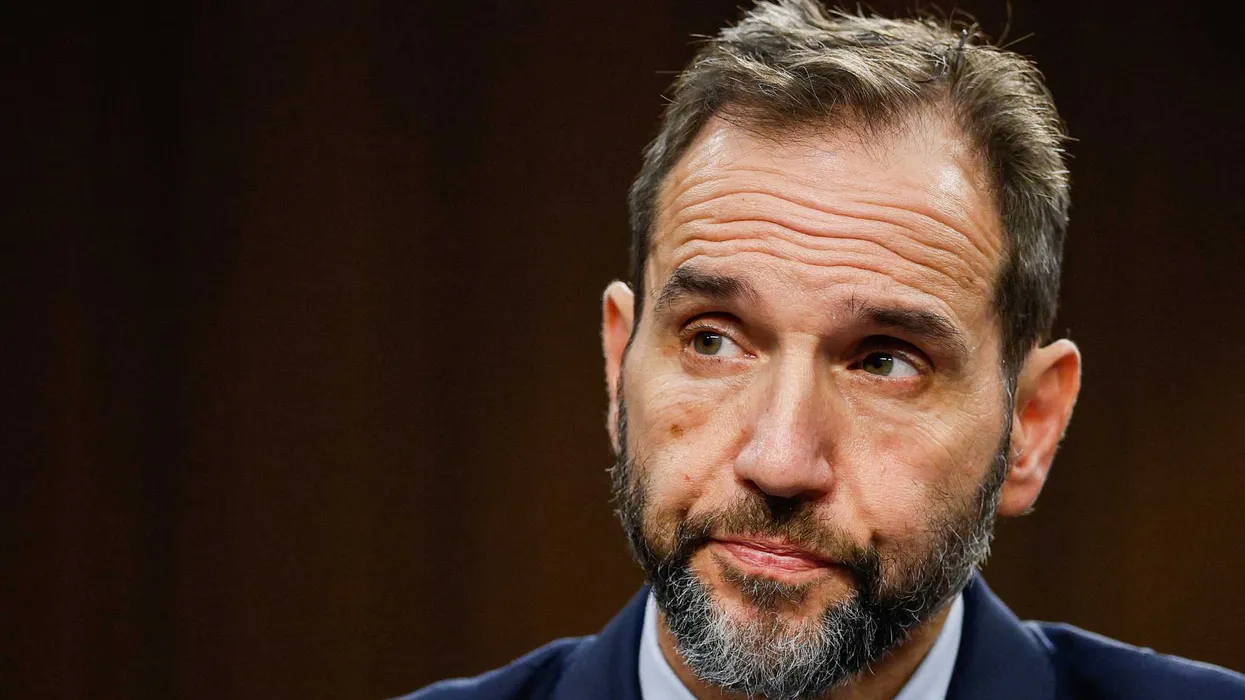
President Donald Trump and his legal team are working to block the BBC from calling a major surprise witness in his ongoing defamation lawsuit — and, as legal analyst Lisa Rubin told MS NOW, it is seemingly because of the "on-point" evidence that witness could share.
Late last year, Trump sued the BBC, alleging defamation after the network aired a documentary in its Panorama series ahead of the 2024 election that addressed the January 6 Capitol riot. According to the suit, footage of Trump's speech to supporters before the attack was selectively edited to make it appear as though he had directly urged his backers to storm the U.S. Capitol — an accusation the broadcaster has vigorously fought back against.
Trump and his team are now fighting in court to prevent the BBC from calling former special counsel Jack Smith to testify. Smith led the Justice Department's yearslong investigation into the January 6 attack, culminating in a final report issued in January 2025. Appearing on MS NOW on Tuesday, Rubin explained that Smith, as he has strongly implied in the past, might hold key evidence that could undermine the president's argument against the BBC — and, in the process, expose his connection to the Capitol riot.
Rubin laid out the situation when pressed by host Alicia Menendez.
"This lawsuit is sort of an unusual defamation case because what it's about is how the BBC edited together portions of the speech that Donald Trump gave at the Ellipse on January 6th," Rubin said. "And in particular, he's saying that the way that the BBC edited it gave the false impression that he directly called for violence. The BBC is saying, 'No, actually, even if the speech was edited together in a way that gave that impression, if the speech as a whole not only gave that impression, but was his intent, it was never false to begin with.'"
That, she noted, is where the evidence from Smith's extensive investigation of January 6 comes into play. In US defamation cases, a plaintiff generally has to establish that the statement at issue was false — which is why the dispute has centered not just on the edit itself, but on the content and intent of the speech as a whole.
"And the greatest expert on all of that is Jack Smith," Rubin continued. "Because even though we know what his report says, he's never disclosed the evidence on which it's based. But he has said publicly that he has strong evidence that Trump knew the violence was foreseeable, that he caused it nonetheless, and then he leveraged it to try and prevent the vote that day. And so if the core question is whether the speech was false, then Jack Smith's evidence, according to the BBC, is very on point and relevant to whether or not there was a false statement."\nTrump's team is attempting to argue that a legal rule precludes Smith from sharing information in court because it was developed in the context of a grand jury. Rubin noted, however, that another rule allows grand jury evidence to be discussed in other judicial proceedings. The secrecy rule in question, Federal Rule of Criminal Procedure 6(e), generally shields what happens before a federal grand jury but carves out exceptions for disclosure in connection with judicial proceedings — leaving a judge to decide whether the BBC gets to put Smith on the stand at all.

