Trump's Plan to Lift Beef Import Duties Draws Backlash From Ranchers and GOP Lawmakers
Key Takeaways
- •Trump said tariffs will be removed on 300,000 metric tons of imported beef for 90 days, with the relief ending after the midterm elections.
- •The plan reverses earlier tariffs, including a 50% levy on Brazilian beef, and an executive order is expected within two weeks.
- •Ranchers and several Republican lawmakers criticized the move, saying it would hurt U.S. cattle producers in key cattle-producing states.
- •The U.S. cattle herd has fallen to its smallest size since the early 1950s after drought and high feed costs forced herd reductions.
- •Industry insiders said they were not briefed in advance and questioned whether enough beef can be sourced to meaningfully lower prices.
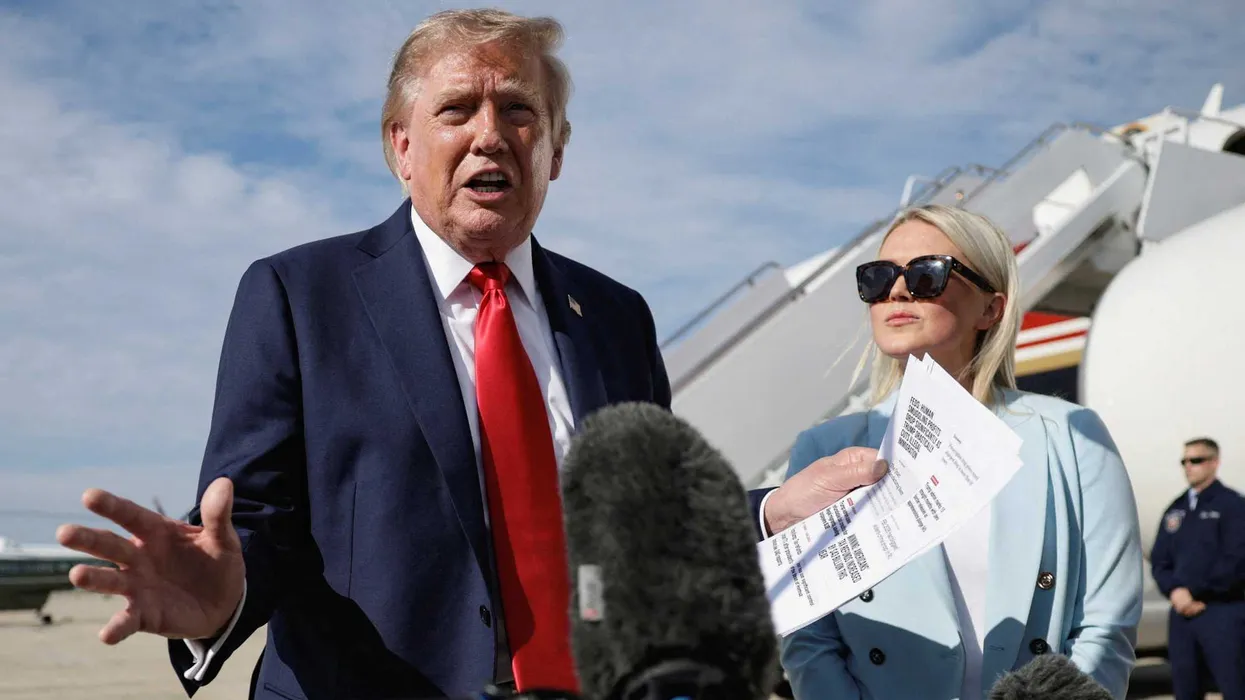
President Donald Trump's plan to bring down high beef prices ahead of the midterm elections has triggered a rare rebellion within his own party, drawing criticism from ranchers, Republican senators, and even his health-food allies.
Trump announced Friday that he will remove duties on 300,000 metric tons of imported beef — roughly 660 million pounds — claiming suppliers agreed to sell at a 25% discount that consumers will feel at checkout. The tariff relief lasts just 90 days, expiring right after November's midterm elections, and a formal executive order is expected within two weeks. It marks a reversal for an administration that had imposed steep tariffs on major beef-exporting nations, including a 50% levy on Brazil, one of the world's largest beef suppliers.
But according to Politico, many of Trump's supporters and sympathetic special interests are not happy with the plan.
United States Cattlemen's Association President Justin Tupper did not mince words: "You don't put America first by putting U.S. cattle producers last."
Sen. Deb Fischer (R-NE) called herself "extremely disappointed," while Sen. Tim Sheehy (R-MT) warned the move would hurt ranchers, "most of whom are MAGA Republicans." Rep. Thomas Massie (R-KY) went further, branding it a "slap in the face" to ranchers and consumers alike, and Sen. Pete Ricketts (R-NE) said the plan "compromises Nebraska farmers and ranchers." Nebraska and Montana rank among the nation's leading cattle-producing states, giving the criticism weight in the rural communities central to Trump's coalition as Republicans defend slim congressional majorities in November.
One anonymous agriculture industry insider offered a blunt diagnosis of Trump's strategy. "This is Donald Trump in purgatory," the industry representative said, describing the approach as trading long-term planning for a short-term fix that will not meaningfully lower prices.
The price pressure has been years in the making: drought and high feed costs pushed ranchers to cull herds, shrinking the U.S. cattle herd to its smallest size since the early 1950s. Rebuilding it is inherently slow, because ranchers must hold back breeding animals rather than slaughter them, which tightens beef supplies further before they recover.
Agriculture Secretary Brooke Rollins had spent months publicly opposing similar import plans, instead blaming Biden-era policies for the beef shortage driving up costs. Industry insiders say they were not briefed on Trump's announcement beforehand and remain unsure which countries could even supply that much beef, even though the U.S. already depends on imports of lean trimmings — largely from Australia, Brazil, Uruguay, and New Zealand — to produce ground beef.
Meanwhile, figures in the Make America Healthy Again (MAHA) movement, such as Alex Clark, blasted the move as anti-health messaging, pointing to the administration's own guidance urging Americans to eat more beef as a protein source.
With ground beef prices near $7 a pound, a tariff window that lapses after the midterms, and a multiyear herd contraction with no quick fix, Trump's gambit risks alienating ranchers without delivering the grocery-store savings voters are demanding.
